The Science Behind Logic Exercises: How They Improve Problem-Solving Abilities
The Power of Logic Exercises in Everyday Life
In today’s fast-paced world, problem-solving abilities are more important than ever. The capacity to analyze situations, devise solutions, and make informed decisions is crucial in both personal and professional environments. From navigating complex workplace challenges to making crucial choices in daily life, honing these skills is essential for success.
But how can one enhance these capabilities? Numerous studies suggest that engaging in logic exercises can serve as an effective training ground. These mental workouts not only entertain but also sharpen the mind, offering benefits that can be felt in various aspects of daily life. Let’s delve into how these exercises function:
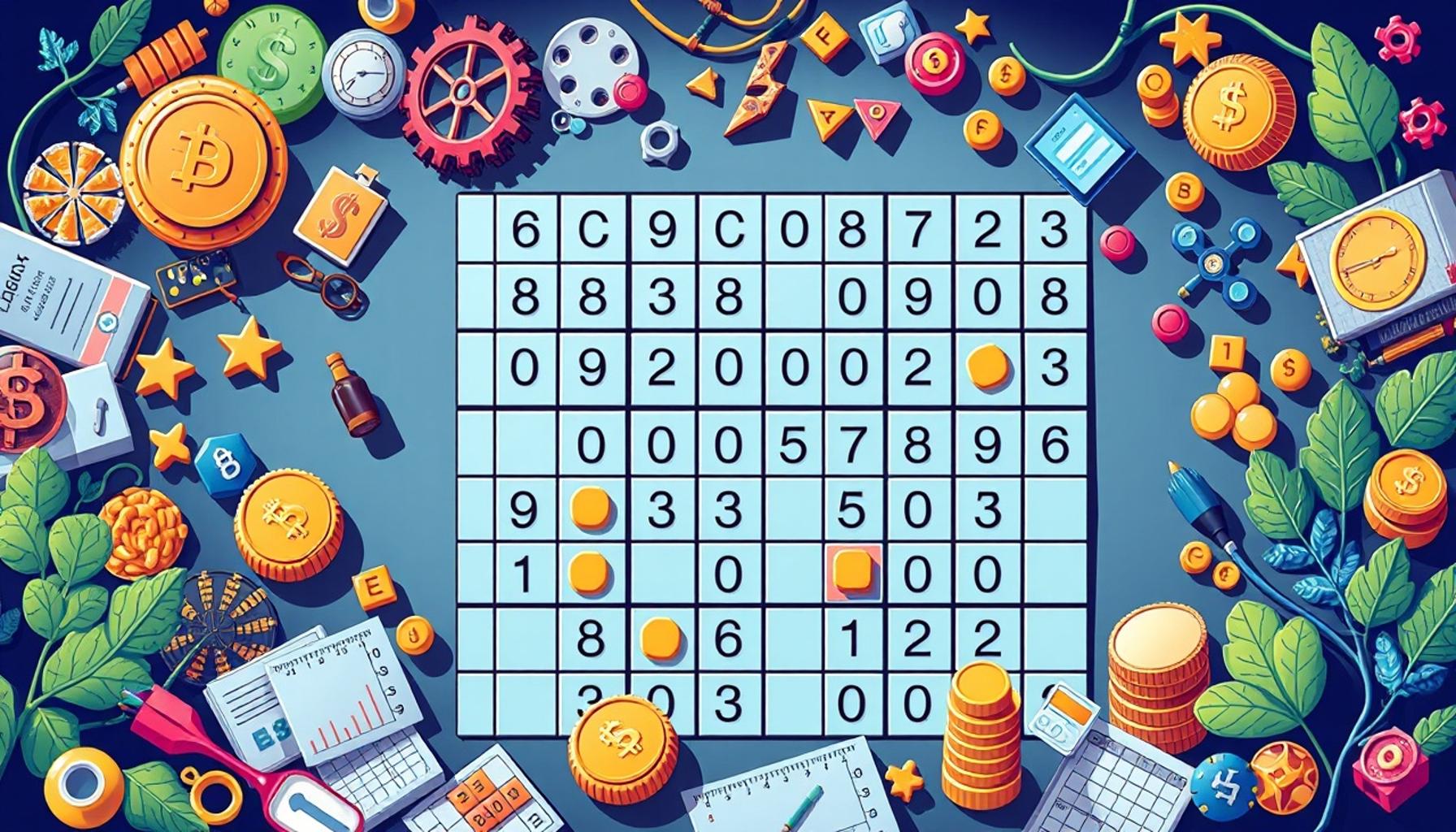
- Stimulating Mental Agility: Logic puzzles, like Sudoku and crosswords, can enhance cognitive flexibility. By regularly engaging in these activities, individuals become adept at adapting to new situations and fluctuating contexts, much like a gymnast mastering diverse routines.
- Building Critical Thinking: Logic exercises, such as logic grids and deduction puzzles, promote reasoning and analytical skills. For example, solving mysteries in story-based games requires players to think critically about clues, thus training their brains to assess and interpret information methodically.
- Enhancing Memory: Memory games and puzzles, like memory cards or digital apps that challenge recall abilities, strengthen mental retention. Engaging in these activities regularly can improve both short-term and long-term memory, which is vital when juggling numerous tasks at work or home.
Research indicates that regularly tackling these types of challenges can lead to lasting improvements in various cognitive functions. For instance, individuals who practice logic exercises consistently often report greater confidence in their problem-solving capacities. This confidence translates into the workplace, where leaders and team members can make quicker, more informed decisions.
As we dive deeper into the science behind these exercises, we uncover fascinating insights on how they engage our brains. Neuroplasticity, the brain’s ability to reorganize itself by forming new neural connections, is significantly enhanced through regular mental exercises. Engaging with logic exercises alters brain structures, promoting healthier cognitive development.
Furthermore, integrating logic exercises into our daily routines is more accessible than ever. Simple activities like setting aside time for puzzle-solving during lunch breaks or incorporating deduction games into family game night not only entertain but also stimulate the mind. Schools and organizations can also play a role by introducing logic games into their curricula or professional development programs, paving the way for a generation more equipped to tackle complex problems.
Overall, the benefits of engaging in logic exercises extend far beyond mere entertainment, making them a valuable tool in the quest for enhanced cognitive function and improved problem-solving abilities.
Understanding Cognitive Benefits Through Logic Exercises
Engaging in logic exercises is more than just a pass-time; it has profound implications for cognitive development. At the heart of this engagement lies the science of how various exercises stimulate brain functions critical for effective problem-solving abilities. Scientists have explored the relationship between brain activity during logic exercises and the skills necessary for addressing real-world issues, revealing some surprising findings.
One significant aspect of logic exercises is their potential to improve executive function, which encompasses a range of mental processes that include planning, attention, and problem-solving. Research published in the journal “Frontiers in Psychology” suggests that participating in logic puzzles can lead to enhanced activity in the prefrontal cortex, the area of the brain responsible for high-level thinking. A stronger prefrontal cortex not only enhances decision-making skills but also increases an individual’s ability to manage complex tasks.
Additionally, logic exercises facilitate enhanced reasoning skills. When individuals tackle challenges such as brain teasers or mathematical riddles, they often must identify patterns, analyze information, and evaluate alternatives. This process mimics real-life scenarios where quick and accurate reasoning is essential. For instance, a study by the American Psychological Association found that students who frequently engaged in logic exercises performed better in problem-solving tests compared to their peers who did not participate in such activities.
Here are some key cognitive benefits associated with regular engagement in logic exercises:
- Improved Analytical Skills: Regularly working on logic problems nurtures one’s ability to dissect complex information and extract solutions systematically.
- Enhanced Problem-Solving Speed: As individuals become accustomed to resolving various types of puzzles, they learn to approach problems more swiftly and strategically, crucial for quick decision-making in high-pressure environments.
- Increased Creativity: Logic exercises also foster creative thinking by encouraging individuals to devise multiple ways to approach a problem, leading to innovative solutions.
The impact of logic exercises on neuroplasticity further explains their power. Neuroplasticity is the brain’s remarkable ability to adapt to new experiences. Engaging regularly with logic puzzles signals the brain to develop and strengthen neural pathways. This neuroplastic reorganization equips the brain to better handle not only similar challenges but also entirely new situations.
Furthermore, as individuals progress in their abilities through these exercises, they often feel a greater sense of self-efficacy. This term refers to one’s belief in their capabilities to tackle challenges. As confidence grows, so does the likelihood of individuals applying more sophisticated problem-solving techniques in diverse areas of their lives, extending far beyond the realm of puzzles. Whether it is meeting project deadlines, resolving interpersonal conflicts, or making financial decisions, the skills honed through logic exercises become instrumental.
In conclusion, logic exercises play a pivotal role in nurturing key cognitive functions, making them indispensable in today’s fast-paced environment. By integrating these activities into daily routines, individuals can enhance their problem-solving abilities and adaptability, empowering them to face life’s challenges with greater ease and confidence.
| Category | Details |
|---|---|
| Cognitive Flexibility | Engaging in logic exercises enhances the brain’s ability to switch between concepts and adapt to new information. |
| Critical Thinking | These exercises promote a deeper understanding of problems, enabling individuals to analyze situations effectively. |
| Enhanced Memory | Regular practice improves working memory, which is crucial for retaining and manipulating information. |
| Problem-Solving Skills | Logic exercises encourage users to identify patterns and develop systematic approaches to finding solutions. |
Exploring further, the application of logic exercises can be observed in various fields, from education to corporate training. For instance, educators incorporate puzzles and brain teasers into curriculums, aiming to bolster students’ analytical capabilities while making learning engaging. Moreover, businesses leverage these exercises to assess the problem-solving abilities of candidates during hiring processes, recognizing the pivotal role of critical thinking in today’s fast-paced work environment.Research also supports the notion that engaging in strategic games, such as chess or Sudoku, not only fosters cognitive flexibility but also boosts confidence in making decisions and tackling challenges. The regular use of these exercises stimulates neural pathways, creating a robust framework for effective problem-solving that can significantly impact personal and professional growth. With the right exercises tailored to specific needs, anyone can enhance their capacity for critical thought, leading to improved outcomes in their everyday tasks.
Unlocking the Neurological Mechanisms
Understanding the neurological mechanisms behind how logic exercises enhance problem-solving abilities reveals fascinating insights into brain health and function. Research indicates that the brain, while engaged in challenging tasks, undergoes a series of complex chemical and electrical activities that strengthen the connections between neurons. These connections, often referred to as synapses, become more robust through repeated practice in logic exercises, which is essential for effective problem-solving.
According to a study by neuroscientists at the University of California, the regular practice of logic puzzles activates a specific neurotransmitter, dopamine. This chemical is known for its role in reward and pleasure systems, but it also facilitates learning and memory. As individuals solve logic problems and experience positive feedback from their successes, they release dopamine, making them eager to take on more challenges. This cycle encourages continuous engagement with problem-solving exercises, ultimately leading to a more agile mind.
Moreover, the theory of dual coding comes into play during these exercises. According to cognitive psychologist Allan Paivio, dual coding suggests that humans process information through both verbal and visual channels. Logic exercises often require the visualization of concepts or diagrams alongside verbal reasoning. As practitioners engage these two channels, they enhance their understanding and retention of information, making them more adept at solving various problems efficiently.
The Transfer Effect of Logic Exercises
One of the most remarkable benefits of logic exercises is their transfer effect. This concept explains how skills acquired through specific activities can be applied to different contexts. For instance, a study in the “Journal of Educational Psychology” demonstrated that students who regularly engaged in logic games showed significant improvements not only in mathematics but also in reading comprehension and scientific reasoning. The cognitive flexibility developed through logic exercises allows individuals to apply structured problem-solving frameworks across disciplines.
Critical thinking skills also flourish through regular engagement with logic puzzles. These exercises compel individuals to scrutinize assumptions, draw conclusions from limited information, and assess the validity of various arguments. Such skills are invaluable in today’s world, where critical thinking is essential for navigating challenges ranging from social issues to technological advancements. For instance, the skills acquired through logic exercises can aid in evaluating the credibility of news sources and making informed decisions in a rapidly changing information landscape.
Social Implications of Logic Exercises
Furthermore, the participatory nature of some logic exercises, such as board games or collaborative puzzles, introduces a social element that further solidifies cognitive growth. Engaging with peers stimulates debate and encourages diverse perspectives on problem-solving approaches. This collaborative interaction not only enhances reasoning but also fosters empathy and social skills—critical components necessary for managing personal and professional relationships.
Even in educational settings, the integration of logic exercises has proven to yield remarkable improvements in student engagement and performance. Teachers who incorporate logic-based games in their curricula report higher student motivation and increased retention of material, further underscoring the idea that learning through play is integral to developing resilient problem-solving skills.
In essence, the science behind logic exercises extends beyond mere mental gymnastics; it encapsulates a comprehensive approach to enhancing cognitive resilience. By diligently engaging in these activities, individuals lay the groundwork for a sharper, more adaptable mind, capable of tackling obstacles with innovation and clarity.
Conclusion: Cultivating Cognitive Agility through Logic Exercises
In conclusion, the exploration of logic exercises reveals their profound impact on our cognitive abilities and underscores their importance in modern-day problem-solving. Engaging with these exercises not only enhances our neurological pathways through dopamine release and strengthened synapses but also stimulates a dual coding approach that bridges verbal and visual reasoning. These mechanisms are essential for effective learning and mastery of complex subjects.
The transfer effect of skills acquired through logic games empowers individuals to adapt their problem-solving techniques across diverse disciplines, proving beneficial not just in academic settings but also in everyday decisions and critical thinking scenarios. Furthermore, the incorporation of social elements in logic exercises fosters collaboration and empathy, which are vital components of personal and professional success. As we cultivate an environment that encourages logical thinking, we also nurture a generation equipped with the cognitive resilience necessary to tackle emerging challenges across various fields.
As the evidence mounts on the positive effects of logic exercises, it becomes clear that these activities are more than just puzzles; they are an investment in our mental agility. For those seeking to sharpen their minds and navigate the complexities of the world more effectively, integrating logic exercises into daily routines is a promising strategy. By doing so, we not only enrich our individual experiences but also contribute to a society that values thoughtful discourse and informed decision-making. So, embrace the power of logic exercises, and discover how they can transform the way you approach problems today.

Beatriz
Beatriz Johnson is a seasoned puzzle enthusiast and writer with a passion for unraveling the complexities of mind games and brain teasers. With over a decade of experience in the world of puzzles, she specializes in topics like logic games, riddles, and strategic challenges. Through her work, Beatriz empowers readers to sharpen their problem-solving skills, think creatively, and stay engaged in the ever-evolving landscape of mind games and puzzles.