Menu

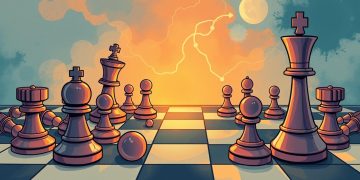
Exploring the Connection Between Chess and Cognitive Flexibility

Chess serves as a powerful tool for enhancing cognitive flexibility, fostering skills in problem-solving, decision-making, and adaptability. Engaging with chess stimulates brain regions linked to executive functioning and offers valuable real-world applications in education and the workplace, promoting resilience and strategic thinking crucial for personal and professional growth.

The Role of Strategy Games in Developing Critical Thinking Skills

Strategy games are powerful tools for developing critical thinking skills. They enhance problem-solving, decision-making, and adaptability through immersive gameplay. By fostering teamwork and strategic planning, these games prepare players for real-life challenges, making them essential in educational settings to cultivate analytical reasoning and cognitive growth.

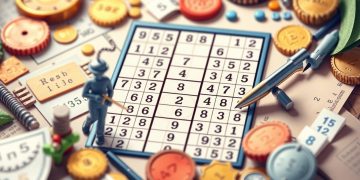
The Impact of Sudoku on Problem-Solving Abilities

Sudoku enhances problem-solving abilities by fostering logical reasoning, pattern recognition, and strategic planning. Engaging with this popular puzzle sharpens critical thinking, improves memory, and boosts concentration, making it a valuable tool for personal development and cognitive wellness. Its accessibility further inspires players to continuously enhance their skills.

Boosting Attention Span with Brain Teasers

In today's distraction-filled world, enhancing attention span has become essential. Engaging with brain teasers offers an enjoyable way to improve focus, cognitive flexibility, and memory. By incorporating puzzles into daily routines, individuals can cultivate sharper minds, better equipped to tackle everyday challenges and boost overall mental agility.

Enhancing Memory through Crossword Puzzles

Crossword puzzles are an enjoyable way to enhance memory and cognitive function. By improving vocabulary, problem-solving skills, and focus, they actively engage the brain. Additionally, collaborating on puzzles fosters social interaction, which further boosts memory retention, making them a valuable tool for lifelong mental agility.

How Puzzle Games Stimulate Creativity and Critical Thinking in Young People

Puzzle games engage young minds, enhancing creativity and critical thinking through enjoyable challenges. As players tackle complex problems, they develop essential cognitive skills, foster teamwork, and inspire curiosity. These interactive experiences not only entertain but also prepare young people for academic and real-world challenges, nurturing innovative thinkers for the future.

The Relationship between Card Games and the Improvement of Mathematical Skills in Children

This article explores how card games effectively enhance children's mathematical skills through engaging gameplay. By fostering strategic thinking, numeracy, and social interaction, these games provide a fun environment for learning essential math concepts, ultimately bridging the gap between play and cognitive development in mathematics.

The Influence of Riddles and Puzzles on the Improvement of Critical Thinking in Adults

Riddles and puzzles are powerful tools for enhancing critical thinking in adults. They encourage analytical skills, problem-solving abilities, and creativity while promoting collaboration and emotional resilience. Engaging with these activities not only sharpens cognitive faculties but also prepares individuals for real-world challenges, making them vital for lifelong learning and adaptability.

Strategy Games and Their Role in Increasing Attention and Concentration in Teenagers

Strategy games enhance attention and concentration in teenagers by promoting critical thinking, problem-solving, and resource management. Their engaging nature fosters cognitive skills and social interaction, making them valuable tools in education and personal development. Embracing these games can lead to improved focus and academic performance among adolescents.

Developing Logical Reasoning Skills Through Strategy Games

Strategy games are powerful tools for developing logical reasoning skills, enhancing critical thinking, decision-making, and adaptability. Through engaging gameplay, players learn to solve complex problems, manage resources, and navigate emotional challenges. These experiences translate into meaningful cognitive benefits, making strategy games essential for personal and professional growth.