The Benefits of Logic Exercises for Children: Building a Strong Foundation for Future Learning

The Importance of Logic Exercises
In an increasingly complex world, the ability to think critically and solve problems is more essential than ever. For children, logic exercises provide an engaging way to develop these skills from a young age. By incorporating these activities into their daily routine, parents and educators can lay a foundation for lifelong learning.
Why Logic Exercises Matter
Logic exercises challenge children to think deeply, enhancing their cognitive abilities. Some key benefits include:
- Improved Critical Thinking: Children learn to analyze situations and make informed decisions. For example, when working through a logic puzzle, a child must assess various possibilities and outcomes, honing their ability to evaluate information critically. This skill is invaluable in academic settings where analysis and evaluation of data are required.
- Enhanced Problem-Solving Skills: Engaging with puzzles and riddles teaches persistence and creativity. When faced with challenging math problems or science experiments, children who practice logic exercises are more likely to think outside the box and approach problems from different angles, leading to innovative solutions.
- Better Academic Performance: A solid grasp of logic correlates with improved results in math and science subjects. Research has shown that students who engage regularly in logic-related activities often outperform their peers in standardized testing, particularly in areas that require mathematical reasoning and analytical skills.
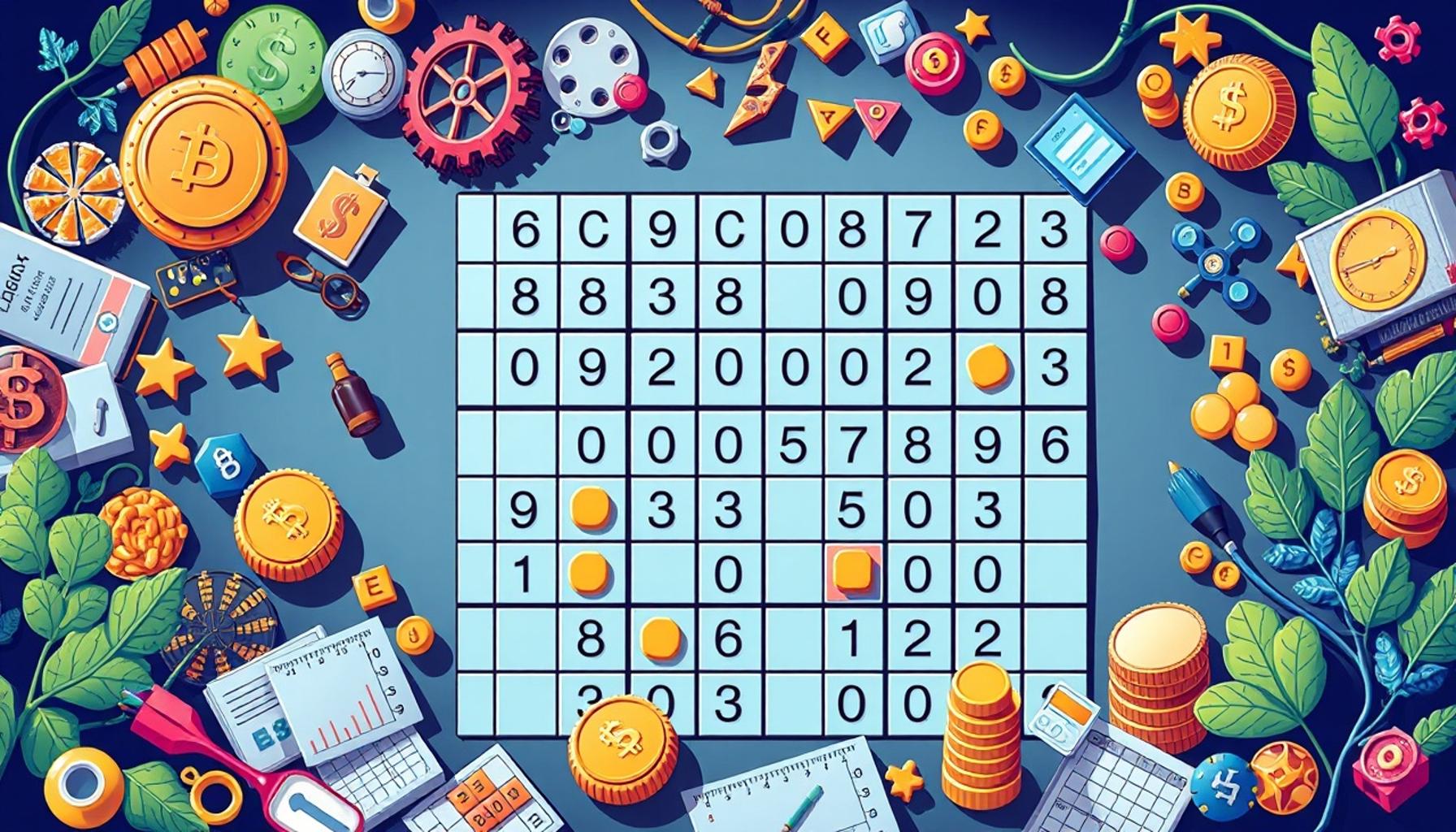
Moreover, these exercises can also be enjoyed in various formats, catering to different learning preferences. From mathematical games, such as Sudoku and crosswords, to verbal puzzles and interactive apps that offer engaging challenges, the options are plentiful. For instance, online platforms frequently provide educational games that adapt to a child’s skill level, making it easier to keep them engaged while learning. With so many avenues available, parents have the power to make learning an exciting journey.
Setting the Stage for Future Success
Introducing logic exercises early fosters a mindset geared toward exploration and understanding. Children equipped with strong logical skills are not only prepared for academic challenges but also for real-world situations. As they learn to think critically, they develop a toolkit for navigating the future. For example, the ability to assess risks and benefits is crucial for decision-making in everyday life, whether it involves financial literacy, personal relationships, or career choices.
In conclusion, logic exercises play an integral role in developing essential life skills in children. By investing time in these activities, parents and educators can help nurture a generation of critical thinkers who are well-prepared to thrive in an ever-changing world. The early investment in developing logical reasoning can lead to confident, articulate individuals capable of tackling both academic challenges and real-world problems with agility and insight.
The Role of Logic Exercises in Cognitive Development
Logic exercises serve as an engaging platform for children to cultivate their cognitive skills. Beyond mere recreation, these activities stimulate different aspects of brain development that are crucial for a child’s overall growth. Understanding the impact of engaging with logic-based tasks can illuminate why they should be a staple in childhood education.
Cognitive Skills Enhanced by Logic Exercises
One of the most significant advantages of logic exercises is their ability to enhance cognitive skills. Children exposed to these challenges develop critical reasoning and analytical skills that extend well beyond the classroom. Here are some areas where they see notable improvement:
- Memory Enhancement: Many logic puzzles require children to remember certain clues while they think through various possibilities. This practice not only boosts short-term memory but strengthens long-term memory capabilities as well.
- Attention to Detail: Solving puzzles often hinges on a child’s ability to notice subtle details that others might overlook. This critical attention to detail is applicable in various real-world contexts, from school assignments to personal interactions.
- Logical Thinking Patterns: Logic exercises encourage children to develop structured thought processes. This can be invaluable for tasks such as writing essays or conducting experiments in science classes, where logical sequences are paramount.
The relationship between logic exercises and cognitive enhancement is supported by various studies highlighting that early engagement with structured thought processes can lead to improved outcomes in academic performance. For instance, children who regularly participate in logic games tend to demonstrate superior mathematical reasoning skills, as they become adept at identifying patterns and making connections between concepts.
The Social Benefits of Logic Games
In addition to cognitive advancements, logic exercises can foster important social skills among children. When children engage in group-based logic games or puzzles, they learn to collaborate, communicate, and resolve conflicts amicably. These interactions are essential for building a strong foundation of teamwork. A few facets of social development include:
- Teamwork and Collaboration: Working together on logic puzzles encourages children to share ideas, strategize, and collectively arrive at solutions, preparing them for future professional environments.
- Effective Communication: As children explain their thinking or reasoning to peers, they articulate their thoughts clearly, enhancing their verbal skills and boosting their confidence in public speaking.
- Conflict Resolution: Engaging in group logic exercises teaches children how to negotiate, compromise, and respect differing viewpoints, which are crucial life skills in both personal and professional settings.
The interplay between cognitive and social skills gained from logic exercises underscores their multifaceted benefits. As children dive into the world of puzzles, riddles, and strategy games, they are not simply having fun; they are actively building the essential skills that will support their growth in complex academic arenas and interpersonal relationships in the future.
The Benefits of Logic Exercises for Children: Building a Strong Foundation for Future Learning
Logic exercises provide a gateway for children to enhance their cognitive abilities. These exercises are not merely games; they foster critical thinking, problem-solving skills, and improve overall cognitive development. Engaging in logic-oriented activities is essential for cultivating a child’s aptitude for learning. Children exposed to logic exercises often display better academic performance, as they tend to grasp complex concepts more easily.Another significant aspect is that logic exercises encourage creativity. When children engage in puzzles or challenging scenarios, they learn to think outside the box and approach problems from different angles. This versatility is invaluable as they encounter various subjects in school, from mathematics to language arts, requiring diverse methods of thinking.Moreover, logic exercises can also enhance emotional intelligence and resilience in children. By facing challenges in a safe environment, youngsters learn about persistence and the value of effort. They develop coping strategies when solutions do not come quickly, which can bolster their confidence when tackling future obstacles.Additionally, engaging in logic exercises can strengthen social skills. Group activities involving logic games encourage collaboration, communication, and teamwork. Children learn to negotiate, share ideas, and respect different perspectives, essential skills for their interactions both in and out of academic settings.Furthermore, regular practice of logic exercises has specific long-term benefits, such as promoting a growth mindset. Children who become accustomed to solving logical problems can apply these skills to their personal projects and aspirations later in life. The earlier they start cultivating these skills, the more proficient they become, establishing a solid foundation for future learning.In summary, logic exercises extend their reach beyond mere academics. They facilitate a well-rounded approach to cognitive, emotional, and social development, laying the groundwork for children to thrive in their educational pursuits and beyond.
| Benefits of Logic Exercises | Key Features |
|---|---|
| Cognitive Development | Enhances critical thinking and problem-solving skills. |
| Creativity Boost | Encourages thinking outside the box in various situations. |
| Emotional Resilience | Fosters persistence and coping strategies when facing challenges. |
| Social Skills Enhancement | Promotes collaboration and negotiation through group activities. |
| Long-term Growth Mindset | Establishes a foundation for future learning and personal aspirations. |
Fostering Emotional Intelligence Through Logic Exercises
Beyond cognitive and social benefits, logic exercises also play a pivotal role in nurturing a child’s emotional intelligence. Emotional intelligence encompasses the ability to understand one’s own emotions, empathize with others, and manage interpersonal relationships judiciously and empathetically. Engaging in logic games encourages children to navigate their feelings while simultaneously interacting with others, thus shaping their emotional landscape.
Building Persistence and Resilience
Logic exercises often present challenges that require significant effort to overcome. When children are faced with a difficult puzzle or game, they learn crucial lessons in persistence and resilience. These attributes form the backbone of a growth mindset, where children understand that failure is not an endpoint but rather a stepping stone towards success. For example, a child may struggle with a complex math riddle only to gradually demystify it through rigorous practice. This whole process teaches them that, with patience and perseverance, they can conquer hurdles.
- Failing to Solve: When a child fails to reach a solution, logic exercises prompt them to analyze what went wrong, allowing for emotional regulation and the development of coping strategies.
- Encouragement of Self-Reflection: After each logic task, children can reflect on their approach, enhancing self-awareness and insight into their emotional responses to challenges.
Empathy Through Collaborative Logic Tasks
Group-based logic exercises not only bolster cognitive and communication skills, but they also cultivate empathy among participants. Through collaborative problem-solving, children are prompted to consider the perspectives and feelings of their peers while working toward a common goal. This experience enhances their ability to connect emotionally with others, making them more attuned to varying viewpoints. Key elements include:
- Perspective-Taking: As children discuss strategies and solutions, they learn to appreciate diverse viewpoints, recognizing that there may be multiple ways to achieve a goal.
- Encouraging Others: Playing logic games together fosters an environment where children learn to encourage and support one another, reinforcing vital emotional bonds.
Practical Applications in Everyday Life
The skills developed through logic exercises are not confined to the classroom; they translate seamlessly into everyday experiences. For instance, the ability to think logically enhances safety awareness as children assess situations critically, from crossing the street to making smart choices in recreational activities. Moreover, a child’s emotional intelligence can aid in navigating friendships, where understanding and valuing the feelings of peers are essential for healthy relationships.
Furthermore, various educational institutions across the United States are integrating logic puzzles and games into their curricula. The goal is to create more engaging learning environments that encompass emotional intelligence alongside traditional academic subjects. Programs focusing on logic exercises are increasingly seen as vital components in fostering well-rounded learners who are prepared to tackle the complexities of modern life.
In essence, logic exercises serve as a multifaceted tool that enhances cognitive abilities while embedding vital emotional competencies. By embracing challenges and collaborating with peers, children sculpt their emotional intelligence, laying the groundwork for future success in all areas of life.
Conclusion: The Lasting Impact of Logic Exercises on Children’s Development
In conclusion, logic exercises emerge as a transformative tool in a child’s developmental journey, offering a plethora of benefits that extend far beyond mere academic enhancement. By engaging in activities that challenge their thinking, children experience significant growth in critical areas including problem-solving skills, emotional intelligence, and the cultivation of resilience. The demanding nature of logic puzzles teaches them to embrace challenges, fostering a mindset that sees failures as opportunities for learning rather than setbacks.
The collaborative aspect of logic exercises also enhances empathy and the ability to appreciate diverse perspectives, forging stronger relationships among peers. This nurturing environment plays a pivotal role in shaping children not only as learners but also as compassionate individuals who can navigate social interactions with understanding. Moreover, as these skills are seamlessly integrated into their everyday lives, children develop a keen sense of judgment and decision-making that prepares them for real-world scenarios.
As educational institutions across the United States increasingly recognize the importance of these skills, they are incorporating logic games into their curricula, highlighting the need for a comprehensive approach to education that values emotional and intellectual development equally. Ultimately, by investing time and resources into logic exercises, we are laying a solid foundation for our children, equipping them with the tools necessary for success in a complex and ever-changing world.

Beatriz
Beatriz Johnson is a seasoned puzzle enthusiast and writer with a passion for unraveling the complexities of mind games and brain teasers. With over a decade of experience in the world of puzzles, she specializes in topics like logic games, riddles, and strategic challenges. Through her work, Beatriz empowers readers to sharpen their problem-solving skills, think creatively, and stay engaged in the ever-evolving landscape of mind games and puzzles.