How Puzzles and Board Games Can Enhance Problem-Solving Skills in Adults

Unlocking Potential Through Play
In an era where problem-solving skills are more essential than ever, engaging in puzzles and board games can offer surprising benefits for adults. These activities not only entertain but also sharpen critical thinking and decision-making abilities. With a growing body of research supporting their advantages, let’s explore how they can enhance our cognitive capabilities.
The Benefits of Puzzles and Board Games
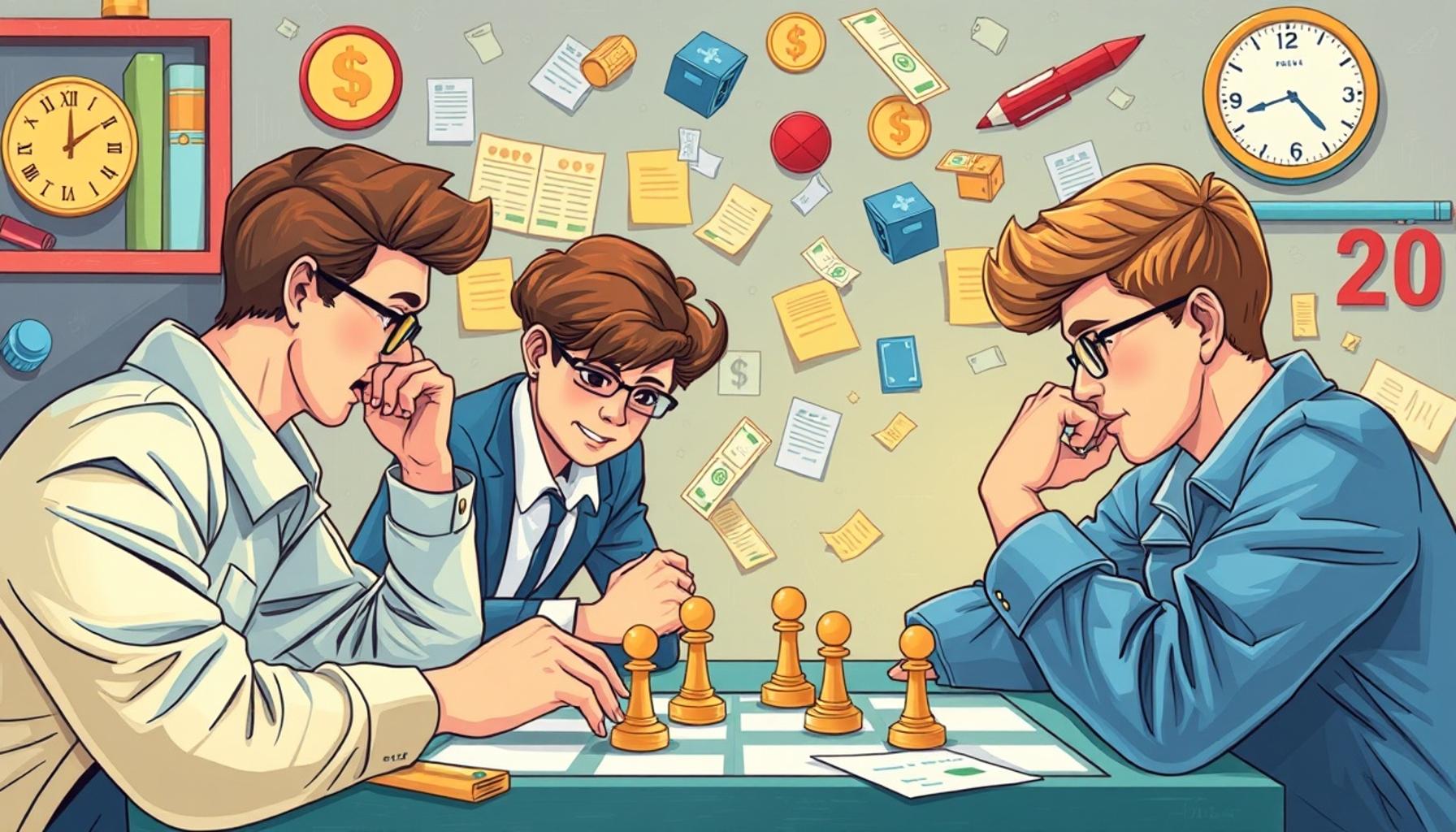
- Critical Thinking: Many puzzles and board games require players to analyze situations and strategize their moves. For instance, games like chess necessitate foresight and tactical planning, pushing players to consider their opponent’s potential actions and preparing counter-strategies. Similarly, solving complex puzzles such as crosswords or Sudoku requires logical reasoning and pattern recognition, which are invaluable skills in both personal and professional settings.
- Collaboration: Multiplayer games foster teamwork and communication, essential for effective problem-solving. Classic board games like Settlers of Catan or modern cooperative games such as Pandemic highlight the importance of working together. Players must share resources, develop strategies cooperatively, and effectively communicate their ideas, helping to build a sense of community and enhancing interpersonal skills.
- Persistence: Working through challenging puzzles cultivates resilience and patience. Engaging with difficult challenges, whether it’s a complex jigsaw puzzle or an escape room scenario, teaches players that failure can be a stepping stone to success. This mindset is crucial in today’s fast-paced world, where adaptability and perseverance are key to overcoming obstacles.
Statistics show that approximately 47% of adults in the U.S. play board games regularly, providing ample opportunity to develop these important skills. Furthermore, many puzzles stimulate both sides of the brain. For instance, engaging in strategy games requires analytical thinking and creativity, which can lead to improved overall cognitive function. A study found that adults who regularly played games demonstrated higher levels of mental agility and a more robust ability to solve problems creatively.
As we delve deeper into the realm of puzzles and board games, it’s essential to consider how these activities can be integrated into daily routines. Setting aside time for a weekly game night with friends or family can be a fun way to unwind while also fostering mental sharpness. Additionally, participating in local board game cafes or puzzle competitions can cultivate a sense of camaraderie and enrich social interactions in one’s community.
Ultimately, the world of puzzles and board games is a treasure trove of opportunities for growth and development. By embracing these activities, individuals can not only enhance their problem-solving skills but also enjoy the myriad social and cognitive benefits that come with play.
Enhancing Cognitive Engagement
Puzzles and board games serve as more than just recreational pastimes; they are powerful tools for enhancing problem-solving skills in adults. Through strategic thinking, collaboration, and persistence required in these activities, players develop cognitive abilities that are transferable to real-world situations. As interest in lifelong learning increases, particularly in a rapidly changing workplace, embracing these engaging platforms for skill enhancement has never been more relevant.
Strengthening Analytical Skills
One of the most compelling facets of puzzles and board games is their ability to bolster analytical skills. Take Monopoly, for instance. This classic game not only demands players to make critical financial decisions but also requires them to think two steps ahead regarding property trades, mortgage options, and resource management. The multifaceted nature of decision-making in Monopoly cultivates an environment where players must evaluate risks, anticipate competitors’ moves, and navigate financial challenges. This practice sharpens analytical capabilities, as each decision involves potential rewards and consequences.
Engagement with brain teasers and logic puzzles further complements the development of critical thinking. For instance, sudoku puzzles challenge players to dissect numbers and reason through a systematic approach to fill in the grids correctly. This type of engagement enhances cognitive flexibility and promotes better problem-solving strategies that are applicable in various life scenarios. By regularly challenging their minds through these activities, individuals can reinforce their ability to analyze information in complex environments.
Engaging in Strategic Thinking
- Long-Term Planning: Games like Risk or Ticket to Ride encourage long-term strategizing. Players must formulate comprehensive plans while adapting to evolving scenarios. For example, in Risk, a player not only has to decide where to position their armies but must also consider alliances and threats posed by other players. This engagement in strategic foresight and adaptability mirrors real-life problem-solving in business environments, where the ability to foresee and plan for uncertainties is invaluable.
- Decision-Making Under Pressure: Many board games present time constraints or scenarios with significant stakes, putting players in high-pressure situations where quick thinking is crucial. Games like Coup test players’ abilities to make swift decisions that can dramatically impact their success within the game. This experience can enhance an individual’s capacity to think clearly and strategically under pressure, a skill that is often required in demanding workplace situations.
Research supports the positive impact of puzzle and board game participation on cognitive enhancement. A study conducted by the University of Pittsburgh found that older adults who engaged in regular board game activities showed a noticeable decline in cognitive impairment compared to non-participants. This research suggests that making room for games and puzzles not only provides immediate enjoyment but also contributes significantly to long-term cognitive health. For adults concerned about cognitive decline, integrating fun activities into daily routines is a proactive approach to enhancing overall brain health.
As remote work becomes more prevalent, many adults are searching for flexible yet stimulating ways to connect with others. Organizing virtual game nights using platforms that facilitate online board games has emerged as a creative solution. These virtual gatherings foster a sense of community and collaboration, promoting team-building skills that are essential in today’s dynamic work environment. With the myriad of benefits tied to engaging in puzzles and board games, it becomes evident that these activities can serve as powerful catalysts for both personal and professional growth.
| Category | Benefits |
|---|---|
| Cognitive Skills | Engaging with puzzles and board games stimulates critical thinking and analytical capabilities. |
| Social Interaction | These activities promote teamwork and communication, enhancing interpersonal skills in social settings. |
| Stress Relief | Playing games provides a fun escape, which can help alleviate stress and improve overall mental well-being. |
| Goal Setting | Players develop the ability to set and achieve goals, a key element in problem-solving frameworks. |
Puzzles and board games serve not just as entertainment but as powerful tools for enhancing problem-solving skills in adults. These activities challenge participants to think strategically, assess situations, and consider multiple perspectives. Many adults find that after regularly engaging in such games, their ability to approach problems creatively and logically improves significantly. The act of solving a puzzle or strategizing in a game can translate into real-world scenarios, enabling adults to tackle everyday challenges with renewed vigor and adaptability. Thus, the incorporation of puzzles and board games into one’s social and recreational activities not only enriches leisure time but also enhances critical cognitive functions and interpersonal dynamics. Engaging with others in this manner fosters a community of problem solvers, ready to tackle life’s unexpected challenges.
Fostering Collaborative Problem Solving
Another significant aspect of puzzles and board games is their capacity to promote collaborative problem-solving among adults. In an age where teamwork is hailed as the key to innovation and success in the workplace, engaging in games that require cooperation can serve as a microcosm for real-world interactions. Games such as Pandemic demand that participants work together to curb the spread of diseases while sharing resources and devising strategies as a cohesive unit. This collaborative effort emulates the need for effective communication and teamwork found in corporate settings, reinforcing how teamwork can yield optimal solutions to complex problems.
Building Communication Skills
Effective communication is paramount in both board games and professional environments. Playing games that necessitate negotiation, like Settlers of Catan, promotes a degree of social negotiation among players. In this setting, individuals must express their desires clearly while articulating the benefits of potential trade-offs. Such interactions can directly translate to workplace collaborations, where articulating ideas and perspectives is essential for driving projects forward. A study published in the Journal of Applied Psychology posits that engaging in cooperative activities enhances not only verbal communication but also interpersonal skills, a critical component in any business successfully navigating team dynamics.
Encouraging Creative Thinking
In addition to traditional problem-solving approaches, puzzles and board games also encourage creative thinking. Games like Dixit endeavor players to think outside the box while interpreting visuals and assigning meanings, fostering imaginative solutions to challenges presented in the game. This creative engagement not only enhances the ability to devise unorthodox strategies but also nurtures a flexible mindset that is invaluable in today’s fast-paced work environments. When adults learn to consider multiple perspectives and innovate solutions, they simultaneously expand their toolkit for addressing unforeseen challenges.
Enhancing Resilience and Persistence
Another often-overlooked benefit of participating in puzzles and board games is the development of resilience and persistence when confronted with setbacks. In games where players face unexpected challenges—whether through strategic losses or sudden turnarounds—individuals learn to cope with failures and adapt their approaches. Engaging with games like Pandemic Legacy not only involves tactical withdrawals and a reassessment of strategies but also emphasizes the importance of bouncing back and trying again. This ability to recover from failure and continually refine one’s approach is a crucial skill for navigating workplace challenges where solutions are not always straightforward.
- Adaptation to Team-Specific Roles: Team-based board games often require players to adapt to different roles based on individual strengths, fostering an understanding of how flexibility within team structures can facilitate more effective problem-solving. For instance, one player may need to focus on logistics while another takes charge of strategic planning, mirroring workplaces that rely on specialized skills.
- Learning Through Gameplay: Participating in games with varied mechanics educates adults about different problem-solving methods. Board games like Chess emphasize foresight and positioning, while others like Forbidden Island focus on resource management and crisis management, thereby diversifying one’s problem-solving repertoire.
Incorporating puzzles and board games into regular social and recreational routines enhances not just enjoyment but also a range of cognitive and interpersonal skills. Understanding these benefits allows adults to leverage these engaging methods to bolster their competencies in navigating both personal challenges and professional obstacles.
Conclusion: Unlocking Potential Through Play
In a world increasingly driven by rapid changes and complex challenges, puzzles and board games emerge as powerful tools for enhancing problem-solving skills in adults. By engaging in activities that foster collaborative problem-solving, build communication skills, and encourage creative thinking, individuals not only enjoy meaningful leisure experiences but also prepare themselves for the intricacies of modern life and workplace dynamics.
The importance of resilience and persistence developed through these games cannot be overstated, as they serve as practical lessons in handling setbacks and failures, skills essential in both personal and professional domains. Each game presents unique challenges that require strategic thinking and adaptability, thereby promoting a diverse repertoire of problem-solving techniques.
As adults continue to integrate puzzles and board games into their lives, they tap into a rich resource of development that goes well beyond mere entertainment. The collaborative nature of these activities opens avenues for learning and growth, essential in a team-oriented business climate. With the rising popularity of such games across the United States, it becomes increasingly clear that investing time in playful learning can yield profound benefits.
Ultimately, embracing puzzles and board games as tools for growth is a testament to the idea that play isn’t just for kids—it’s a valuable avenue for adulthood where skills can be sharpened, friendships built, and innovative solutions discovered. So why not roll the dice and explore this entertaining world, turning challenges into opportunities through the power of play?

Beatriz
Beatriz Johnson is a seasoned puzzle enthusiast and writer with a passion for unraveling the complexities of mind games and brain teasers. With over a decade of experience in the world of puzzles, she specializes in topics like logic games, riddles, and strategic challenges. Through her work, Beatriz empowers readers to sharpen their problem-solving skills, think creatively, and stay engaged in the ever-evolving landscape of mind games and puzzles.