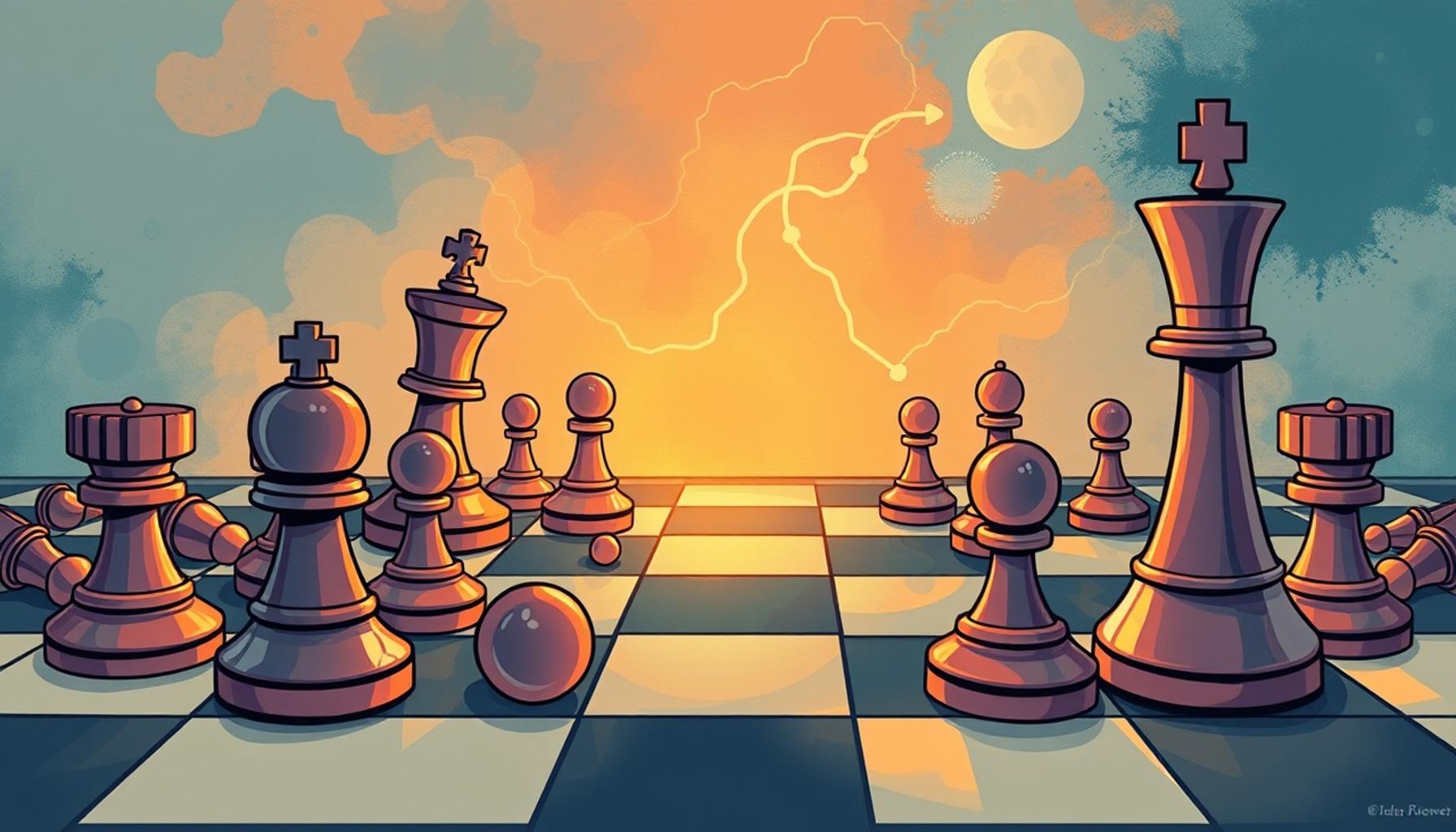
Developing Logical Reasoning Skills Through Strategy Games

Unlocking the Power of Strategy Games
In today’s fast-paced world, logical reasoning skills are more valuable than ever. Strategy games, often seen as mere entertainment, serve as powerful tools for enhancing these skills. By engaging with these games, players can sharpen their minds while having fun. These games not only provide an escape but also cultivate important life skills that are essential in both academic and professional environments.
One of the key attributes of strategy games is their ability to present problem-solving challenges. Players must navigate complex scenarios that require critical thinking to achieve their objectives. For instance, in a game of chess, each player must anticipate their opponent’s moves while creating their plan of attack, leading to a need for innovative thinking. This attention to problem-solving is also evident in cooperative games like Pandemic, where players must work together to devise solutions to save the world from disease outbreaks.
Another essential feature of strategy games is the decision-making opportunities they present. Every move can significantly impact the outcome, forcing players to weigh risks and benefits carefully. In Risk, for example, players must decide whether to launch an all-out attack or build defenses, assessing the potential rewards against the risk of counterattacks. This element of risk management helps players hone their decision-making skills, which can translate directly into real-world situations such as negotiating contracts or managing resources in the workplace.
Strategic thinking is yet another critical feature that distinguishes strategy games. Crafting a winning strategy requires foresight and adaptability. In games like StarCraft, players need to think several steps ahead, continuously adjusting their strategy based on opponents’ tactics. The dynamic nature of such games encourages players to be highly adaptable, a skill that is particularly valuable in today’s rapidly changing job market, where flexibility is often linked to success.
Popular examples of strategy games include:
- Chess: A timeless classic that promotes tactical planning and foresight, with competitions held worldwide, including prestigious events like the World Chess Championship.
- Risk: A game of global domination that involves resource management and negotiation, offering players a chance to explore geopolitical strategies on a simplified scale.
- StarCraft: A real-time strategy game where players must quickly adapt to opponents’ tactics, illustrating the importance of quick thinking and adaptability in a competitive setting.
By immersing themselves in these games, individuals not only enjoy the thrill of competition but also cultivate essential reasoning skills. Studies have even shown that regular engagement with strategy games can lead to improved cognitive functions, including enhanced memory and better problem-solving skills. The implications are profound, especially as critical thinking becomes a cornerstone in academic and professional settings.
As the landscape of learning evolves, exploring how strategy games can revolutionize the way we develop logical reasoning skills is becoming increasingly important. These games not only provide entertainment but also offer a unique platform for learning and growth—a win-win that merits further investigation.
The Cognitive Benefits of Engaging in Strategy Games
As our society increasingly values cognitive agility, understanding how to develop logical reasoning skills becomes paramount. Strategy games provide an unparalleled platform for stimulating mental faculties and refining essential life skills. They challenge players to approach problems with a critical mindset while adapting to new information and unforeseen challenges. This cognitive exercise not only aids in personal development but can also translate into improved performance in academic and professional arenas.
At the heart of these games lies the concept of analytical thinking. Players are required to dissect complex situations, assess various elements, and synthesize information to formulate strategic moves. For example, while playing Settlers of Catan, players must evaluate resource management, negotiation tactics, and potential threats from competitors. This multi-level analysis sharpens rational thought processes, enabling players to make informed decisions that could benefit them in high-stakes situations outside of gaming. Research supports this notion, indicating that exposure to strategy games can enhance executive functions such as prioritizing tasks and managing time effectively.
The social dimension of strategy games also plays a critical role in developing logical reasoning skills. Games often require collaboration, negotiation, and communication among players. In cooperative games like Forbidden Island, players need to devise collective goals, often employing logical reasoning to assess risks and benefits together. This teamwork fosters an environment conducive to shared learning and critical discussions, honing players’ abilities to present sound arguments and engage in constructive debates. These skills are invaluable in real-life scenarios, from group projects in school to team-based strategies in professional workplaces.
Moreover, there is a profound connection between emotional intelligence and the logic developed through play. By facing losses or setbacks in strategy games, players cultivate resilience and a growth mindset. Consider the learning curve presented in a game like Magic: The Gathering, where players must adjust their approaches with every match. Dealing with defeat encourages players to analyze their choices, fostering the ability to adapt their strategies and learn from previous errors—a cornerstone of logical reasoning and problem-solving.
Here are some key benefits of engaging in strategy games that enhance logical reasoning skills:
- Enhanced Problem-Solving: Players learn to tackle complex scenarios effectively, developing skills crucial for real-world applications.
- Improved Decision-Making: Each game round requires weighing the pros and cons, sharpening risk assessment and management skills.
- Stronger Analytical Thinking: The need to analyze multiple factors at once cultivates a dual ability to assess and synthesize information.
- Team Collaboration: Many strategy games require players to work together, honing critical communication and negotiation skills.
Incorporating strategy games into daily routines could offer individuals a fun yet profound way to strengthen their reasoning abilities. As cognitive demands continue to grow, embracing these games can serve as a valuable means of personal development, allowing players to emerge with sharpened logical reasoning skills that empower them in various aspects of life.
| Category | Details |
|---|---|
| Enhanced Problem-Solving | Strategy games foster critical thinking by putting players in complex scenarios requiring innovative solutions to challenges. |
| Increased Cognitive Skills | Engagement with strategy games promotes mental agility, improving memory, focus, and the ability to process information quickly. |
Engaging in strategy games is a fun and effective method for enhancing logical reasoning skills. Each game requires players to think ahead and consider possible outcomes of their decisions, which translates to improved strategic planning abilities in real-life situations. Whether playing chess, sudoku, or more elaborate board games, participants find themselves constantly adapting to new challenges.Many research studies indicate that regular participation in these types of games not only sharpens mental faculties but also decreases the likelihood of cognitive decline in older adults. The interplay of decision-making and consequences in these games helps build a foundation for better rational thinking.Furthermore, playing strategy games can be a socially enriching experience, encouraging teamwork and communication skills necessary for collaborative problem-solving. Each session serves as a platform for developing crucial skills that are highly valued in academics and workplace environments.
Strategic Thinking: Bridging Play and Practical Applications
Engaging in strategy games does more than just sharpen logical reasoning skills; it fosters an integral ability known as strategic thinking. This is the foresight one needs to not just react, but to anticipate future moves and outcomes, a skill translatable to numerous aspects of life, particularly in leadership and management roles. When individuals immerse themselves in games like Chess or Risk, they navigate through a web of information and consequences that mirror real-world decision-making scenarios. Each choice creates ripples of effects, compelling players to think both critically and creatively—attributes that are highly sought after in today’s dynamic job market.
Take, for example, the game of Chess. Players are not merely focused on the present; they’re imaging several moves ahead while calculating potential counterattacks from opponents. This constant demand to think ahead enhances their capacity to develop plans and identify opportunities amidst challenges. Research has shown that individuals who play Chess regularly exhibit improved problem-solving abilities and heightened creative thinking, essential traits in fields such as business, engineering, and even medicine.
Additionally, strategic games often mimic the resource allocation conundrums faced in corporate environments. In games like Civilization, players must build empires, manage resources, and forecast the reactions of other players. This mirrors real-world economics where companies need to allocate resources wisely, strategizing for expansion or operational efficiency. Players learn through experience that every decision, whether about investing in technology or fostering alliances, carries weight and consequence. Mastery of resource management through gameplay promotes skills that directly transfer to budgeting and project management in a professional landscape.
Furthermore, the adaptability taught through these games cannot be overstated. Players often enter scenarios with preconceived notions about which strategies will prove effective, only to find themselves adjusting to their opponents’ moves. This instills a vital skill: flexibility in thinking. In rapidly evolving workplaces, the ability to pivot and approach problems from different angles is essential. The transition from a rigid mindset to one that embraces fluidity is paramount for success, especially in industries driven by innovation and disruptions.
The psychological aspects of strategy games also play a critical role in enhancing logical reasoning skills. Engaging in competitive play generates a variety of emotional responses, from excitement to frustration. Learning to manage these emotions fosters self-regulation, a pivotal element of emotional intelligence. By recognizing how emotional states influence decision-making, players can refine their reasoning process, leading to more objective assessments. The implications for personal and professional growth are significant, as individuals become better equipped to navigate interpersonal dynamics and make rational decisions in high-pressure situations.
Moreover, a notable aspect of strategy games is their accessibility; they can be played in various settings, from family game nights to online platforms, increasing their appeal to a broader audience. This availability allows for diverse groups to engage, promoting not just individual skills but also communal learning experiences. By participating in such games, players are exposed to the valuable practice of reasoning alongside others, gaining multiple perspectives which can lead to richer discussions and more refined thought processes.
Ultimately, strategy games do not simply provide entertainment; they serve as a robust training ground for developing logical reasoning skills through strategic thinking, adaptable approaches, and emotional intelligence. As the demand for such skills in education, the workplace, and everyday life continues to mount, incorporating these engaging activities into our lives offers not just joy but significant cognitive rewards.
Conclusion: Unlocking the Power of Strategy Games
In conclusion, the world of strategy games offers a unique and dynamic platform for developing logical reasoning skills in ways that extend far beyond mere entertainment. By engaging in these intellectually stimulating activities, players not only enhance their ability to think critically and creatively but also cultivate essential life skills such as strategic thinking, adaptability, and emotional intelligence. As we explored, games like Chess and Civilization provide immersive experiences that reflect real-world challenges, fostering the capacity to analyze various scenarios and make informed decisions.
The increasing complexity of modern workplaces necessitates individuals who can navigate intricate problem-solving landscapes. Through gameplay, participants encounter diverse perspectives that enrich their reasoning processes, enabling them to approach challenges from multifaceted angles. Moreover, learning to regulate emotions during competitive play contributes to a more balanced decision-making framework, essential for both personal and professional success.
With the accessibility of strategy games today—from family gatherings to online platforms—players of all backgrounds can harness these cognitive benefits. As such, it is crucial for educators, employers, and individuals alike to recognize the potential inherent in these engaging activities. Encouraging participation in strategy games can unlock not only immediate enjoyment but also long-lasting cognitive rewards that prepare us for a rapidly evolving world. Thus, embracing the art of gaming becomes an essential step in nurturing future leaders equipped with the logical reasoning skills demanded by our era.

Beatriz
Beatriz Johnson is a seasoned puzzle enthusiast and writer with a passion for unraveling the complexities of mind games and brain teasers. With over a decade of experience in the world of puzzles, she specializes in topics like logic games, riddles, and strategic challenges. Through her work, Beatriz empowers readers to sharpen their problem-solving skills, think creatively, and stay engaged in the ever-evolving landscape of mind games and puzzles.