Classic Board Games and Their Relevance in Improving Memory in Adults
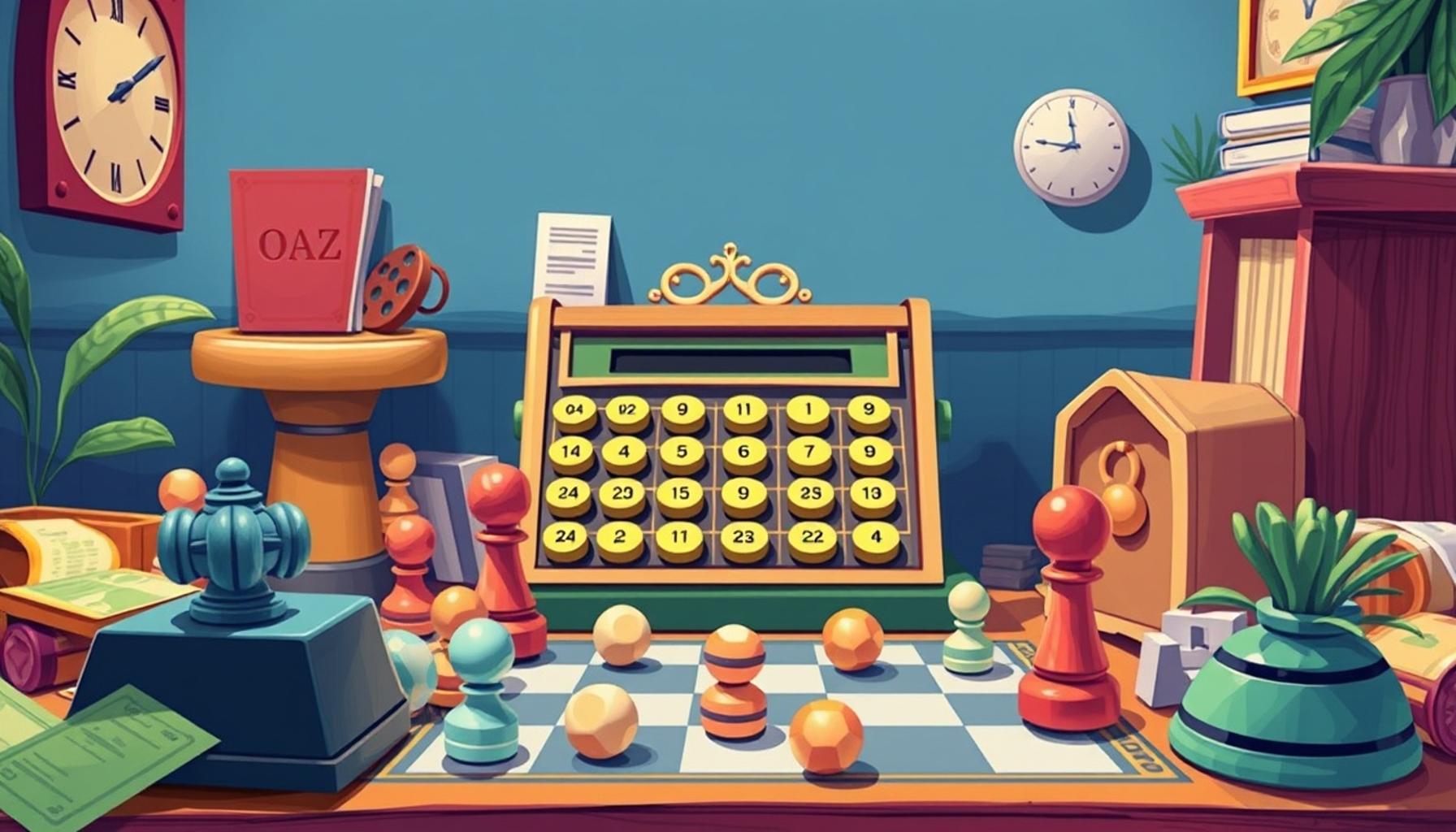
Rediscovering the Power of Play
In a fast-paced digital world, many adults find themselves yearning for simpler times. Classic board games offer not just nostalgia but also a potent tool for mental stimulation. These games are more than just a pastime; they can significantly contribute to improving memory. The act of playing engages participants in a way that is rewarding and beneficial for the mind.
The Cognitive Benefits of Classic Board Games
Engaging in board games activates various cognitive skills, which can be particularly beneficial for adults. There are several key aspects one should consider when evaluating the positive impacts of these games:
- Enhances critical thinking: Games like Chess and Go require strategic planning and foresight. Players must anticipate their opponents’ moves while forming their own strategies, which develops essential problem-solving skills. For instance, a heated game of Chess can sharpen one’s ability to think several steps ahead, a skill that proves invaluable in daily life and decision-making.
- Boosts memory: Memory games such as Concentration sharpen recall abilities not just by demanding players remember the locations of various cards but also by encouraging them to employ mnemonic devices to improve retention. Research has shown that engaging in these types of activities can lead to better memory retention, helping players recall complex information more easily.
- Improves social interaction: Board games encourage players to communicate, fostering relationships and reducing isolation. The social aspect of playing together can lead to deeper connections, combatting the loneliness that many experience in the age of digital interaction. Whether it’s a game night with friends or family, these games provide a platform for bonding and laughter.
Research has shown that actively participating in these games can maintain and even improve cognitive function in aging adults. They serve as a fun and engaging way to keep the mind sharp. Regularly playing board games has been linked to a lower risk of cognitive decline, making them an enjoyable yet effective strategy for mental wellness.
Popular Classics Worth Playing
Some board games have stood the test of time and are renowned for their cognitive benefits. Consider these classics that have captured the hearts and minds of many:
- Scrabble: This game not only enhances vocabulary and spelling but also encourages players to think creatively about word formation. It can be a great way to learn new words, making it popular among both older and younger audiences.
- Monopoly: Beyond being a staple of family gatherings, Monopoly develops financial skills and resource management. Players learn about investment, property management, and negotiation, preparing them for real-world scenarios.
- Clue: This mystery-solving game encourages deductive reasoning and logical thought. Players must piece together clues to determine the who, what, and where of a fictional crime, honing their analytical skills in the process.
As more adults turn to these engaging activities, the potential for enhancing memory becomes an exciting opportunity. Board games allow players to disconnect from their digital devices and immerse themselves in strategic thinking and creativity. Exploring these classics not only provides entertainment but also nurtures mental agility, paving the way for lifelong learning and social connection.
Unlocking the Mind: The Role of Classic Board Games
Classic board games are not just relics of the past; they embody a unique blend of strategy, creativity, and social engagement that can work wonders for cognitive health. In a world increasingly dominated by screens, the tactile experience of shuffling cards, rolling dice, and moving game pieces offers a refreshing break that stimulates the brain in ways that digital interactions often cannot. These beloved games foster neurological pathways that aid in improving memory and enhancing cognitive longevity for adults.
Understanding Memory Improvement Through Play
The link between classic board games and memory enhancement can be explained through several cognitive processes that occur during gameplay. Here are a few notable ways in which these games bolster memory:
- Active Engagement: Unlike passive forms of entertainment, board games require active participation. This involvement demands that players focus, consider their options, and remember information relevant to the game, such as rules or the positions of pieces on the board. This level of engagement has been associated with greater retention of information and improved recall capabilities.
- Structured Challenges: Each board game presents a set of rules and challenges that players must navigate. The structured environments in games like Settlers of Catan or Ticket to Ride require players to strategize and adapt their plans based on opponents’ actions, enhancing cognitive flexibility. This mental juggling strengthens executive function, which is crucial for memory improvement.
- Repetition and Practice: Many classic board games encourage repeated plays, allowing for practice over time. This repetition, whether it’s mastering the strategies of Backgammon or remember the card placements in Uno, can create opportunities for skill reinforcement, leading to more robust memory retention.
Notably, studies have shown that adults who engage in memory-challenging activities, including board games, may experience cognitive benefits that translate into everyday life. For example, a 2016 study published in the Journal of Alzheimer’s Disease found that individuals aged 70 and older who played board games regularly exhibited better cognitive performance compared to their non-playing peers. Such findings highlight the importance of integrating classic gaming into a well-rounded lifestyle for both fun and cognitive health.
Board Games That Can Jumpstart Memory Growth
When exploring the universe of classic board games, several titles stand out for their unique ability to engage and enhance memory. Here are some noteworthy games that are not only enjoyable but also serve as effective cognitive tools:
- Risk: This global conquest game requires strategic planning, memory of alliances, and keen observation of opponents’ strategies, making it a powerful tool for sharpening memory and tactical skills.
- Pictionary: This fast-paced drawing game necessitates not only quick memory recall of words and phrases but also creativity in visual representation, thereby engaging different facets of memory and imagination.
- Trivial Pursuit: With its focus on a wide range of topics, playing Trivial Pursuit can significantly boost knowledge retention and memory recall, as players strive to remember answers to questions spanning various fields.
In summary, the revival of classic board games is more than just a whimsical return to childhood; it’s a meaningful investment in mental fitness. As adults embrace these games, they unlock opportunities for improved cognitive function, social connection, and most importantly, an enhanced memory that can withstand the trials of time.
Classic Board Games as Tools for Cognitive Development
Classic board games have long been a source of entertainment, but their role in enhancing memory and cognitive skills in adults cannot be overlooked. Games such as chess, Scrabble, and Monopoly not only engage players mentally but also encourage strategic thinking, problem-solving, and memory retention. Every move in these games requires players to recall past actions, think ahead, and adapt to their opponents’ strategies, thus improving their cognitive flexibility.Moreover, studies have shown that playing board games can stimulate various areas of the brain, leading to improved verbal skills, enhanced reasoning abilities, and increased attention span. For instance, Scrabble challenges players to construct words from a limited set of letters, which can enhance vocabulary and spelling through repeated practice.
Social Interaction and Its Cognitive Benefits
The social aspect of board games also plays a crucial role in memory improvement. Engaging with others while playing can foster communication skills, build interpersonal relationships, and combat feelings of loneliness. This social interaction has been linked to better cognitive health, as it provides emotional support and encouragement, both of which are vital for mental wellness.Research suggests that individuals who are socially active tend to experience slower cognitive decline, highlighting the importance of integrating classic board games into regular social activities. By mixing fun with mental challenges, these games provide an enjoyable avenue for adults to maintain and even enhance their memory functions over time. Incorporating classic board games into your routine could lead to not just a fun pastime but also a pathway to improved cognitive health.
Cognitive Enhancement Beyond the Game Board
While the memory-enhancing benefits of classic board games are striking, their impact stretches far beyond mere cognitive improvement. Engaging in these games can lead to various psychological and social benefits, which further contribute to a healthy mind for adults.
Social Interaction: A Key Component of Cognitive Health
One of the most compelling aspects of classic board games is their ability to foster social interaction. Unlike solitary video games or digital puzzles, board games bring people together around a common table. This social collaboration demands effective communication and encourages the exchange of ideas and strategies, sparking mental exchanges that stimulate cognitive functions. The more social connections adults maintain, the more they can stave off feelings of loneliness and depression, conditions known to negatively impact cognitive health.
Research conducted by the National Institute on Aging indicates that socially engaged individuals experience superior cognitive resilience compared to their isolated counterparts. This suggests that the more time one spends playing board games with friends or family, the higher the likelihood of maintaining sharper cognitive abilities as they age. Games such as Scrabble or Charades promote not only verbal skills but also improve overall psychological well-being, boosting mood and diminishing anxiety.
Strategic Thinking and Problem Solving
Engaging in classic board games cultivates robust strategic thinking and problem-solving skills, essential components of improved memory. Games like Chess and Go encourage players to think several moves ahead, analyzing and anticipating the actions of their opponents. This level of strategic engagement enhances the brain’s ability to reorganize information and recognize patterns, crucial for memory retention.
Moreover, research published in the Journal of Cognitive Enhancement supports the idea that activities demanding critical thinking and planning enhance cognitive flexibility. Players are often faced with unforeseen challenges during gameplay, compelling them to pivot their strategies and adapt. This constant need for mental agility not only improves memory but also enhances problem-solving skills that prove beneficial in daily life, from professional environments to personal decision-making.
The Therapeutic Use of Board Games
Interestingly, the therapeutic potential of classic board games is beginning to gain recognition in various settings. Occupational therapists have incorporated board games into treatment programs designed for cognitive rehabilitation, particularly for adults recovering from neurological conditions such as stroke or traumatic brain injury. By utilizing games that stimulate memory and analytical thinking, therapists can help their clients regain lost cognitive functions in a fun and engaging manner. Games like Memory or Sequence are particularly effective in fostering memory recall and spatial recognition, essential components of cognitive recovery.
Moreover, community centers in the United States are increasingly organizing board game nights aimed at promoting mental wellness among older adults. These initiatives harness the longstanding appeal of board games as social tools, encouraging participation and community bonding, which are vital for emotional and cognitive health.
In summary, the resurgence of classic board games transcends mere nostalgia; rather, it serves as a bridge to cognitive enhancement through social engagement, strategy, and therapeutic applications. As adults explore this timeless form of entertainment, they inadvertently embark on a path towards improved memory and overall mental fitness. The conversation surrounding the value of these games continues to broaden, revealing that their relevance in today’s cognitive landscape is indeed profound.
Conclusion: Rediscovering the Cognitive Treasure of Classic Board Games
In an age dominated by technology and digital distractions, classic board games remain a powerful and relevant tool for enhancing memory and cognitive health among adults. As explored throughout this article, these games do not only sharpen our intellectual abilities but also serve as vital avenues for social interaction and emotional wellbeing. The benefits span far beyond the action on the game board, encouraging meaningful connections that help counter the detrimental effects of isolation and loneliness.
Additionally, the strategic demands of games like Chess and Scrabble cultivate critical thinking and problem-solving skills essential for improving memory retention. The cognitive flexibility honed through these challenges can be invaluable, spilling over into everyday life where decision-making and adaptability are keys to success. Furthermore, the therapeutic applications of board games show promise in cognitive rehabilitation, making them not only recreational tools but also instrumental in aiding recovery from cognitive impairments.
As community initiatives grow to promote these interactive gatherings, the revival of board games invites adults to embrace a balanced approach to leisure that nourishes both the mind and spirit. By rediscovering the charm of classic board games, adults can unlock their cognitive potential while enjoying quality time with loved ones. This timeless pastime is much more than just play; it is a pathway to cognitive enhancement and mental resilience that deserves a renewed focus in our quest for lifelong learning and cognitive vitality.

Beatriz
Beatriz Johnson is a seasoned puzzle enthusiast and writer with a passion for unraveling the complexities of mind games and brain teasers. With over a decade of experience in the world of puzzles, she specializes in topics like logic games, riddles, and strategic challenges. Through her work, Beatriz empowers readers to sharpen their problem-solving skills, think creatively, and stay engaged in the ever-evolving landscape of mind games and puzzles.