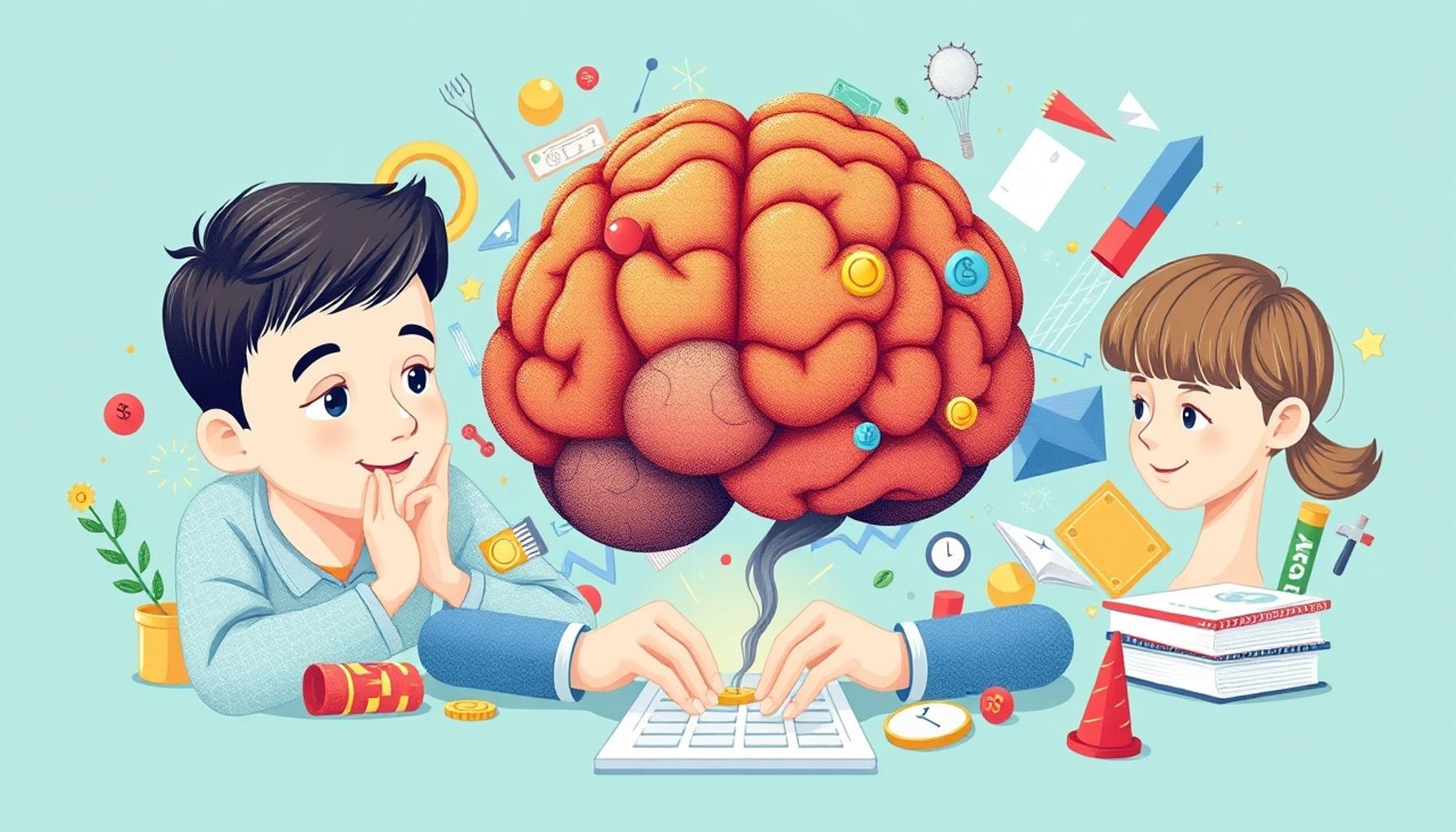
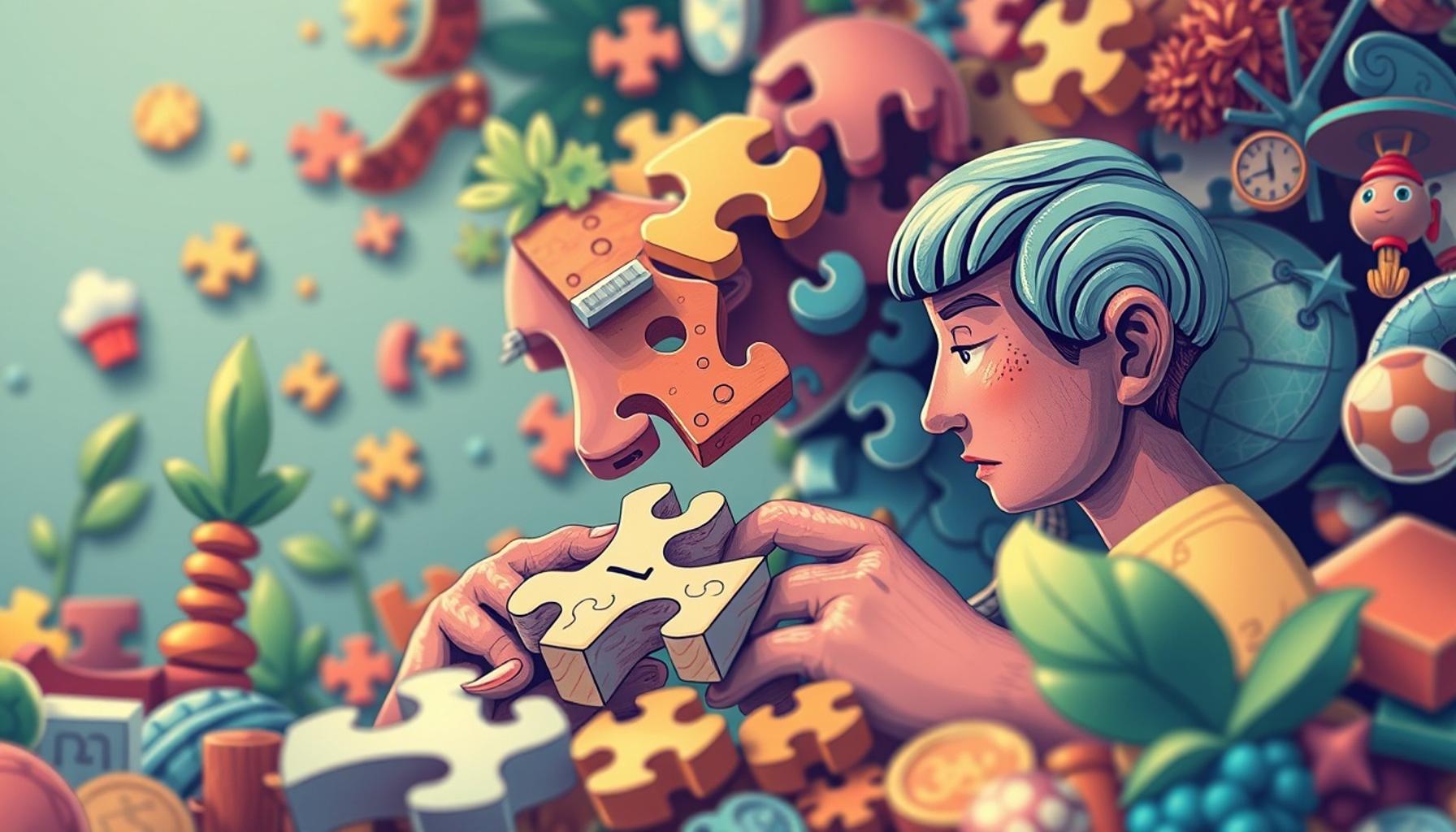
Developing Logic Skills: The Impact of Puzzles on Our Minds
Understanding the Impact of Puzzles on Cognitive Development
Puzzles have captivated human minds for centuries, serving as a delightful way to engage our brains. They are not just entertainment; they play a crucial role in developing logic skills. Understanding the impact of puzzles on cognitive functions can lead to significant insights about our mental capabilities. From children honing their skills with simple shape sorters to adults navigating complex brain teasers, the benefits are both diverse and profound.
Consider these intriguing aspects of puzzles:
- Variety of Types: From crosswords and Sudoku to jigsaw puzzles, the types of puzzles available are endless. Each form stimulates different cognitive abilities; for instance, crosswords enhance vocabulary and recall, while Sudoku sharpens numerical aptitude and logical reasoning. Board games like chess or strategy-based puzzles engage players in higher-level thinking, requiring foresight and planning.
- Cognitive Benefits: Regularly engaging in puzzle-solving can enhance memory, problem-solving abilities, and critical thinking. Research has shown that individuals who frequently work on puzzles improve their cognitive agility, which includes faster information processing and the ability to draw connections between concepts.
- Age-Defying Benefits: Studies suggest that puzzles can aid in maintaining mental acuity in older adults. Engaging in stimulating activities, such as puzzles, has been linked to a lower risk of Alzheimer’s disease and other forms of dementia. Programs in retirement communities often include puzzle-related activities precisely for this reason.
Moreover, the process of solving puzzles has been shown to:
- Improve Focus: Concentrating on a puzzle enhances attention span. The act of focusing on the intricate details of a puzzle reinforces neural pathways related to concentration. Research indicates that regular puzzle-solving leads to improved multi-tasking capabilities as well.
- Boost Creativity: Finding solutions can inspire innovative thinking. Puzzles often require out-of-the-box thinking, encouraging individuals to consider various approaches and perspectives. This creativity spills over into everyday life, enhancing the ability to tackle challenges in unconventional ways.
- Foster Resilience: Overcoming difficult puzzles teaches patience and perseverance. The frustration of hitting a wall or misplacing a piece can help cultivate a growth mindset, where individuals learn to appreciate the journey of solving and refining their strategies.
As we dive deeper into the relationship between puzzles and logic skills, it’s crucial to explore how these activities influence our neural pathways. The journey through every twist and turn of a puzzle not only brings satisfaction but also fortifies our minds for everyday challenges. Engaging with puzzles can create pathways for improved social interaction as well, as people often gather to work together on complex problems, fostering community and communication skills.
In conclusion, puzzles serve as a powerful tool for enhancing our cognitive skills and expanding our mental horizons. From enhancing memory to developing critical thinking and creativity, the benefits are vast and applicable to all ages, suggesting that incorporating puzzles into our daily routine could be a fun and effective way to boost our brainpower.
The Intricacies of Puzzle Solving and Brain Function
The connection between puzzle-solving and brain function is a fascinating realm of study that has captured the attention of psychologists and educators alike. As individuals engage with puzzles, they stimulate various areas of the brain responsible for logic, reasoning, and spatial awareness. This process goes beyond mere entertainment; it acts as a cognitive workout that enhances both mental flexibility and processing speed.
When solving a puzzle, our brains are tasked with recognizing patterns and formulating strategies. Each type of puzzle offers unique challenges that engage different cognitive resources. For example, jigsaw puzzles require a keen eye for detail and visual-spatial reasoning, while riddles and logic puzzles demand critical thinking and deductive reasoning. These activities contribute to a more intricate neural network, improving overall cognitive function.
To better understand how puzzles influence logic skills, let’s explore a few key areas affected by puzzle-solving:
- Enhanced Analytical Skills: Tackling puzzles compels individuals to assess information critically and draw logical conclusions. This analytical approach strengthens capabilities in evaluating situations and problem-solving, both of which are essential in academic and professional settings.
- Memory Improvement: The act of remembering puzzle patterns, strategies, and techniques can lead to enhanced short-term and long-term memory. Engaging with puzzles regularly can make it easier to recall information and improve overall memory retention.
- Increased Cognitive Agility: Frequent engagement with puzzles helps in adapting to new information quickly. Cognitive agility, the ability to switch between tasks and think rapidly, is essential in fast-paced environments, making puzzle enthusiasts often more adept at handling unexpected challenges.
Furthermore, puzzle-solving can influence our emotional well-being, providing a sense of accomplishment and motivating individuals to persevere through challenges. This emotional engagement combined with cognitive stimulation creates a balanced approach to personal growth. Adults, especially, may find solace in working on complex puzzles as a form of stress relief, turning their focus away from daily pressures and reconnecting with their sense of achievement.
The benefits of puzzles extend to group settings as well. Collaborative puzzle-solving can enhance communication skills and foster greater social interaction, making it a fun and engaging way to connect with others. In family gatherings, friends’ game nights, or even team-building activities in workplaces, puzzles serve as a universal language of engagement, bridging gaps and encouraging teamwork.
In summary, the intricate relationship between puzzles and our logic skills highlights the importance of cognitive engagement through fun and challenging tasks. As we peel back the layers of this relationship, we see that the benefits are not just tied to intellectual growth; they also encompass emotional resilience and social connectivity, making puzzle-solving a rewarding experience for people of all ages.
Understanding the Benefits of Puzzles for Cognitive Development
Puzzles serve as powerful tools for enhancing cognitive abilities, particularly in the realm of logic skills. Engaging with puzzles such as crosswords, sudoku, and jigsaw puzzles not only fosters critical thinking but also enhances problem-solving skills. These activities require individuals to analyze patterns, foresee possible outcomes, and employ logical reasoning. This neural engagement sparks brain activity that is essential for maintaining mental agility across the lifespan.Furthermore, researchers suggest a notable correlation between puzzle-solving and improved memory function. Regular engagement with puzzles has been linked to better short and long-term memory retention, as the brain is trained to recall information quickly and efficiently. This improvement stems from the need to remember clues, sequences, and patterns, thus engaging various memory pathways.Additionally, puzzles have a social component that enhances collaboration and communication skills, particularly when solved in groups. The collective brainstorming and discussions catalyze cognitive flexibility and foster a sense of community among participants, making the process both educational and enjoyable. With these multifaceted benefits, puzzles emerge as not just recreational activities but as vital exercises for strengthening our mental faculties. For an in-depth exploration of the psychological impacts of puzzles on our cognition and memory, consider how various forms of puzzle games can challenge your intellect and provide insights into your own thought processes. The impact of these activities goes beyond mere entertainment; they weave a comprehensive tapestry of benefits that enrich our lives in profound ways.
| Category 1 | Category 2 |
|---|---|
| Cognitive Engagement | Puzzles stimulate critical thinking and logical reasoning. |
| Memory Improvement | Regular puzzle-solving enhances both short and long-term memory retention. |
By delving deeper into the benefits of puzzles, individuals can unlock a myriad of mental enhancements that contribute to a more fulfilling and intellectually stimulating experience.
Puzzles as Tools for Cognitive Development
In a world where critical thinking is more crucial than ever, puzzles emerge as valuable tools for cognitive development across all age groups. From children developing their reasoning skills to adults honing their strategic thinking, the varied forms of puzzles cater to different cognitive needs and preferences. This universality makes puzzles not just a pastime but a significant contributor to mental fitness.
Recent studies indicate that engaging with puzzles can have long-term cognitive benefits. For instance, research published in the *Journals of Gerontology* suggests that older adults who regularly engage in brain exercises, such as crossword puzzles, demonstrate slower cognitive decline compared to their counterparts who do not participate in such activities. This finding underscores the connection between puzzle-solving and enhanced neuroplasticity—the brain’s ability to reorganize and adapt by forming new neural connections throughout life.
Moreover, puzzles can serve educational purposes, especially in classrooms. Instructors utilize logic puzzles and brainteasers as engaging teaching tools to foster a growth mindset among students. By encouraging students to experiment with various problem-solving methods, puzzles facilitate a deeper understanding of mathematical and scientific concepts, thus linking fun with learning. For example, math-based puzzles can reinforce topics such as probability and geometry in a playful yet challenging manner, making abstract theories accessible and enjoyable.
Equally important is the role of digital puzzles in our increasingly connected world. Mobile apps and online platforms such as Sudoku and escape room games have transformed traditional puzzle-solving into an interactive experience. These digital puzzles not only provide instant feedback but also foster competition, motivating users to improve their skills over time. An interesting aspect of these platforms is the incorporation of multiplayer features, which promote cognitive synergy among participants, ultimately leading to enhanced teamwork and collaborative problem-solving capabilities.
Additionally, the social aspect of puzzles cannot be overlooked. Participating in puzzle-solving activities in groups can cultivate emotional intelligence as individuals learn to express feedback constructively and develop empathy toward fellow team members’ perspectives. Family game nights centered around challenging puzzles are particularly beneficial in fostering closer relationships while also promoting healthy competition. The emotional bonds formed through shared experiences contribute to improved emotional regulation and resilience, which are vital components of cognitive health.
- Skill Transfer: The logic and reasoning skills developed through puzzles have a transfer effect, enabling individuals to apply these enhanced capabilities to real-world challenges. This skill transfer is significant in areas such as coding, engineering, and algorithmic thinking—fields that increasingly rely on complex problem-solving.
- Creative Thinking: Puzzles encourage divergent thinking—where multiple solutions are possible—part of the creative problem-solving process. Engaging with different types of puzzles pushes individuals to think outside the box, aiding creativity in various professional and personal contexts.
As puzzle-solving continues to evolve, it remains a prominent fixture in our quest for cognitive enhancement and social engagement. Whether through traditional puzzles, interactive brain games, or teamwork in a collaborative setting, the impact of puzzles on our minds is profound and multifaceted. Their capacity to develop logic skills while fostering connections among individuals exemplifies their significance in our everyday lives.
Conclusion: The Enduring Power of Puzzles
Puzzles, often viewed as mere entertainment, reveal a deeper significance in our cognitive development and social interactions. The exploration of different puzzle forms—be it traditional crosswords, engaging logic grids, or innovative digital challenges—serves not only to sharpen our logic skills but also to foster a love for learning and critical thinking. By integrating problem-solving into our daily routines, we cultivate vital skills that can be transferred to real-world applications, enhancing our capabilities in diverse fields such as engineering, coding, and everyday decision-making.
As the research increasingly indicates, the long-term mental benefits of puzzles extend across our lifespans, supporting cognitive health and emotional resilience. They provide an avenue for strengthening connections with others, creating shared experiences that reinforce social bonds and interpersonal skills. Through collaboration in puzzle-solving, individuals develop empathy and constructive communication—crucial components of thriving relationships.
In a society that values adaptability and innovation, the practice of engaging with puzzles can be a transformative hobby or a strategic educational tool. As we continue to uncover the layers of how these activities impact our minds, it becomes clear that the appeal of puzzles reaches far beyond simple enjoyment. They are remarkable instruments for cognitive enhancement, problem-solving, and fostering a community that thrives on curiosity and collaboration. As you engage with your next puzzle, consider not just the challenges it presents, but the boundless potential it unlocks within your mind.

Beatriz
Beatriz Johnson is a seasoned puzzle enthusiast and writer with a passion for unraveling the complexities of mind games and brain teasers. With over a decade of experience in the world of puzzles, she specializes in topics like logic games, riddles, and strategic challenges. Through her work, Beatriz empowers readers to sharpen their problem-solving skills, think creatively, and stay engaged in the ever-evolving landscape of mind games and puzzles.