Mind Games as a Tool for Problem Solving: Bridging Fun and Critical Thinking
Unlocking the Power of Mind Games
In today’s fast-paced world, innovative solutions often require sharp thinking and creativity. Mind games emerge as a powerful tool, transforming the conventional approach to problem-solving into an engaging experience. By blending fun with critical thinking, these games stimulate the mind and foster analytical skills.
Consider these captivating benefits of incorporating mind games into your routine:
- Enhanced Creativity: Mind games encourage out-of-the-box thinking, allowing players to explore new ideas and solutions.
- Improved Focus: These activities help sharpen attention, enabling individuals to concentrate better on complex problems.
- Team Collaboration: Many mind games promote teamwork and communication skills, essential in both professional and social contexts.
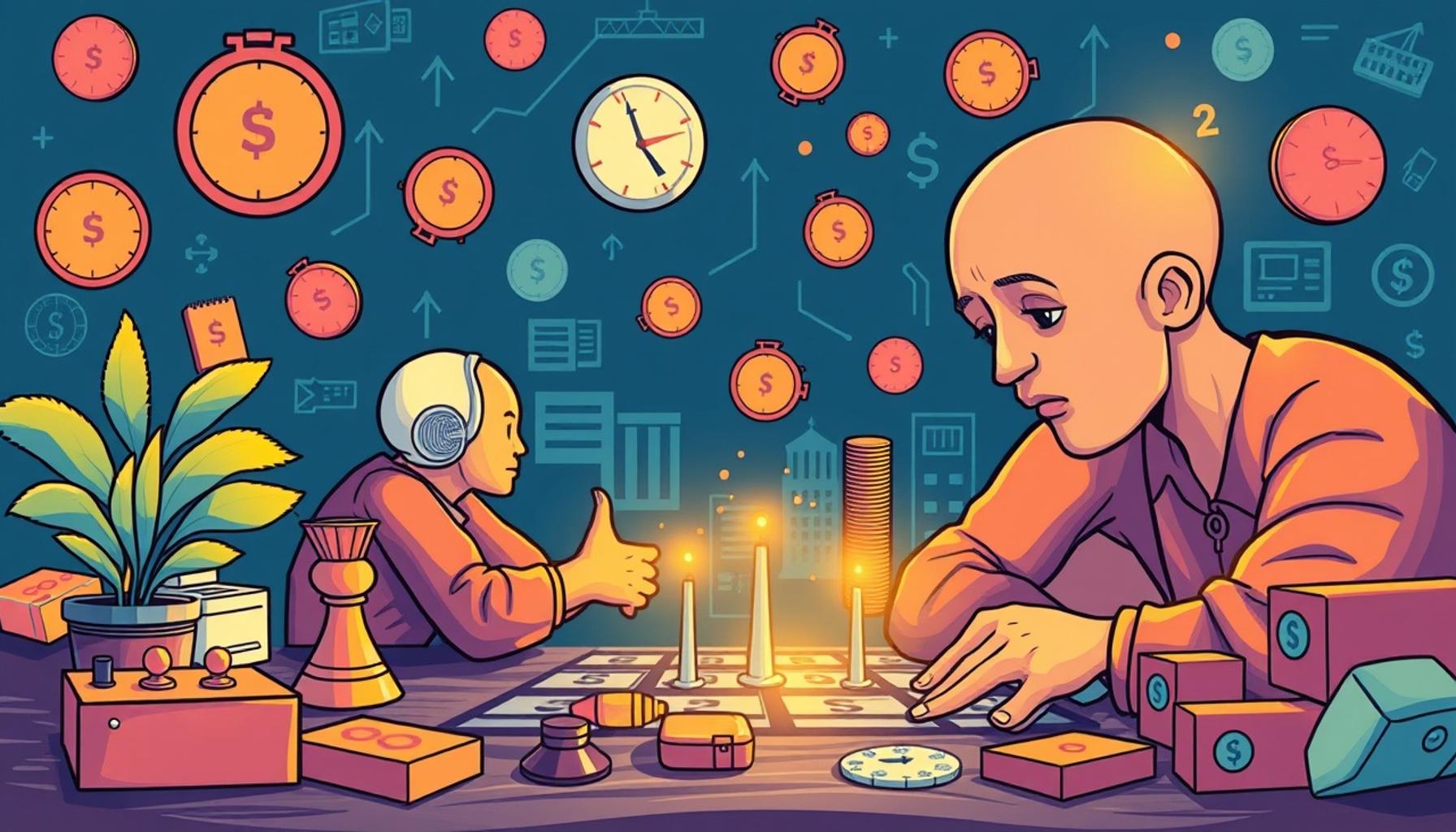
From chess to puzzles, the variety of options available can cater to different interests and skill levels. Chess, for instance, is not only a game of strategy but also a profound exercise in foresight and planning. Players must anticipate their opponent’s moves, creating an intricate dance of strategy that hones critical thinking abilities. Other games, such as Sudoku or crossword puzzles, stimulate logical reasoning and pattern recognition, skills which are increasingly valuable in our information-rich society.
Moreover, studies reveal that engaging in these activities not only boosts cognitive function but also reduces stress. According to a report from the American Psychological Association, leisure activities like mind games can be instrumental in lowering anxiety levels. The immersion in a complex challenge diverts attention from daily stressors and encourages mindfulness, allowing the player to focus intently on the present moment.
As you delve deeper into the realm of mind games, you will discover how they serve as a bridge between entertainment and effective problem-solving strategies. Games such as escape rooms or team-based strategy games (like Dungeons & Dragons) foster a sense of community while developing critical thinking skills among participants. They encourage friendly competition and collaboration, allowing players to build relationships while engaging in stimulating activities.
This exploration invites you to understand how playful engagement can unlock hidden potentials and lead to deeper insights, making critical thinking a more enjoyable journey. Whether it’s a casual game night with friends or solo practice in sharpening your mental faculties, the impact of mind games extends far beyond mere entertainment—it’s a vital investment in cognitive health and personal development.
The Benefits of Mind Games in Cognitive Development
Incorporating mind games into daily routines not only introduces an element of fun but also harnesses significant cognitive benefits that enhance problem-solving abilities. The underlying premise of these games is simple: they challenge the brain, pushing it to navigate complex scenarios and devise innovative solutions. This multifaceted approach to learning is especially crucial in an era where adaptability and creativity are valued more than ever.
To illustrate, consider how different types of mind games contribute uniquely to cognitive enhancement:
- Logic Puzzles: Engaging in logic puzzles, such as Sudoku or logic grid puzzles, sharpens analytical skills and improves deductive reasoning. Players develop the ability to identify patterns, which can translate to practical problem-solving in various contexts, from academic settings to workplace challenges.
- Strategy-Based Games: Games like chess or Go require players to think several moves ahead, cultivating long-term planning and strategic awareness. These games teach players to evaluate different outcomes based on their actions, a skill transferable to decision-making in real life.
- Memory Games: Activities that focus on memory, such as concentration or card-matching games, enhance recall and retention abilities. Improved memory is integral to problem-solving as it allows individuals to draw on past experiences and knowledge when faced with new challenges.
Furthermore, the social aspect of many mind games cannot be ignored. Interactive games promote collaboration among groups, encouraging communication and teamwork. This is particularly relevant in professional environments where projects often require collective problem-solving. For example, team-based games like Escape Rooms immerse participants in scenarios that demand coordination and shared insight, fostering skills that extend well beyond the gaming table.
Research has shown that the regular practice of mind games leads to improved cognitive longevity, especially among aging populations. A comprehensive study published in the Journal of Gerontology found that seniors who routinely engaged in mentally stimulating activities, including puzzles and strategy games, exhibited slower rates of cognitive decline compared to those who did not. This emphasizes the importance of lifelong learning and engagement in mind games to maintain mental acuity.
Ultimately, the intersection of fun and critical thinking in mind games offers a unique platform for individuals of all ages to develop essential skills. Whether they are unraveling complex problems in a game or employing those skills in real-life situations, players find themselves consistently honing their cognitive abilities. As you explore the realm of mind games, consider how they might serve as a catalyst for enhancing your problem-solving prowess while bringing enjoyment to your mental exercises.
Exploring the Role of Mind Games in Enhancing Critical Thinking
Mind games serve as an innovative platform for fostering critical thinking skills while simultaneously entertaining participants. Engaging challenges such as puzzles, strategy games, and brainteasers can sharpen cognitive abilities, making them an effective educational tool. They encourage players to analyze situations, weigh options, and develop creative solutions, making learning both enjoyable and impactful.Research shows that regularly playing mind games can enhance various cognitive functions, including memory retention, problem-solving capabilities, and emotional intelligence. By fostering situational awareness and improving decision-making skills, these games create a bridge to better problem-solving techniques in real-world situations.Moreover, mind games often require players to collaborate with others, fostering teamwork and communication. This communal aspect not only adds an element of fun but also teaches participants how diverse perspectives can contribute to problem-solving strategies. Whether in a family game night or a classroom setting, the ability to work together enhances interpersonal skills and promotes critical discussions around different approaches to challenges.The importance of fostering a culture of problem-solving cannot be overstated in our increasingly complex world. By integrating mind games as a tool for honing critical thinking skills, individuals of all ages can prepare themselves for future challenges in both personal and professional contexts. Embrace the joy of learning through play and witness the powerful transformations that come from engaging both the mind and spirit.
| Advantages | Impact on Skill Development |
|---|---|
| Enhances Cognitive Skills | Improves memory retention, boosts problem-solving capabilities, and enhances emotional intelligence. |
| Encourages Collaboration | Fosters teamwork and communication, teaching how diverse perspectives enhance problem-solving. |
Incorporating mind games into both educational and recreational settings can significantly lead to the development of essential skills. Keep exploring how various games can serve as catalysts for improving critical thinking and approach challenging tasks with renewed vigor and creativity.
The Role of Mind Games in Enhancing Emotional Intelligence
While cognitive skills are critical for problem-solving, the role of emotional intelligence (EI) in navigating challenges effectively is equally important. Mind games can serve as a powerful avenue for enhancing EI by encouraging players to recognize, understand, and manage emotions—both in themselves and in others. This multifaceted development is crucial for effective communication, conflict resolution, and leadership in various environments, including the workplace.
One notable aspect of emotional intelligence fostered through mind games is empathy. Games that require players to assume different roles or perspectives, such as role-playing games or narrative-driven board games, help develop the ability to understand various viewpoints. This practice paves the way for better interpersonal relations and facilitates smoother teamwork. For example, games like Dungeons & Dragons challenge players to step into the shoes of different characters, prompting them to consider motivations and emotions beyond their own.
Moreover, mind games often present players with situations that ignite emotional responses, providing opportunities for self-regulation. Controlling impulses is key to maintaining composure during high-stakes scenarios, and many games effectively simulate these conditions. Strategy-based games, for instance, often involve risk-taking and uncertainty, prompting players to manage stress and anxiety as they devise plans. Learning to deal with these emotions can directly translate to real-life situations, such as navigating negotiations or addressing workplace conflicts.
Team-based games, too, create an environment that emphasizes cooperation and communication. When individuals work together to solve a problem—like in cooperative board games or team sports—they enhance their ability to recognize and respond to the emotional dynamics of the group. This fosters trust and collaboration, essential qualities in successful professional teams. A study conducted by Harvard University revealed that groups with higher emotional intelligence consistently outperform those with lower EI by promoting a more harmonious and productive workplace environment.
Furthermore, the adaptability fostered through mind games can significantly influence personal and professional growth. Participants learn to embrace flexibility by encountering unexpected twists and turns within gameplay. This adaptability extends beyond the gaming context and is applied during real-life challenges where quick thinking and innovative solutions are essential. Research published in the American Psychological Association indicates that individuals who partake in strategy and role-playing games exhibit greater resilience in overcoming obstacles, demonstrating an improved capacity to face uncertainties and effectively resolve conflicts.
Incorporating mind games into a routine not only serves as an enjoyable pastime but also acts as a vehicle for developing a well-rounded skill set. Players hone their cognitive and emotional capabilities simultaneously, creating a robust foundation for problem-solving that embraces both rational thought and emotional awareness. The synergy of fun, creativity, and critical thinking in mind games presents a unique method for cultivating essential life skills that are deeply intertwined, making them indispensable in any successful problem-solving toolkit.
Conclusion
In summary, mind games offer an engaging approach to enhancing problem-solving skills while fostering critical thinking and emotional intelligence. They not only entertain but serve as practical tools that facilitate cognitive growth and interpersonal development. The balance of strategy and creativity found in these games cultivates a well-rounded skill set that is essential for navigating various challenges in both personal and professional arenas.
The benefits of incorporating mind games into daily life extend well beyond mere enjoyment. By enhancing empathy and promoting resilience, players are equipped to face real-world scenarios with increased adaptability and emotional awareness. This dual focus on cognitive and emotional growth allows individuals to respond effectively to complex situations, enhancing teamwork and communication in collaborative environments. Furthermore, research indicates that collective participation in these games leads to improved group dynamics and higher productivity levels.
As more people recognize the profound impact of mind games on their skill set, the potential for transformative learning through play becomes increasingly clear. Whether it’s engaging in narrative-driven experiences, cooperative challenges, or strategic planning, players are consistently sharpening their problem-solving abilities while having fun. Thus, integrating mind games into regular routines is a promising strategy for cultivating essential life skills, fostering a generation that not only thinks critically but also feels deeply. For those ready to delve deeper into this intriguing intersection of play and learning, the world of mind games awaits, offering a unique blend of enjoyment and enlightenment.

Beatriz
Beatriz Johnson is a seasoned puzzle enthusiast and writer with a passion for unraveling the complexities of mind games and brain teasers. With over a decade of experience in the world of puzzles, she specializes in topics like logic games, riddles, and strategic challenges. Through her work, Beatriz empowers readers to sharpen their problem-solving skills, think creatively, and stay engaged in the ever-evolving landscape of mind games and puzzles.