Mind Games: How Strategy-Based Games Foster Analytical Thinking
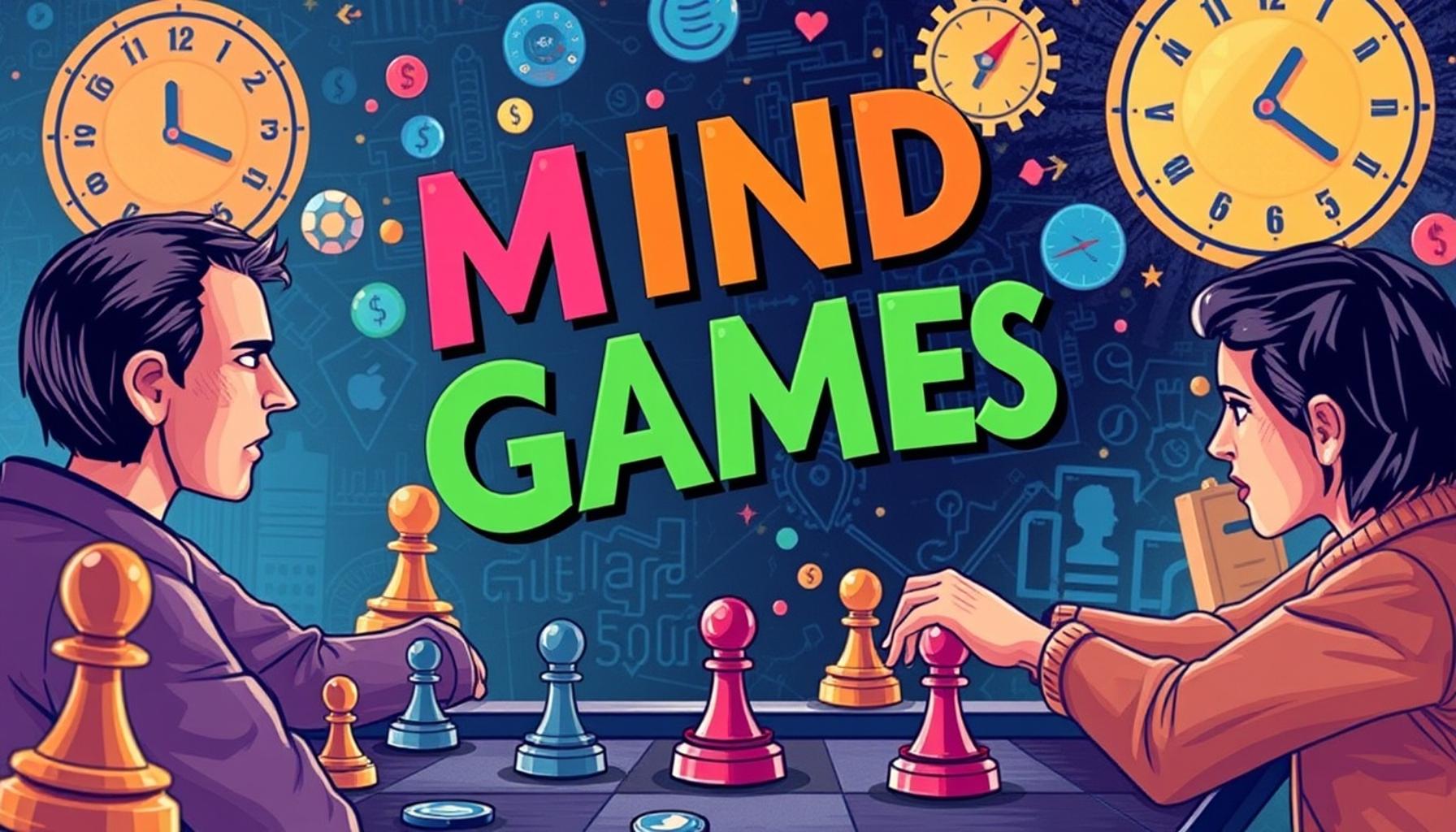
Exploring the Benefits of Strategy Games
In today’s fast-paced world, where instant gratification reigns supreme, strategy games stand as a beacon of thoughtful engagement. These unique mind games offer players not only a way to pass the time but also an opportunity to hone skills that can translate into various aspects of life. By immersing one’s self in intricate scenarios that require tactical planning and foresight, players embark on a journey of cognitive growth that is both enjoyable and rewarding.
Consider the various benefits that strategy games offer:
- Enhanced Problem Solving: Players confront complex dilemmas, whether it’s organizing a troop movement on a battlefield or managing resources in a city-building simulation. Each challenge faced requires innovative solutions, pushing players to think outside the box. For example, games like “Civilization” require extensive planning and foresight, as players must consider economic, military, and diplomatic strategies to succeed.
- Critical Analysis: The importance of every move in games like chess cannot be overstated. Each decision — from sacrificing a piece to setting up a gambit — can drastically alter the course of the game. This aspect fosters a level of awareness and strategic foresight that encourages players to weigh their options carefully before acting.
- Improved Concentration: The intensive focus required in games such as “StarCraft” and “Total War” serves as excellent practice for maintaining attention on tasks in real life. Players must quickly respond to changes on the field, mirroring the demands of a fast-paced work environment where agility and focus can lead to success.
Moreover, the realm of strategy games is vast, encompassing everything from timeless classics like chess and Go to modern board games and dynamic online strategy simulations. Titles such as “Settlers of Catan” encourage negotiation and resource management, while “Dota 2” and “League of Legends” test players’ strategic prowess in a team setting. Research indicates that engagement in these games enriches analytical thinking by promoting a mindset geared toward effective decision-making.
As individuals become engrossed in these intricate worlds, they cultivate skills that are not only applicable in gaming but are also transferable to real-life situations. For instance, a player who successfully navigates a virtual corporate merger in a simulation game can apply those same strategic skills when facing real-world business decisions. Whether it’s crafting a marketing campaign or devising a plan to resolve a workplace conflict, the analytical skills developed through gameplay are invaluable.
In essence, the cognitive benefits provided by strategy games contribute to shaping a generation of better thinkers, problem-solvers, and decision-makers. By investing time in these enriching experiences, individuals can unlock their potential in ways they never imagined. As we continue to explore the depths of strategy gaming, we invite you to join us in unveiling how these mind games can propel cognitive development and foster the skills necessary for success in multiple arenas of life.
The Mechanics of Strategic Thinking
At their core, strategy games are designed to challenge players’ thinking processes. The mechanics behind these games require not only intellectual engagement but also a nuanced understanding of various systems at play. Players must constantly assess their surroundings, predict opponents’ moves, and evaluate potential outcomes — an exercise that closely mirrors real-world analytical tasks.
Real-time feedback is a significant aspect of strategy games that enhances analytical thinking. Unlike passive forms of entertainment, these games require players to make quick decisions that yield immediate consequences. For instance, in games like “Age of Empires,” where players gather resources and build empires, each action taken can contribute to victory or defeat. This aspect of real-time engagement fosters a cycle of learning where players can refine their strategies based on outcomes and feedback.
Moreover, the varying levels of complexity in strategy games offer a spectrum of challenges that cater to players of all skill levels. Newcomers might start with straightforward games such as “Candy Crush Saga,” which encourages basic strategic thinking through its puzzle-like mechanics. As players gain experience, they can transition to more complex games like “Civilization VI,” which demand higher levels of analytical acumen. This transition allows players to evolve their critical thinking skills in a progressive manner.
Strategy games can be further categorized into two main types: turn-based and real-time strategy games. Understanding the distinctions between these types reveals deeper insights into how they cultivate analytical skills:
- Turn-based Strategy Games: In games like “XCOM” or “Civilization,” players have time to think through their decisions, encouraging a thoughtful analysis of different strategies and long-term planning. Players learn to anticipate future moves by considering all possible avenues available to them.
- Real-Time Strategy Games: Fast-paced environments like “StarCraft” and “Dota 2” demand quick thinking and adaptability. Players must adjust their strategies in response to opponents’ actions, which sharpens their ability to analyze situations on the fly and reinforces agile decision-making skills.
The diversity in game styles allows players to find the format that aligns best with their cognitive preferences, enabling them to engage with the material deeply. As players maneuver through intricate game mechanics, they cultivate an awareness of systems and patterns that support analytical capabilities.
Importantly, these cognitive shifts are not confined to the realm of gaming. The skills developed through strategy games resonate in academic environments, workplace scenarios, and everyday problem-solving situations. Research has shown that individuals who engage in strategy games exhibit improved performance in analytical tasks across various disciplines, highlighting the profound implications of investing time in these mind games.
As we delve deeper into the impact of strategy games on analytical thinking, the interconnectedness of gameplay mechanics and cognitive benefits will become increasingly apparent. This inherent relationship emphasizes the potential of strategy games as powerful tools for personal and intellectual growth, inviting players to transform the way they approach challenges in their lives.
Exploring the Benefits of Strategy-Based Games
Strategy-based games play an essential role in enhancing analytical thinking skills. As players engage in these challenging activities, they are not only entertained but also develop vital cognitive abilities. These games require players to make decisions, solve complex problems, and think critically about their moves. The immersive nature of these games allows for extensive practice in analyzing situations from multiple perspectives, thereby sharpening one’s ability to evaluate various possible outcomes.Furthermore, studies suggest that regular participation in strategy games enhances brain function by increasing mental agility and fostering creativity. Players often encounter scenarios that require balancing short-term gains with long-term strategies, a skill that is not only applicable in the gaming world but also in real-life situations. Developing such foresight can translate to better decision-making in personal and professional realms.Moreover, the social aspect of strategy-based games cannot be overlooked. Players frequently collaborate or compete with others, which introduces elements of teamwork and negotiation. These interactions further enhance communication skills and the ability to persuade, which are indispensable tools in everyday life.To highlight the benefits, here’s a concise table that summarizes key advantages of participating in strategy-based games:
| Category | Benefits |
|---|---|
| Cognitive Development | Enhances critical and analytical thinking skills through complex problem-solving |
| Social Interaction | Promotes teamwork and negotiation skills in multiplayer setups |
As players dive deeper into the world of strategy games, they unlock a treasure trove of skills that serve them well beyond the game board. The potential for personal growth in these areas is immense, fostering not only better strategists but also more analytical thinkers in our society.
The Influence of Social Interaction on Strategy Games
Another layer of complexity that enhances analytical thinking in strategic games is the element of social interaction. Many modern strategy games are designed to be played in multiplayer environments, where players must not only focus on their own tactics but also adapt their strategies based on the actions of others. This interaction transcends mere competition; it drives players to engage in negotiation, alliance-building, and psychological manipulation, simulating real-life scenarios that require strong analytical skills.
For example, in games like “League of Legends,” players must communicate with their teammates to adjust their approach dynamically as the game progresses. They need to discuss tactics, relay information about enemy positions, and execute complex maneuvers that often require split-second decisions. Research has demonstrated that such cooperative gameplay encourages deeper processing of information and enhances critical thinking skills through shared problem-solving experiences.
Additionally, the integration of online leaderboards and community interactions plays a significant role in boosting players’ analytical processes. With platforms like Steam or Twitch, players are motivated to analyze their own performance against others and learn from the strategies employed by top competitors. The ability to review games and dissect opponents’ moves fosters a culture of continuous improvement, encouraging players to adopt a more analytical mindset in their gameplay. As they encounter varied styles of play, they become adept at recognizing patterns and adapting their strategies accordingly.
Gamification of Learning Environments
The analytical benefits of strategy games have not gone unnoticed in educational settings, where educators are increasingly incorporating gamification elements into their curricula. Game mechanics are being utilized to encourage critical thinking, problem-solving, and creativity among students. For instance, educational games like “Kerbal Space Program” facilitate an understanding of physics and engineering principles through interactive play, allowing learners to experiment, fail, and ultimately succeed through strategic thinking.
Studies have shown that students who engage in strategy-based games demonstrate stronger analytical skills over time. According to a 2019 study published in the Journal of Educational Psychology, students who played strategic games regularly scored significantly higher on standardized tests in critical thinking and problem-solving than their non-gaming peers. The interactive nature of these games nurtures a culture of inquiry and experimentation, equipping students with vital skills necessary for the challenges of the modern workforce.
Adaptation and Resilience in Gaming
Furthermore, strategy games help players develop a strong sense of adaptation and resilience. As players encounter setbacks, whether through unexpected defeats or challenges faced during gameplay, they learn how to pivot their strategies and innovate under pressure. This adaptability can translate into real-life scenarios, where individuals must confront unforeseen obstacles and alter their approaches to problem-solving.
Take, for instance, games like “XCOM” that challenge players with the loss of key characters or resources. The need to reassess and redeploy forces fosters a mindset of resilience and creative thinking, prompting players to explore alternative solutions rather than succumbing to frustration. The development of such skills can benefit individuals in various professional fields, from engineering to marketing, where adaptability and analytical reasoning are crucial for success.
In summary, strategic games not only present engaging challenges but also offer a fertile ground for cultivating essential analytical skills. Through social interaction, educational integration, and the cultivation of resilience, players become adept thinkers, ready to face the complexities of contemporary life. As we further explore the significance of strategy-based games, the opportunities they provide for analytical growth continue to unfold, inviting players of all ages to embrace the power of mind games.
Conclusion: The Transformative Power of Strategy Games
In an era where critical thinking and adaptability are paramount, strategy-based games have emerged as valuable tools not just for entertainment but for skill development. These games foster analytical thinking through engaging mechanisms that challenge players to plan, execute, and evaluate their strategies while adapting to evolving situations and competitor actions. The infusion of social interaction in multiplayer settings amplifies this experience, pushing players beyond their cognitive limits to navigate complex challenges collaboratively.
The integration of these games into educational environments has further legitimized their role in cultivating essential skills. With programs leveraging gamification, educators are enhancing learning outcomes and nurturing a new generation of thinkers who can tackle problems creatively. As demonstrated by studies showing higher standardized test scores among students involved in strategy gaming, the benefits extend beyond the gaming realm into academic and professional success.
Moreover, the lessons learned from failure within these virtual spaces contribute to the development of resilience and a growth mindset, empowering players to face real-world challenges with confidence and creativity. As research continues to unravel the multifaceted advantages of strategy games on analytical thinking, the narrative surrounding them will likely evolve. Thus, embracing the power of mind games can open doors to new opportunities for learning, collaboration, and personal growth.
In summary, mind games are a catalyst for honing analytical abilities, encouraging a spirit of inquiry and adaptive problem-solving that is indispensable in today’s fast-paced world. Whether for leisure or education, engaging with strategy-based games may very well be one of the most impactful decisions individuals can make to sharpen their cognitive skills.

Beatriz
Beatriz Johnson is a seasoned puzzle enthusiast and writer with a passion for unraveling the complexities of mind games and brain teasers. With over a decade of experience in the world of puzzles, she specializes in topics like logic games, riddles, and strategic challenges. Through her work, Beatriz empowers readers to sharpen their problem-solving skills, think creatively, and stay engaged in the ever-evolving landscape of mind games and puzzles.