Strategic Board Games: How They Cultivate Critical Thinking in Players
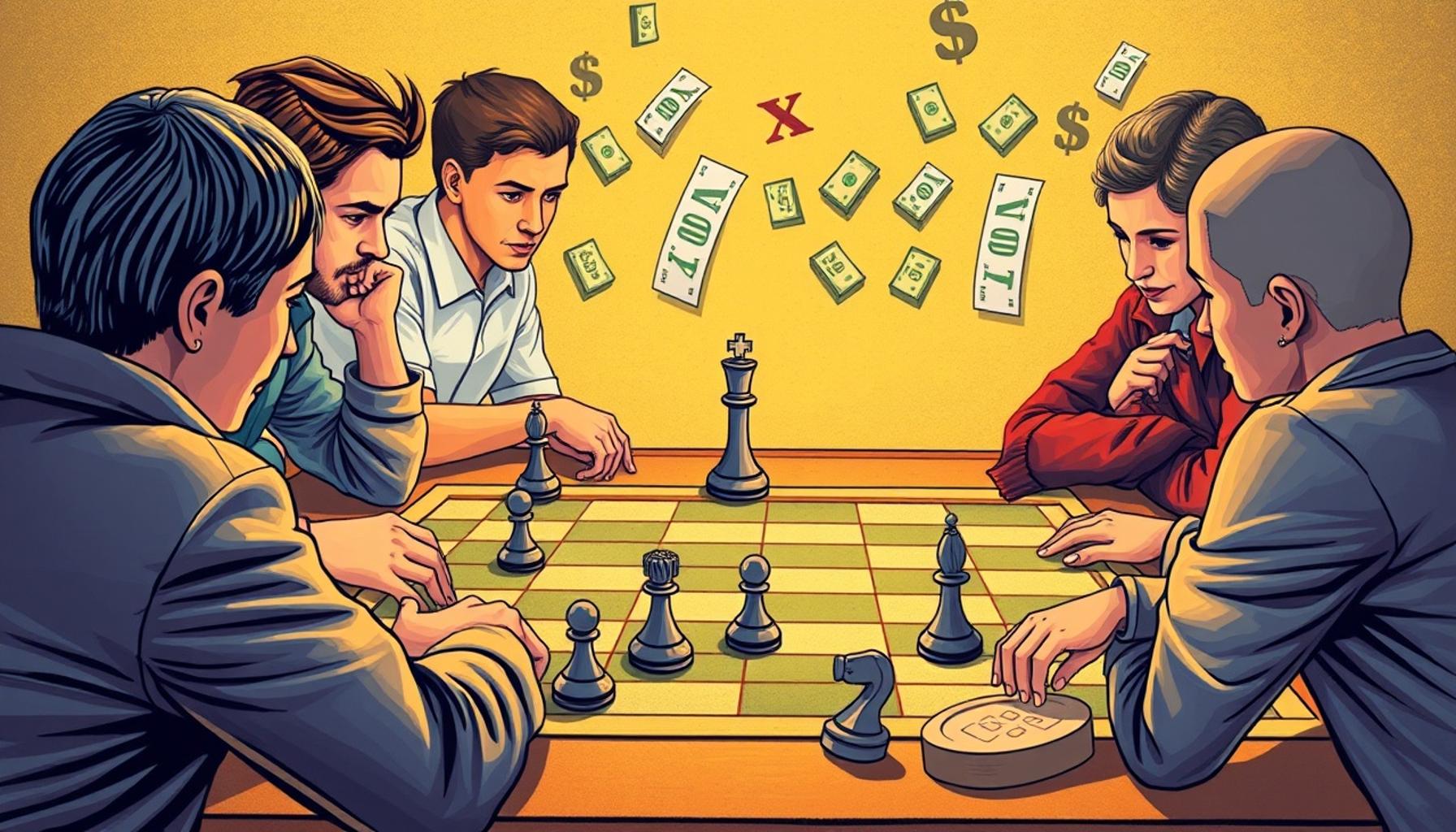
Unlocking the Mind: The Impact of Strategic Board Games
In a world dominated by quick fixes and instant gratification, strategic board games provide a refreshing return to thoughtful decision-making. These games engage players in a dynamic environment where each choice carries weight, fostering an opportunity for deep reflection and analysis. But what exactly makes these games a treasure trove for developing critical thinking skills?
The Essence of Strategic Thinking
Strategic board games challenge players to navigate complex scenarios using a variety of skills. Here are some key elements they cultivate:
- Problem-Solving: Players must devise solutions to overcome obstacles. For instance, in a game like Pandemic, players collaborate to find cures for diseases while managing limited resources and time. The necessity to think critically under pressure enhances problem-solving skills.
- Resource Management: Efficient use of limited resources is crucial for success. In Settlers of Catan, players must strategize while trading and building; the careful allocation of resources like wood, brick, and grain can determine victory or defeat.
- Anticipation: Players need to forecast opponents’ moves and adapt their strategies accordingly. In Chess, for example, anticipating an opponent’s strategy is vital, as each piece has its strengths and weaknesses that can turn the tide of the game.
Consider games like Chess, Settlers of Catan, and Risk. Each one presents unique challenges that require players to think several steps ahead. Chess, with its arrays of complex strategies and tactics, exemplifies the purest form of strategic thinking. Risk, on the other hand, teaches players about the complexities of global domination, emphasizing territory control and alliance building. These interactions hone vital cognitive abilities while providing an engaging and rewarding experience.
A Growing Community
As board game cafes and local game nights gain popularity across the United States, the community around strategic board games is flourishing. Events like Tabletop Day celebrate the joy of board gaming, fostering social interaction and community bonding. This resurgence emphasizes not only entertainment but also the valuable life skills imparted through play.
As players gather around the table, they engage in an enriching exercise that transcends mere enjoyment. Local gaming shops and online platforms are becoming hubs for enthusiasts, where players exchange strategies, share experiences, and connect with others who share their passion. This camaraderie enhances not only the enjoyment of the games but also the development of essential social skills, such as communication and teamwork.
In conclusion, the appeal of strategic board games goes beyond entertainment; they represent a unique blend of challenge and learning that develops critical thinking in a collaborative environment. As this genre of gaming continues to grow, its impact on personal development, cognitive skills, and community building cannot be overlooked.
Engaging the Mind: The Mechanics of Strategic Board Games
To fully appreciate the profound impact strategic board games have on player development, it is essential to delve into the mechanics that define these games. Unlike chance-based games where luck can dictate the outcome, strategic board games hinge on the player’s ability to think critically and make informed decisions. This emphasis on strategy translates into quantifiable benefits in real life, enhancing cognitive skills that are invaluable beyond the game board.
Critical Skills Enhanced Through Gameplay
Playing strategic board games requires the stimulation of various cognitive faculties. Below are some of the critical skills that are sharpened through dedicated gameplay:
- Analytical Thinking: Players are often faced with intricate situations that require breaking down complex issues into manageable parts. For instance, in 7 Wonders, players must analyze their cards and the potential outcomes based on the ever-changing strategies of their opponents.
- Decision-Making: Every turn in a strategic board game presents players with choices, each with potential consequences. In Ticket to Ride, players must decide how to build their railway routes, weighing immediate benefits against long-term strategy—a fundamental aspect of effective decision-making.
- Adaptability: The dynamic nature of these games means that players must be willing to adjust their strategies in response to evolving scenarios. The game Carcassonne exemplifies this, as players must adapt their tile placements based on the constantly shifting landscapes created by all participants.
As players funnel their creativity to develop strategies, they also learn to anticipate outcomes and risks associated with each action. Consider a complex game like Twilight Struggle, where players navigate the geopolitical tensions of the Cold War. This game teaches players about historical context, while simultaneously sharpening their strategic planning abilities and critical thinking skills.
Learning from Failure
Another significant aspect of strategic board games is the opportunity they provide for learning through failure. In these games, losing can often offer a wealth of insight as players analyze what strategies did not work and why. Understanding the reasoning behind a defeat fosters resilience and a mindset geared toward growth, essential qualities in both personal and professional life.
Research has shown that engaging in activities that promote failure as a learning experience can significantly enhance critical thinking skills. A report by the American Psychological Association suggests that educational environments that promote iterative learning—akin to board games where players continually refine their methods—lead to better problem-solving abilities. Strategic board games function as an informal yet effective platform for such experiences.
In summary, the multifaceted nature of strategic board games presents an engaging way to cultivate vital critical thinking skills. Through rich mechanics and the inherent necessity for strategic planning, players not only enjoy themselves but also engage in meaningful mental exercises that can impact various aspects of their lives long after the game has concluded.
| Advantages | Insights and Skills Developed |
|---|---|
| Enhanced Problem Solving | Players learn to analyze situations and make decisions under pressure, sharpening their problem-solving abilities. |
| Strategic Planning | Engagement with strategic board games fosters the ability to think ahead, anticipate opponents’ moves, and develop long-term strategies. |
| Collaboration and Teamwork | Many strategic games require working in teams, encouraging players to communicate effectively and coordinate actions. |
| Critical Analysis | Players are encouraged to evaluate the strengths and weaknesses of various approaches, enhancing their analytical skills. |
The world of strategic board games provides players with a unique platform to develop and refine their critical thinking skills. As enthusiasts immerse themselves in these games, they face challenges that necessitate enhanced problem-solving techniques and innovative strategies. This engagement is not merely recreational; it paves the way for stronger analytical capabilities and better decision-making processes, essential skills in both professional and personal contexts. By exploring scenarios where adaptable strategies yield better outcomes, players can cultivate valuable insights that transcend the game board, making a noticeable impact on their daily lives. Furthermore, these games often necessitate collaboration, where players must work together to achieve common goals, highlighting the importance of teamwork. Such experiences teach communication and facilitate a deeper understanding of group dynamics. When players analyze game strategies or adapt to opponents’ tactics, they inadvertently sharpen their critical thinking skills, preparing them for real-world challenges. The rich tapestry of strategic board games is woven with opportunities for development, urging players to delve deeper into the mechanics of thought and action.
The Social Dimension: Collaboration and Competition
In addition to the cognitive benefits, strategic board games play a pivotal role in fostering social interaction, which further reinforces critical thinking skills. These games often require players to communicate, negotiate, and collaborate with others, adding layers of complexity to the decision-making process. By exploring various social dynamics, players can refine their critical thinking capabilities through shared experiences.
Collaboration and Teamwork
Many strategic board games necessitate a degree of collaboration that enhances players’ ability to work within a team. Games like Pandemic, where players unite to combat a global health crisis, demonstrate that success is contingent upon effective communication and strategic alliances. This game challenges players to not only formulate their own strategies but also to consider the perspectives and ideas of their teammates. Understanding different viewpoints can deepen critical thinking as players evaluate the inherent complexities of shared goals.
Research indicates that teamwork in gaming environments cultivates important interpersonal skills that translate to real-world applications. A study by the National Center for Biotechnology Information found that individuals who often engage in cooperative games reported enhanced collaborative skills and improved problem-solving abilities. In a world where teamwork is essential in various professions, the lessons gleaned from cooperative board games could provide a significant advantage.
The Role of Competition
On the flip side, competition in strategic board games also serves a significant purpose in honing critical thinking skills. Engaging in competitive scenarios forces players to analyze their opponents’ strategies and adapt their own in real-time. For example, in a game like Chess, where each move can drastically alter the outcome, players must think several steps ahead, predicting their opponent’s potential responses. This high-stakes decision-making process cultivates foresight and sharpens analytical abilities.
Furthermore, competition provides a platform for players to evaluate risks vs. rewards. In games such as Catan, players must make strategic decisions regarding resource management and trading while anticipating others’ moves. Recognizing the balance between aggressive competition and conservative play can lead to the development of sophisticated strategic mindsets applicable beyond the game board.
Building Empathy and Emotional Intelligence
The competitive and collaborative elements of strategic board games also foster emotional intelligence and empathy. As players engage in discussions that require understanding each other’s motivations and emotions, they develop skills that enhance their ability to read social cues and respond appropriately. This aspect of gameplay can refine critical thinking by allowing an individual to comprehend the emotional landscape and strategize accordingly. Emotional intelligence, often linked to success in professional settings, is thereby cultivated through playful interactions.
Moreover, the ups and downs of gameplay can instill a sense of humility and respect for others, essential traits in any competitive landscape. Players learn to cope with the disappointment of loss and share the joy of victory, thereby furthering their understanding of the human experience, which in turn enriches their critical thinking skills.
In summary, the social dynamics involved in playing strategic board games provide a fertile ground for critical thinking to flourish. By navigating through the nuances of collaboration and competition, players not only enhance their strategic acumen but also equip themselves with skills that are indispensable in personal and professional spheres. As they navigate different scenarios—both cooperative and competitive—players find opportunities to sharpen their thinking, adapt to various social situations, and develop empathy, reinforcing the multifaceted benefits of strategic board games in enhancing critical thinking.
Conclusion: The Strategic Advantage of Critical Thinking Development
As we have explored, strategic board games offer far more than mere entertainment; they serve as powerful tools for cultivating critical thinking skills. The engaging dynamics of collaboration and competition challenge players to sharpen their analytical prowess while enhancing communication and interpersonal skills. Games like Pandemic and Chess exemplify the depth of strategic thinking required, teaching valuable lessons in foresight, resource management, and adaptability.
The intersection of strategic thought with social interaction creates a unique environment for players to develop emotional intelligence and empathy. By navigating the complexities of human emotions and group dynamics during gameplay, individuals gain a deeper understanding of themselves and others. This multifaceted approach not only enriches the gaming experience but also equips players with vital skills that transcend the game board and apply to real-world challenges.
As we move forward in an increasingly complex world, the ability to think critically and strategically is essential. Engaging in strategic board games can provide an enjoyable and effective way to enhance these skills. Whether you are fostering teamwork in a corporate setting or deepening connections with friends and family, embracing these games can lead to lasting benefits. In essence, every round played is not just a contest of wits, but a step towards becoming a more adept thinker, collaborator, and leader. So gather your fellow gamers, strategize, and unlock the potential that lies within both the game and yourself.

Beatriz
Beatriz Johnson is a seasoned puzzle enthusiast and writer with a passion for unraveling the complexities of mind games and brain teasers. With over a decade of experience in the world of puzzles, she specializes in topics like logic games, riddles, and strategic challenges. Through her work, Beatriz empowers readers to sharpen their problem-solving skills, think creatively, and stay engaged in the ever-evolving landscape of mind games and puzzles.