The Power of Sudoku: Cultivating Critical Thinking through Number Puzzles
The Mental Benefits of Sudoku
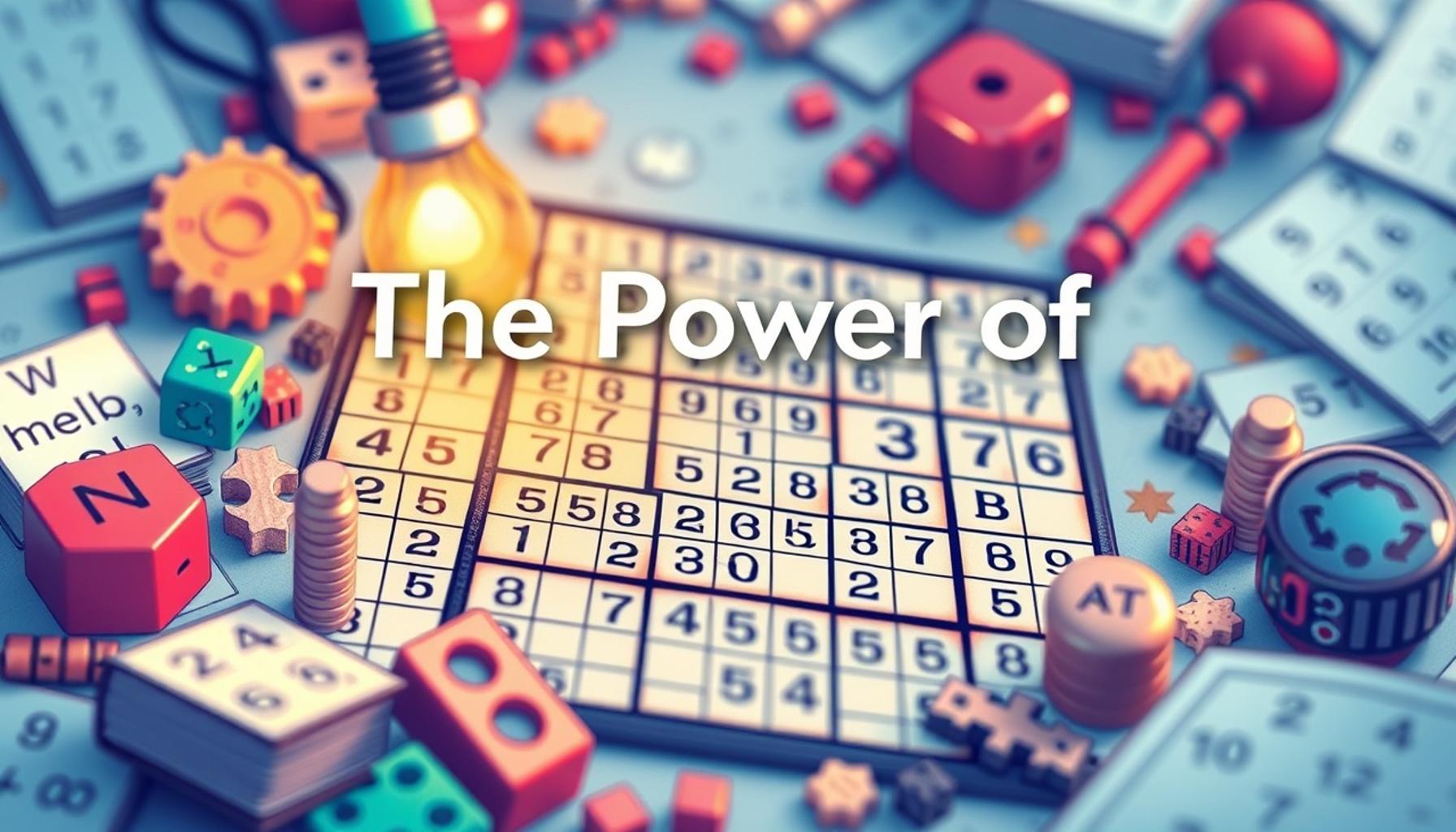
Sudoku, a number puzzle captivating millions, goes beyond mere entertainment to unlock essential cognitive skills. This popular game is more than just filling in numbers; it is a fascinating exercise for the brain, sharpening critical thinking skills and honing one’s problem-solving abilities. As players engage with grids filled with numbers, they embark on a journey that challenges their reasoning and enhances mental agility.
What makes Sudoku so effective in cultivating critical thought? Let’s delve into its remarkable benefits:
- Enhanced Problem-Solving: Each Sudoku puzzle presents a unique challenge, compelling players to strategize and methodically deduce placements. For instance, encountering a 9 in a row can prompt players to eliminate that number from other cells, highlighting the logical process of elimination and strategic planning.
- Increased Concentration: Successfully completing a Sudoku puzzle demands intense focus. As players attempt to fill in cells with the right numbers, they develop their attention spans. Engaging with puzzles regularly can help improve concentration skills not just in gaming but also in studying or professional environments.
- Cognitive Flexibility: Sudoku teaches players to switch between various strategies. For example, a player may initially approach a puzzle with a straightforward method before realizing that a complex pattern is needed to progress. This adaptability enhances problem-solving skills across different scenarios.
Sudoku has found its way into almost every corner of the United States—from daily newspaper sections to dedicated apps and books filled with puzzles. This cross-generational appeal captures the attention of schoolchildren eager to enhance their math skills and retirees looking to keep their minds sharp. The format of Sudoku puzzles can vary widely, from simple 4×4 grids for beginners to intricate 16×16 designs for experts, ensuring that everyone can find a suitable challenge.
Moreover, studies indicate that regularly engaging with puzzles like Sudoku may confer long-term cognitive benefits. Data suggests that people who frequently challenge themselves with such brain games might experience a slower decline in cognitive function as they age. This connection between mental exercises and cognitive longevity should spark the curiosity of anyone looking to maintain their mental health.
In essence, the world of Sudoku is not just a pleasurable pastime; it serves as a powerful tool to enhance critical thinking and cognitive skills. With its engaging format and extensive reach, Sudoku continues to be a compelling option for individuals aiming to stimulate their minds and engage in meaningful mental activity.
Unlocking Cognitive Skills through Sudoku
As the digital age continues to bombard us with endless streams of information, the ability to think critically has never been more essential. One engaging way to bolster these vital skills is through the captivating game of Sudoku. This seemingly simple number puzzle challenges the brain while providing an unparalleled opportunity for mental growth. Understanding how Sudoku nurtures critical thinking presents an intriguing vista of cognitive development that merits exploration.
At its core, Sudoku requires players to engage in logical reasoning and analytical thought. Each grid presents its unique challenge, compelling players to think several steps ahead as they make decisions based on the current state of the board. Players must often consider multiple possibilities, weighing the consequences of each number placement as they strive for a solution. This dual-layered challenge not only entertains but simultaneously builds essential skills in deductive reasoning.
The Dynamic Strategy of Sudoku
Competing against oneself, some players may find it beneficial to develop personalized strategies to conquer Sudoku puzzles. The process begins with familiarization with various techniques, such as:
- Scanning: This basic strategy involves looking at rows, columns, and boxes to deduce which numbers can go in specific cells.
- Cross-Hatching: A technique where players eliminate potential number placements by systematically isolating sections of the grid.
- Advanced Techniques: As players grow more confident, they may explore complex strategies like X-Wing or Swordfish, which require a deeper understanding of the interactions between numbers.
Ultimately, players must adapt their tactics to navigate varying levels of difficulty. The cognitive flexibility required in switching between strategies enhances the player’s problem-solving abilities, fostering a mindset that can tackle complex issues outside the realm of gaming.
Additionally, the benefits of Sudoku extend beyond the immediate thrill of solving a puzzle. Research indicates that engaging in mentally stimulating activities like Sudoku can help maintain cognitive health. A study published in the journal Neurology suggests that regular participation in brain games might correlate with a slower rate of cognitive decline in older adults. This finding underscores the value of making Sudoku a staple in one’s daily routine, potentially offering long-term benefits for mental acuity.
In a world where cognitive challenges seem to multiply at an alarming rate, Sudoku stands out as a delightful yet impactful approach to cultivating critical thinking. From enhancing problem-solving skills to bolstering concentration, the journey through Sudoku grids offers a treasure trove of cognitive development opportunities for individuals of all ages.
| Advantages of Sudoku | Impact on Critical Thinking |
|---|---|
| Enhances Problem-Solving Skills | Promotes analytical thinking and creative solutions. |
| Boosts Memory Retention | Strengthens working memory through engaging number patterns. |
| Fosters Incremental Learning | Encourages continuous improvement and resilience in the face of challenges. |
| Increases Focus and Concentration | Sharpens attention span crucial for cognitive development. |
Sudoku is not merely a pastime; it is a powerful tool that nurtures critical thinking skills among enthusiasts of all ages. Each puzzle presents a unique challenge, demanding an intricate blend of logic, strategy, and foresight. As players engage with numbers, they are compelled to devise methods to solve increasingly complex patterns, which directly contributes to honing their analytical abilities.Moreover, the process of filling in Sudoku grids strengthens memory retention. Players must hold numerous combinations in their minds while simultaneously predicting and evaluating potential placements. This repetitive mental exercise enhances their cognitive functions, proving that fun and learning can indeed go hand in hand. As one tackles various levels of difficulty, Sudoku advocates for resilience, as each mistake becomes a stepping stone toward improved performance. By enhancing focus and requiring a sustained level of concentration, Sudoku creates a conducive environment for cognitive development. As individuals immerse themselves in solving puzzles, they cultivate an appreciation for structure, discipline, and the satisfaction of unfolding complex difficulties—an experience that extends far beyond the game itself. In embracing the challenge of Sudoku, the player opens the door to a world where numbers foster thinking skills essential for personal and academic achievements.
Enhancing Cognitive Resilience through Sudoku
Beyond its immediate engagement, Sudoku serves as a pivotal tool for cultivating cognitive resilience. As players dive deeper into solving puzzles, they inevitably encounter failures and setbacks. For instance, a misplaced number can lead to a dead end, forcing players to backtrack and reassess their previous placements. This iterative problem-solving process is crucial in cultivating a mindset geared towards overcoming challenges. Instead of succumbing to frustration, consistent practice of Sudoku encourages individuals to embrace mistakes as learning opportunities, thereby enhancing their mental fortitude.
According to a study conducted by the University of Exeter, regular participation in brain-training games like Sudoku can boost overall cognitive flexibility. Cognitive flexibility is defined as the ability to switch between thinking about different concepts or to think about multiple concepts simultaneously. This skill is essential not only in playful scenarios but also in real-world contexts, as it enhances the ability to adapt to changing circumstances and manage complex tasks. Players become adept at reevaluating their initial thought processes and learning how to approach problems from varying angles.
Sudoku as a Social Connector
Sudoku transcends individual play, offering a unique opportunity for social interaction. In the United States, numerous clubs, cafes, and online platforms have emerged that focus on collaborative Sudoku solving. These gatherings foster a community spirit around problem-solving, encouraging participants to share strategies, compare techniques, and discuss various approaches. Engaging with others through Sudoku can enhance one’s understanding of the game while simultaneously honing critical thinking skills through social discourse.
Moreover, this communal aspect of Sudoku aids in reasoning and argumentation. As players articulate their thought processes and strategies to fellow enthusiasts, they refine their ability to communicate complex ideas clearly and logically. The collaborative environment challenges individuals to defend their reasoning, fostering an atmosphere where critical thinking flourishes through discussion and debate.
Furthermore, educational initiatives have recognized the advantages of integrating Sudoku into school curricula. Teachers across the nation are utilizing Sudoku to engage students, reinforcing mathematical concepts while simultaneously promoting logical reasoning and analytical thinking. One pilot program in California reported impressive results, noting significant improvements in students’ problem-solving capabilities, attention spans, and overall academic confidence. This innovative application demonstrates how Sudoku can cultivate critical thinking not just in casual players but also in the next generation of thinkers.
As technology continues to shape our world, the profound benefits of traditional puzzles like Sudoku remain steadfast. Engaging with these number games not only serves as a brain workout but also fortifies vital skills necessary for navigating a complex, rapidly changing society. From enhancing problem-solving capabilities to providing social connectivity and educational enrichment, Sudoku stands as a versatile tool in developing critical thinking abilities across diverse audiences. As players immerse themselves in this stimulating journey, they ultimately equip themselves with the tools needed to tackle life’s multifaceted challenges with confidence and creativity.
Conclusion: Embracing the Challenge of Sudoku
In a world increasingly defined by rapid change and complexity, the role of traditional pastimes such as Sudoku cannot be overstated. This seemingly simple number puzzle is a remarkable vehicle for cultivating critical thinking, offering benefits that extend well beyond the grid. With its inherent challenges, Sudoku encourages players to develop a resilient mindset, fostering an ability to face obstacles head-on while learning from missteps.
Moreover, the cognitive advantages gained through consistent engagement with Sudoku—such as enhanced cognitive flexibility and improved problem-solving skills—underscore its significance not only for individual players but also as a communal activity. As more clubs and groups form across the United States to solve puzzles collaboratively, the social dimension of Sudoku further enriches the experience, encouraging open dialogue and creative thought.
Educational institutions are also recognizing the promise of Sudoku as a tool for enhancing mathematical understanding and logical reasoning among students. By integrating Sudoku into curricula, educators are equipping the next generation with vital skills that are crucial in both academic and real-life scenarios.
Ultimately, the true power of Sudoku lies in its ability to engage minds, strengthen reasoning skills, and foster a sense of community. As individuals and groups continue to explore this captivating puzzle, they are not merely filling in squares; they are embarking on a journey of growth, discovery, and the cultivation of essential life skills. So pick up a pencil, dive into the challenge, and unlock the potential that lies within each Sudoku grid.

Beatriz
Beatriz Johnson is a seasoned puzzle enthusiast and writer with a passion for unraveling the complexities of mind games and brain teasers. With over a decade of experience in the world of puzzles, she specializes in topics like logic games, riddles, and strategic challenges. Through her work, Beatriz empowers readers to sharpen their problem-solving skills, think creatively, and stay engaged in the ever-evolving landscape of mind games and puzzles.