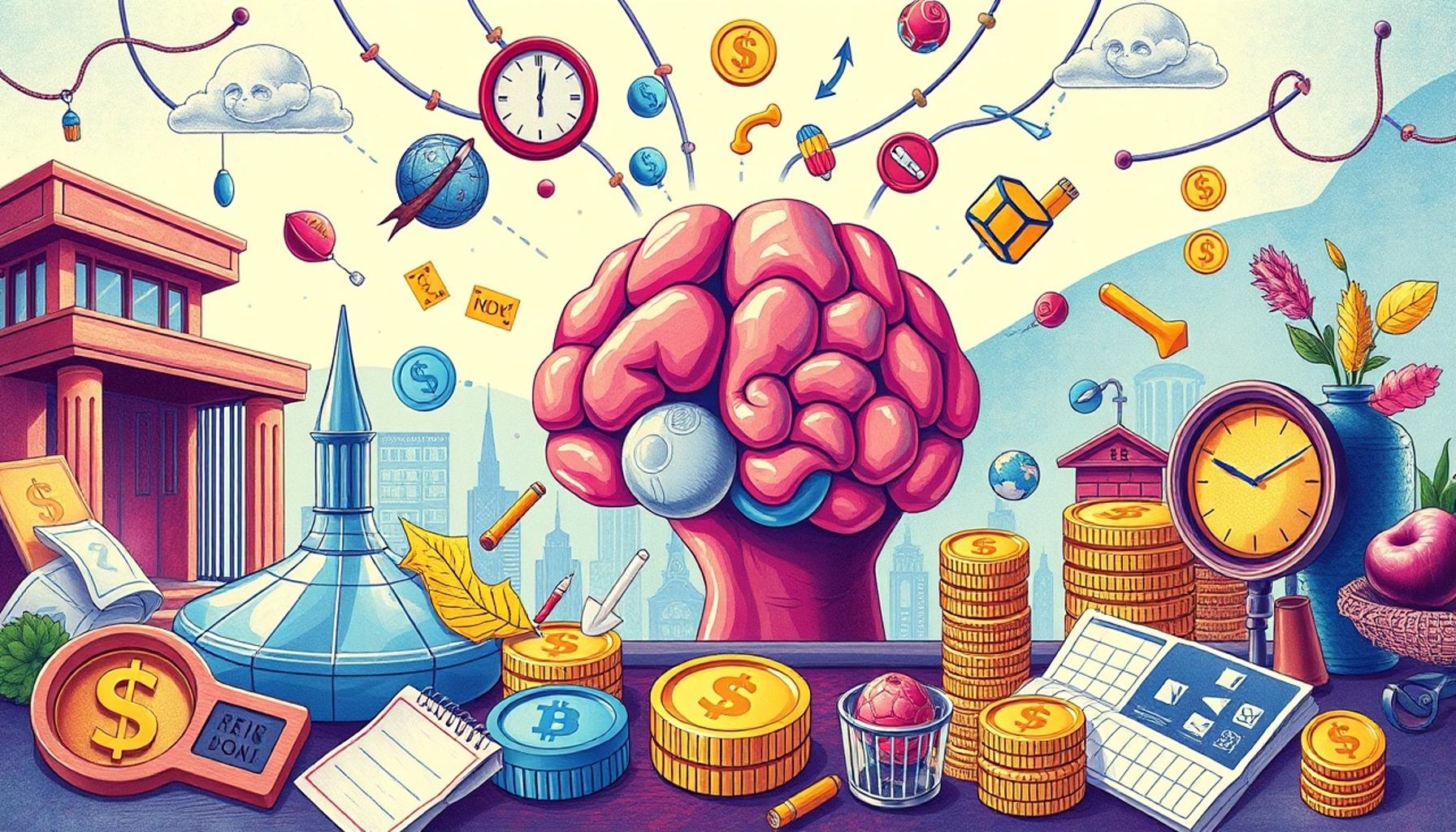
The Impact of Time Pressure on Problem Solving in Competitive Puzzle Games

Time Pressure in Puzzle Gaming
In an age where entertainment options are abundant, competitive puzzle games have carved out a prominent niche, attracting players of all ages and skill levels. The inclusion of time constraints in these games intensifies the excitement, often transforming standard gameplay into a thrilling race against the clock. This dynamic not only challenges players’ problem-solving abilities but also influences their emotional state and strategic thinking.
Increased Anxiety
The relentless ticking of a timer can exponentially increase anxiety among players. This heightened emotional state can lead to various responses, impacting performance. For example, in the high-stakes environment of a Sudoku tournament, competitors may find themselves becoming increasingly overwhelmed, which can impair their focus and lead to hasty errors. Research has shown that while some players thrive under pressure, others may succumb to performance anxiety, undermining their chances of success.
Strategic Changes
When the clock is ticking, players often feel compelled to adjust their strategies. The urgency of time pressure leads some individuals to adopt riskier approaches. In match-three games, for instance, rather than meticulously planning their moves, players might choose to make quick swaps to clear the board, which can result in both spectacular combos and costly blunders. This duality highlights a fundamental shift in decision-making processes — one that prioritizes speed over caution.
Cognitive Load
The interplay between time constraints and cognitive load is another critical aspect. Research indicates that the brain can only handle a certain amount of information at once, and when faced with limited time, this capacity is often stretched to its limits. As a result, players may struggle with maintaining clarity of thought, which can lead to suboptimal choices. In timed challenges, particularly among novice players, this can manifest as simple mistakes, such as miscalculating movements or overlooking potential moves altogether.
Interestingly, similarities can be drawn between competitive puzzle games and real-world scenarios, such as exam settings or emergency situations, where timely decision-making is crucial. Just as athletes train under pressure to enhance their performance during competitions, gamers can also benefit from practice in timed environments, potentially improving their composure and decision-making skills. Engaging with these pressures can elevate a player’s overall gaming experience, turning them into more resilient competitors.
As we navigate the intricacies of how time pressure affects gameplay, it becomes clear that these phenomena differ significantly between skilled and inexperienced players. Insights into these dynamics not only enrich our understanding of player psychology but also open avenues for developing tailored strategies that can enhance performance across the spectrum of players. By appreciating the nuanced interactions between time pressure and cognitive processing, both casual gamers and serious competitors can refine their techniques and approach the challenge of puzzle games with newfound confidence and skill.
The Psychological Effects of Time Constraints
Understanding the psychological effects of time pressure reveals much about how players navigate the complex landscape of competitive puzzle games. As players engage in timed challenges, their ability to process information is significantly altered. Studies suggest that the brain’s response to stress can affect memory recall and critical thinking skills, both of which are essential for solving puzzles efficiently. This phenomenon is not only relevant in gaming but also in everyday scenarios like workplace problem-solving and academic testing.
Stress and Performance: A Double-Edged Sword
Time pressure can have a paradoxical effect on performance. While some players find that the urgency helps to sharpen their focus, others may experience stress-induced performance dips. In puzzle competitions such as those hosted by the American Crossword Puzzle Tournament, participants often face intense pressure, leading to a range of reactions:
- Enhanced Focus: For some, the adrenaline rush spurs innovative solutions, driving players to think outside the box.
- Increased Errors: Conversely, the excitement can lead to careless mistakes, particularly among less experienced players.
- Emotional Distraction: Heightened anxiety may distract players from strategizing effectively, thereby clouding judgment.
This delicate balance illustrates why fostering a good mindset is crucial before engaging in competitive play, especially in high-pressure environments.
Temporal Decision Making
When faced with a ticking clock, players often make split-second decisions that can dramatically change the game’s outcome. The availability of time influences players’ decision-making processes, often skewing them towards immediate gratification over long-term strategy. This is especially vivid in fast-paced games like Tetris, where every rotated piece counts against the clock.
The outcome of a puzzle-solving scenario may hinge on players’ ability to adapt their strategies in real time. Limited time can push players to prioritize immediate moves over calculating the best long-term strategy, creating a psychological battle between speed and precision. As players become more accustomed to time limits, they often learn to develop intuition about their choices, allowing them to act swiftly without losing strategic clarity.
Examining these psychological effects also opens the door to the larger questions surrounding resilience and skill mastery in competitive puzzle gaming. The ability to remain calm under pressure is not only crucial for achieving high scores but can also translate to valuable real-world skills. In essence, learning to harness time pressure can pave the way for personal growth, shaping players into confident problem-solvers not only within games but in various aspects of their lives.
The Psychological Aspects of Time Pressure
In competitive puzzle games, time pressure significantly influences the psychological state of players. When faced with a ticking clock, many individuals experience heightened stress levels, which can impact decision-making and performance. Research indicates that while some players thrive under such conditions, using adrenaline to enhance focus and creativity, others may falter, leading to increased mistakes and erroneous strategies. Moreover, the ability to manage cognitive load becomes crucial during these time-sensitive scenarios. Players must balance the demand for quick thinking against the need for thoroughness, often experiencing a tug-of-war between their instinctual decisions and thoughtful analysis. This competition between speed and accuracy can lead to varied outcomes; some puzzles may become significantly easier for players who can adapt their strategies under pressure, demonstrating the complex relationship between stress and problem-solving skills.
The Role of Experience and Skill Level
The impact of time pressure on problem-solving also varies widely with players’ experience and skill levels. Seasoned players tend to develop strategies specific to high-pressure environments, allowing them to remain calm and focused while tackling complex puzzles efficiently. In contrast, novice players may struggle to make rapid decisions, often succumbing to anxiety and indecisiveness.Integrating these experiences, competitive puzzle game design often incorporates adaptive difficulty mechanisms to balance player experience. This feature adjusts the challenge level based on how players respond to time constraints, facilitating skill development while maintaining engagement. Observing how players navigate these conditions can provide valuable insights into not only gaming strategies but also broader cognitive processes applicable beyond the gaming world.
Strategies to Enhance Performance under Time Constraints
Understanding the nuances of time pressure can lead to the development of effective strategies for improving performance in competitive puzzle games. Players are often advised to practice “chunking,” a method that involves breaking down complex information into manageable units, allowing for quicker processing. Additionally, simulation of time-pressured environments during practice can help players acclimate, enhancing both speed and confidence. Furthermore, consistent exposure to time-limited puzzles can foster a sense of familiarity, which may translate to improved performance in actual competitive settings. By tapping into these psychological and cognitive strategies, players can optimize their skills and become adept at problem-solving, irrespective of the challenges posed by time constraints. As players continue to engage with these games, the interplay between time pressure and cognitive techniques remains a fertile ground for exploration, offering exciting possibilities in both gaming and cognitive science fields.
Cognitive Strategies Under Time Constraints
The impact of time pressure on problem-solving in competitive puzzle games extends into cognitive strategies employed by players. When faced with the ticking clock, players often shift their approach to solving puzzles, relying on heuristics or mental shortcuts instead of thorough analytical thinking. This adaptation can lead to quicker solutions, but it also poses the risk of oversights and errors.
Heuristics in Action
Heuristics are invaluable tools in time-pressured environments. They allow players to make decisions rapidly without needing to evaluate every possible option. For example, in games like Sudoku and logic puzzles, players may develop specific patterns or rules that help them fill in squares under duress. Research suggests that successful puzzle solvers often rely on these learned heuristics, which can dramatically speed up their performance. However, this strategy carries inherent risks; reliance on heuristics can lead to biases, resulting in incorrect solutions, especially if the puzzles deviate from typical patterns.
Balancing Speed with Problem Complexity
Another fascinating aspect of cognitive strategy under time constraints is the complexity of the puzzle in relation to time pressure. Players are faced with a constant balancing act: how to maximize speed without sacrificing thoroughness. In fast-paced games, players must quickly assess the puzzle’s complexity and determine the best course of action. An effective strategy for experienced players often involves rapid risk assessment—identifying which elements of the puzzle are most likely to lead to success, even if it means bypassing certain options that require more time to evaluate.
For instance, in competitive settings like the World Puzzle Championship, the puzzle difficulty is often designed to challenge participants under time pressure. Many players find themselves switching strategies mid-game as the complexity of the puzzles reveals itself, showcasing their adaptability. This flexibility in approach is a critical skill developed through experience, demonstrating how players respond not just to the countdown but also to how intricate the problems at hand become.
Learning to Cope with Time Pressure
Research in the field of psychology highlights the benefits of learning to cope with time pressure. Players who regularly engage in competitive puzzle games develop a unique set of skills that can enhance their overall cognitive abilities. Engaging with time constraints fosters a growth mindset, encouraging players to view challenges as opportunities for improvement rather than obstacles. As they face recurrent time challenges, their confidence grows, and they become more adept at navigating pressure-laden environments.
Additionally, these experiences may equip players to handle real-life stressors more effectively. Skills honed in competitive puzzle games often translate to improved performance in various domains, including academic pursuits and professional challenges. The ability to quickly analyze situations, make informed decisions, and remain calm under pressure can lead to a marked improvement in problem-solving abilities outside of gaming contexts.
Ultimately, understanding how time pressure affects cognitive strategies in puzzle games not only enriches our appreciation for these mental contests but also underscores the broader implications for learning and development in fast-paced situations.
Conclusion: Navigating the Clock in Competitive Puzzle Solving
The exploration of time pressure in competitive puzzle games reveals a complex interplay between cognitive strategies and performance outcomes. As players race against the clock, their ability to adapt and innovate becomes paramount. The reliance on heuristics—mental shortcuts cultivated through experience—enables faster decision-making, but it also invites the risk of errors due to oversights. Striking a balance between speed and problem complexity emerges as a pivotal challenge, requiring players to rapidly adjust their tactics as they confront varying levels of difficulty.
Moreover, the emotional and psychological aspects tied to time constraints cultivate resilience and foster a growth mindset. Regular engagement in these high-pressure environments not only enhances puzzle-solving abilities but also equips players with skills that transcend the gaming realm, improving performance in academic and professional contexts. This capacity to remain calm under pressure and make informed decisions can manifest as a significant advantage in everyday life.
Ultimately, understanding the impact of time pressure on problem-solving in competitive puzzle games not only enriches our appreciation for these challenging mental contests but also highlights valuable lessons in adaptability and critical thinking. As players navigate the tension between urgency and accuracy, they exemplify how the ability to thrive in fast-paced situations can inform success in a multitude of arenas beyond gaming. With ongoing research and increasing participation in such puzzles, the nuances of time pressure remain an inviting frontier for future exploration.

Beatriz
Beatriz Johnson is a seasoned puzzle enthusiast and writer with a passion for unraveling the complexities of mind games and brain teasers. With over a decade of experience in the world of puzzles, she specializes in topics like logic games, riddles, and strategic challenges. Through her work, Beatriz empowers readers to sharpen their problem-solving skills, think creatively, and stay engaged in the ever-evolving landscape of mind games and puzzles.