Unlocking Creativity Through Mind Games: Innovative Approaches to Problem Solving
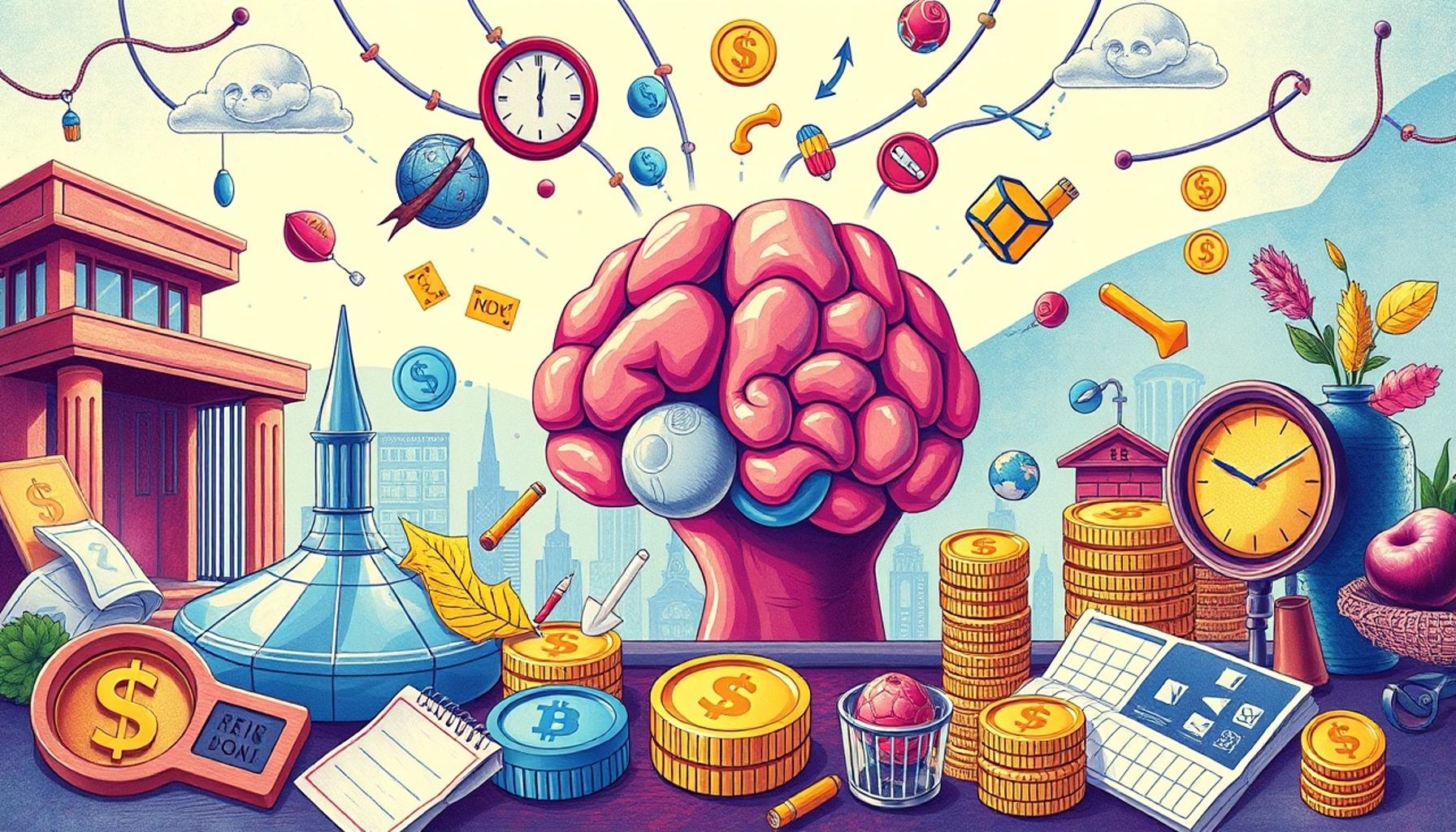
The Intriguing Influence of Mind Games on Creativity
In a world where innovation reigns supreme, leveraging the power of mind games offers individuals and organizations a strategic advantage. By challenging our brains through stimulating activities, we not only enhance our cognitive abilities but also pave the way for groundbreaking ideas and solutions. Engaging with mind games can stimulate our mental faculties in several transformative ways.
Enhances Cognitive Flexibility
One of the most significant benefits of playing mind games is that they enhance cognitive flexibility. This ability allows us to adapt our thinking and switch between different concepts, which is crucial in navigating the complexities of modern life. For instance, when playing a strategic board game like Settlers of Catan, players must continuously adjust their strategies based on the actions of others, fostering a habit of thinking outside traditional boundaries. This flexibility is essential not only in games but also in real-world problem-solving scenarios.
Stimulates Brain Activity
Engaging in puzzles and brain teasers does more than just entertain—it actively stimulates various regions of the brain. Research has shown that activities like Sudoku, crosswords, and logic puzzles can lead to increased cognitive function, promoting better memory and improved processing speed. For example, the popular app Lumosity offers a multitude of brain training exercises that target different cognitive skills, ensuring that players can enjoy a challenging workout for their minds while tracking their progress over time.
Inspires Collaboration
Many mind games are designed to be played collaboratively, emphasizing teamwork and collective problem-solving. Escape rooms, for instance, are a prime example where players must work together to decipher clues and escape within a time limit. Such experiences not only foster creativity but also build essential team dynamics and communication skills. Research highlights that environments that encourage collaboration often lead to greater innovation and more diverse perspectives, ultimately enriching the team’s creative output.
Popular Mind Games to Explore
- Escape Rooms: These experiences immerse participants in themed scenarios, requiring creativity and strategic thinking to solve complex challenges.
- Board Games: Games such as chess and Risk promote critical thinking and strategic foresight, teaching players to anticipate and react to their opponents’ moves.
- Online Brain Teasers: Platforms like BrainBashers and BrainBrew offer a plethora of interactive challenges, engaging users in critical thinking exercises that can be enjoyed individually or socially.
By embracing mind games, individuals and teams can unlock new avenues of creativity, enhancing not only their personal growth but also their professional success. As we continue to explore the profound impact these games have on our cognitive capabilities, the potential for innovative solutions and ideas becomes limitless. So the next time you find yourself in need of inspiration, consider reaching for a puzzle or gathering friends for a game night—it might just be the key to unlocking your next great idea.
Exploring the Synergy Between Mind Games and Creative Thinking
The synergy between mind games and creativity transcends mere entertainment, emerging as a dynamic catalyst for innovative thought. Delving into various types of mind games reveals that they not only challenge our mental prowess but also unlock the creativity necessary for effective problem-solving. Understanding how these games influence our cognitive architecture is crucial for those aiming to enhance their creative capabilities.
Breaking Down Cognitive Barriers
Mind games have a unique ability to break down cognitive barriers that often hinder creative thought. Activities like improv games encourage participants to think on their feet and embrace spontaneity, fostering an environment where unconventional ideas can flourish. The improvisational nature of such games helps players step outside their comfort zones, where innovation often takes root. Research supports this notion, suggesting that embracing ambiguity and uncertainty can lead to higher creative output.
Enhancing Focus and Concentration
Many mind games demand acute focus and concentration, engaging players in their task at hand and allowing for deeper exploration of ideas. Games such as chess require players to maintain attention for extended periods, enhancing their ability to concentrate—an essential component of the creative process. Studies indicate that regular engagement with focus-intensive activities not only strengthens mental endurance but also cultivates an environment where new ideas can emerge organically.
Fostering a Growth Mindset
Engaging with mind games can also promote a growth mindset, the belief that abilities and intelligence can be developed through dedication and hard work. Players quickly learn that each defeat in a game provides an opportunity for improvement and learning. This outlook is crucial for creative growth, as it allows individuals to view failures as stepping stones rather than roadblocks. By reshaping our approach to challenges and viewing them as chances to innovate, mind games can empower us to navigate problem-solving with renewed vigor.
Diverse Types of Mind Games Worth Trying
- Puzzle Games: Jigsaw puzzles and 3D brain teasers encourage spatial reasoning and visual problem-solving skills.
- Trivia Challenges: Engaging in trivia quizzes enhances knowledge recall and quick thinking while also being a fun social activity.
- Role-Playing Games: These games require players to adopt different personas, stimulating creativity through storytelling and collaborative decision-making.
By integrating mind games into daily routines—whether individually or in teams—individuals can significantly enhance their creative capabilities. This intentional engagement with stimulating activities not only enriches our mental experience but also lays a robust foundation for innovative thought. As we continue to uncover the profound impact of these games on problem-solving, one thing remains clear: they serve as an essential tool to transform our creative processes and discover inventive solutions to life’s challenges.
| Games for Cognitive Growth | Benefits and Features |
|---|---|
| Puzzle Games | Enhances problem-solving skills and promotes critical thinking through engaging challenges. These games stimulate the brain and encourage players to think outside the box. |
| Strategy Games | Fosters creativity by requiring strategic planning and adaptability to changing scenarios, helping individuals to develop flexible thinking and innovative approaches to complex situations. |
Continuing on the theme of “Unlocking Creativity Through Mind Games,” we find that engaging with puzzle and strategy games can lead to dramatic improvements in cognitive function and problem-solving abilities. These games not only entertain but also cultivate skills that are transferable to everyday challenges. By breaking down conventional thought patterns and introducing new ways of thinking, these mind games can become formidable tools in an individual’s creative arsenal.For instance, puzzle games are designed to challenge the mind. They not only enhance logical reasoning but foster a framework for creative ideation, often leading players to discover multiple solutions to a single problem. Similarly, strategy games require players to think several steps ahead, encouraging a growth mindset that values experimentation and innovation. As you delve deeper into these gaming methods, you’ll unlock layers of creativity you never knew you had—leading to transformative problem-solving in personal and professional realms.
Mind Games as a Tool for Collaborative Innovation
In an era where collaboration is often the cornerstone of groundbreaking ideas, mind games provide an agile platform for groups to enhance their collective creative output. Engaging in team-oriented mind games encourages participants to showcase diverse perspectives and think collectively, thus reshaping how groups tackle problems. When individuals from various backgrounds come together to engage in structured play, unique solutions often emerge, setting the stage for transformative ideas.
Building Team Dynamics Through Play
Team-building exercises are increasingly recognized for their role in fostering enhanced synergy among group members. Mind games like escape rooms rely on cooperative problem-solving, compelling team members to communicate effectively and utilize each other’s strengths. Research has shown that such interactive experiences strengthen relationships and enhance trust within teams—elements crucial for innovative thinking. In scenarios where group dynamics are characterized by openness and mutual respect, creativity knows no bounds.
Harnessing the Power of Diverse Thinking
As teams engage in mind games designed for collaborative problem-solving, they tap into a reservoir of diverse thinking styles. Each participant brings a unique cognitive framework shaped by their individual experiences, thus offering a rich tapestry of ideas. For instance, games like brainstorming sessions or design thinking workshops encourage team members to explore varied avenues for ideas. Studies have found that groups that embrace diversity in thought are more likely to generate innovative solutions than more homogenous teams. This principle underscores the importance of inclusivity and varied participation in nurturing creativity.
Interactive Online Platforms for Creative Engagement
In recent years, digital platforms that facilitate mind games have gained popularity, allowing teams to engage in creative exercises irrespective of geographical boundaries. Platforms such as Miro and Gather offer virtual spaces for collaboration through interactive mind games and challenges. Utilizing these tools can enhance participant engagement and spark creativity in a virtual context, breaking down the barriers imposed by distance. Research indicates that online collaboration can yield equally innovative solutions as in-person workshops, suggesting that the medium does not diminish the creative potential.
Positive Effects on Mental Health and Resilience
Another often-overlooked benefit of integrating mind games into problem-solving strategies is their potential to boost mental health and resilience. Engaging in playful activities has been shown to increase mood and reduce stress, thus creating a more conducive environment for creativity. The act of play allows individuals to unwind and liberate their minds, fostering a sense of joy that often translates into greater productive problem-solving capabilities. Regularly incorporating mind games into routines can significantly enhance emotional wellbeing, directly influencing one’s capacity to think creatively.
As businesses and individuals alike seek innovative solutions to complex challenges, the merits of mind games as a tool for unlocking creativity are becoming increasingly evident. By fostering collaboration, encouraging diverse thinking, leveraging technology, and enhancing mental wellbeing, these games emerge not only as a means of entertainment but as powerful instruments for driving creative success.
Conclusion
In conclusion, the integration of mind games into problem-solving strategies offers a rich tapestry of benefits that extend far beyond simple entertainment. As we have explored, these engaging activities are instrumental in cultivating collaborative innovation by breaking down communication barriers and fostering a culture of inclusivity among team members. By facilitating diverse thinking, mind games encourage groups to draw upon the multitude of perspectives present, unlocking a flow of creativity that drives innovative solutions.
Moreover, as organizations increasingly rely on remote collaboration tools, platforms like Miro and Gather showcase the potential for innovative engagement, ensuring that geographical boundaries do not stifle creativity. The digital landscape allows for dynamic interactions, encouraging teams to brainstorm and solve problems together in real-time, no matter where they are located.
Importantly, the mental health benefits of participating in mind games cannot be understated. The act of play reduces stress and cultivates an environment ripe for creative exploration. This dual benefit—enhancing problem-solving capabilities while promoting emotional well-being—underscores the value of incorporating playful strategies into our work routines.
As we navigate the complexities of today’s challenges, embracing mind games as a vital component of our creative arsenal can lead to transformative outcomes. Therefore, organizations and individuals alike should actively incorporate these innovative approaches into their problem-solving toolkits for a future where creativity is truly limitless.

Beatriz
Beatriz Johnson is a seasoned puzzle enthusiast and writer with a passion for unraveling the complexities of mind games and brain teasers. With over a decade of experience in the world of puzzles, she specializes in topics like logic games, riddles, and strategic challenges. Through her work, Beatriz empowers readers to sharpen their problem-solving skills, think creatively, and stay engaged in the ever-evolving landscape of mind games and puzzles.