Collaborative Problem Solving in Puzzle Games: Fostering Teamwork and Communication Skills
Exploring the Benefits of Puzzle Games in Team Development
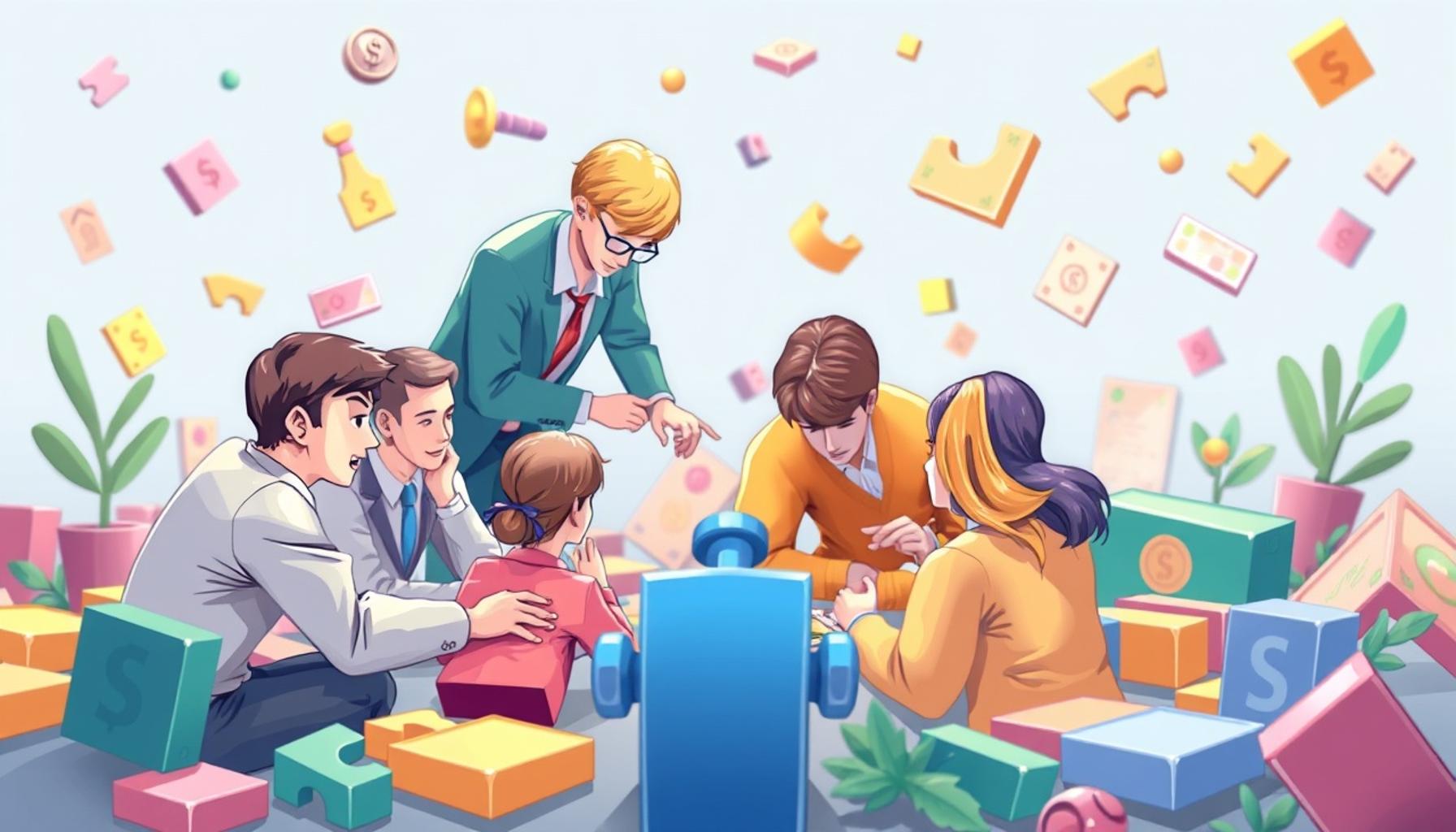
Puzzle games have evolved into more than just a pastime; they are now recognized as significant instruments for fostering vital collaborative problem-solving skills among players. In an age where effective communication and teamwork are critical to success in many fields, these games provide an engaging platform for individuals to enhance their capabilities both individually and collectively.
One of the primary advantages of participating in puzzle games is the promotion of enhanced communication. As players engage with one another, they are required to discuss strategies, articulate their thoughts, and practice active listening. For example, games like “Codenames” prompt players to invent clever clues while interpreting their partners’ responses, reinforcing the importance of clear communication. The necessity to convey ideas clearly in a time-sensitive environment leads to improvements in interpersonal skills that can be transferred into professional settings.
Another notable benefit is teamwork development. Puzzle games often necessitate collaboration to achieve objectives, where success hinges on working as a cohesive unit. For instance, escape rooms require players to combine their unique skills and perspectives to solve intricate puzzles within a limited timeframe. This shared endeavor fosters a sense of unity and accountability, creating bonds that often extend beyond the game itself. Through these shared experiences, team members learn to value diverse contributions, ultimately enhancing their collaborative efforts in real-world situations.
Moreover, puzzle games stimulate critical thinking. Players are frequently faced with complex problems that require analysis and innovative solutions. Games like “Portal” or “The Witness” challenge players to think outside the box, testing their reasoning and creativity. The need to analyze situations and devise effective strategies not only sharpens logical reasoning skills but also encourages players to adopt a growth mindset. This adaptable thinking is increasingly crucial in our fast-paced, ever-changing environment.
As players tackle challenges together, they cultivate relationships that transcend the immediate context of gaming. The emotional and social skills developed during these experiences can significantly benefit various demographics, from corporate teams seeking to improve workplace dynamics to educators using games to enhance student collaboration in classrooms. The innovative use of puzzle games has also captured the attention of psychologists and team-building experts who explore methods to refine teamwork skills across age groups.
The landscape of puzzle gaming in the United States is rich and varied, from the rise of themed escape rooms across major cities to the extensive offerings of online multiplayer puzzle adventures. These settings present players with countless opportunities to engage, learn, and grow together. This article endeavors to illuminate how collaborative problem-solving through these games serves a dual purpose: entertaining participants while simultaneously acting as a vital tool for enhancing communication skills and forging stronger teams.
The Mechanics of Collaborative Problem Solving in Puzzle Games
At the heart of puzzle games lies a captivating blend of challenge and cooperation, fostering an environment where players must actively engage and collaborate. Collaborative problem-solving is at the forefront of these gaming experiences, allowing participants to hone their skills while enjoying the thrill of the game. Through various mechanics, puzzle games emphasize teamwork, communication, and critical thinking, all of which are crucial in today’s collaborative workforce.
One key aspect of puzzle games that encourages teamwork is the division of roles. Each player often brings a unique set of skills and perspectives, which can be strategically leveraged to solve intricate challenges. Games like “Escape Room: The Game” or “Magic Maze” illustrate this well, as they prompt players to assume specific responsibilities, such as overseeing clues or managing time. This division necessitates effective communication, as players must articulate their findings and solicit assistance when needed. The result is a dynamic interchange of ideas that sharpens both verbal and non-verbal communication skills.
Furthermore, the structured nature of puzzle games emphasizes the importance of mutual support and encouragement. Teams must celebrate small victories, fostering a positive atmosphere that promotes collaboration. This positive reinforcement builds trust among team members, making it easier for them to share ideas and take calculated risks. Games that integrate time constraints, such as “The Captain is Dead,” heighten the stakes, forcing teams to quickly develop strategies and collaborate efficiently under pressure. This high-stakes environment can mimic real-world scenarios where quick decision-making and effective teamwork are essential.
To illustrate how puzzle games serve as effective tools for fostering teamwork and communication skills, consider the following benefits:
- Enhanced Collaboration: Players must work together, often brainstorming ideas and synthesizing diverse approaches to arrive at a solution.
- Improved Active Listening: Teams learn to listen attentively to each member, ensuring that all voices are heard and valued.
- Conflict Resolution Skills: With diverse viewpoints, players may face disagreements, allowing them to practice resolving conflicts amicably and productively.
- Goal Orientation: Successful completion of puzzles requires a collective focus on shared goals, instilling a sense of purpose and commitment.
In essence, puzzle games create an interactive environment where players can refine their collaborative problem-solving abilities. By engaging in fun yet challenging scenarios, individuals cultivate essential skills that are transferable to various professional settings, including corporate workplaces, educational institutions, and community projects. The next segment delves deeper into specific games that exemplify these principles, offering insights into their design and impact on team development.
| Advantage | Description |
|---|---|
| Enhanced Communication Skills | Puzzle games promote discussion among players, encouraging them to articulate problems and brainstorm solutions effectively. |
| Teamwork Development | Working collaboratively in solving puzzles helps build trust and improve group dynamics, which are essential for success in team environments. |
| Critical Thinking Enhancement | Players must evaluate various strategies and collaborate on the best approach, promoting deeper problem-solving skills. |
| Conflict Resolution Skills | Engaging in collaborative puzzles teaches players how to navigate disagreements and reach consensus, vital in both personal and professional scenarios. |
| Improved Social Interaction | Puzzle games provide a platform for social bonding, enhancing emotional intelligence and interpersonal relationships through shared achievements. |
Puzzle games not only offer entertainment but also empower players by fostering essential teamwork and communication skills. Through collaborative problem-solving, players engage in meaningful interactions that transcend mere gameplay. Each puzzle presents a unique opportunity for participants to communicate, strategize, and ultimately celebrate their shared accomplishments. This dynamic interaction not only enhances the fun but also instills a sense of collective achievement that can translate into real-life teamwork scenarios. Moreover, the challenges faced while solving complex puzzles serve as an excellent way to develop critical thinking abilities. As players evaluate various strategies in collaboration with peers, they hone their ability to analyze multiple perspectives, which is pivotal for effective problem-solving in diverse settings. As teams work towards common goals, they also encounter various social dynamics, enhancing their capability to navigate conflicts and reach resolutions amicably. Therefore, exploring the realm of puzzle games can unlock significant personal and professional growth while transforming ordinary interactions into extraordinary collaborative experiences. Engage in these games to discover how fun and learning converge in a truly interactive environment.
Game Mechanics that Drive Team Development
The architecture of puzzle games is meticulously engineered to promote collaborative problem-solving, integrating core mechanics that challenge players to communicate effectively and work in harmony. The serenity of teamwork amidst the chaotic thrill of puzzles can be attributed to design elements centered around real-life situations that mirror the dynamics of group settings in various sectors.
One mechanic that exemplifies this is the concept of interactive feedback. Many puzzle games provide instant responses to players’ actions, which invites continuous dialogue and adjustments among team members. Games like “Pandemic” require players to discuss their strategies as they encounter new information, fostering a cycle of feedback that sharpens their decision-making abilities and boosts group synergy. The immediate feedback loop helps participants assess their collective performance, nurturing a reflective practice that is invaluable in any collaborative environment.
Another important mechanic is the emphasis on time-sensitive challenges that often intensify the overall experience. Teams are frequently subjected to ticking clocks, which compel them to act swiftly and decisively while maintaining cohesive communication. This added layer of challenge can simulate pressure scenarios similar to those faced in corporate settings or high-stakes projects, allowing players to practice their ability to manage time constraints while collaborating effectively. Games like “Codenames” leverage this pressure effectively, as players must quickly convey clues while deciphering the team’s strategy, leading to riveting exchanges that illuminate communication strategies.
The puzzle complexity also plays a vital role in developing teamwork. More intricate puzzles often necessitate brainstorming sessions where individual contributions can shine. For instance, “Mysterium,” which combines elements of deduction with collaborative storytelling, requires players to piece together hints based on collective insights. This shared narrative creates deeper social bonds and channels diverse viewpoints to arrive at a shared solution. The variety of skills brought to the table enhances the collaborative experience, teaching players the importance of leveraging each member’s strengths.
Moreover, games that involve role exchange can further foster communication skills and teamwork dynamics. In escalating scenarios, members often switch roles to adapt to evolving challenges. This practice not only allows players to experience different perspectives but also nurtures a greater understanding of each individual’s contributions. With titles like “The Crew,” where players must adapt strategies to achieve mission objectives, role fluidity becomes a core aspect of teamwork, promoting empathetic communication and collaborative strategy formulation.
As players immerse themselves in these mechanics, they are not merely participating in games; they are engaged in a replication of real-world interactions that sharpen their teamwork skills. The conversations generated in these settings often mirror those found in workplaces, educational institutions, and even community organizations. The collective focus on problem-solving in puzzle games lays a robust foundation for effective teamwork and communication skills that resonate well beyond the gaming table.
Through these immersive experiences, puzzle games are redefining what it means to collaborate. By embracing the intrinsic value of teamwork rooted in shared goals and effective communication, players acquire transferable skills that prepare them for various challenges in life beyond the screen. The evolution of these gaming formats continues to captivate audiences, leading to innovations that further empower cooperative strategies in diverse environments.
Conclusion
In an era where teamwork and communication skills are paramount, collaborative problem-solving in puzzle games presents a refreshing avenue for personal and professional development. The intricate mechanics behind these games, designed to foster cooperation and dialogue, highlight their significance as more than mere entertainment. As players navigate through challenges filled with interactive feedback, time-sensitive scenarios, and intricate puzzles, they are inadvertently honing essential life skills that are transferable to various spheres, including workplaces, schools, and communities.
Moreover, the opportunity for role exchange within these challenges promotes a deeper understanding of different perspectives, enhancing empathetic communication among team members. This dynamic mirrors real-world situations where collaboration is key, illustrating how cooperative gameplay can offer valuable insights into effective teamwork.
As puzzle games continue to evolve, they not only captivate audiences but also drive innovations that further enrich cooperative strategies. By engaging with these games, players are equipped with tools to confront complex problems, adapt to changing dynamics, and communicate effectively—all of which are vital in navigating the increasingly interconnected world we live in. The experiences gained through collaborative puzzle solving not only prepare individuals for high-stakes environments but also encourage a culture of collaboration that can thrive beyond the gaming table. In exploring these interactive landscapes, we open the door to new understandings of teamwork, ultimately inspiring a more cohesive and collaborative society.

Beatriz
Beatriz Johnson is a seasoned puzzle enthusiast and writer with a passion for unraveling the complexities of mind games and brain teasers. With over a decade of experience in the world of puzzles, she specializes in topics like logic games, riddles, and strategic challenges. Through her work, Beatriz empowers readers to sharpen their problem-solving skills, think creatively, and stay engaged in the ever-evolving landscape of mind games and puzzles.