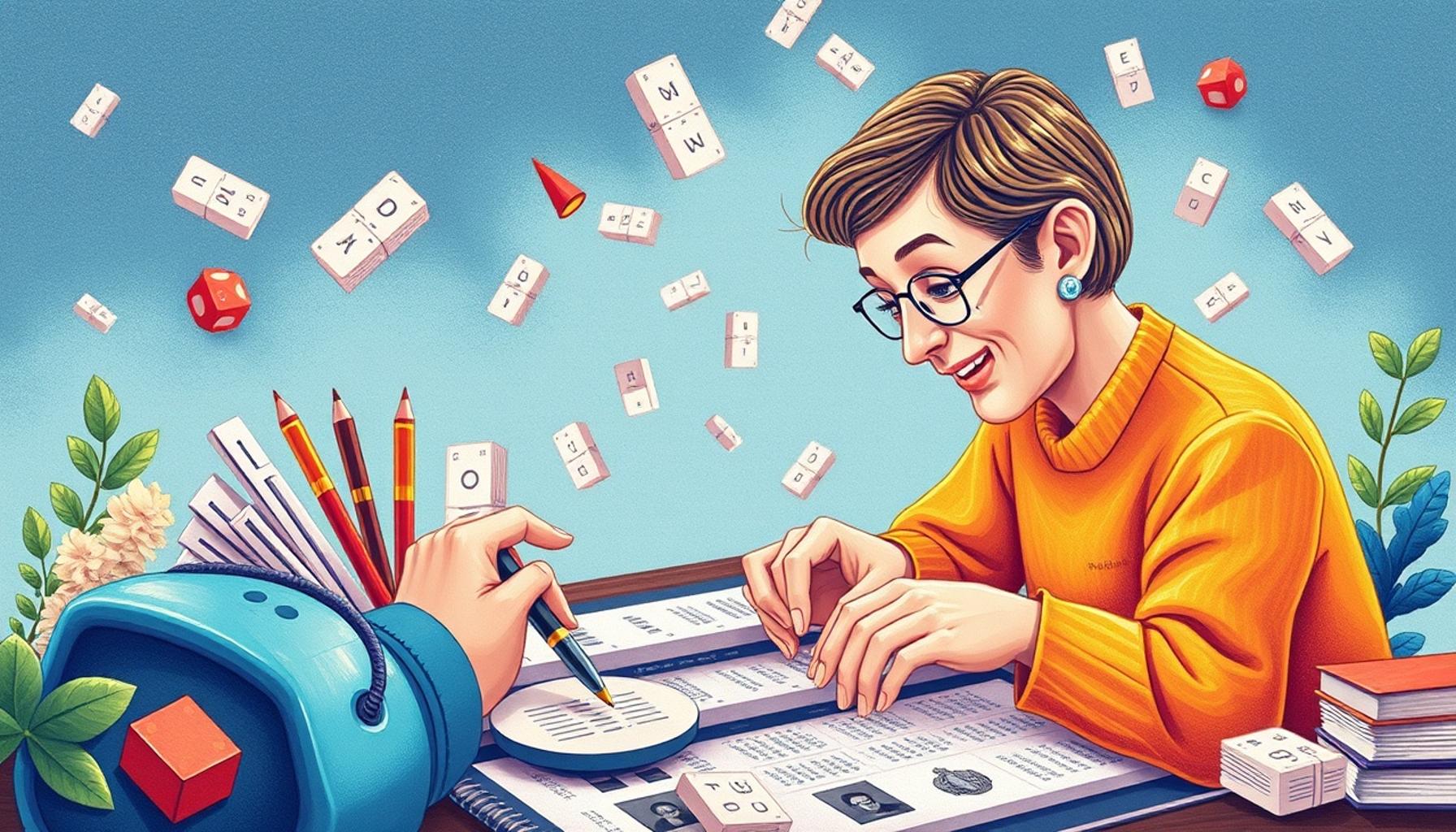
How Cooperative Board Games Can Foster Social and Cognitive Skills in Groups

Unleashing Group Potential Through Play
In today’s fast-paced world, fostering social and cognitive skills is more crucial than ever. In an age dominated by technology, the significance of personal interaction is often overlooked. Cooperative board games provide a unique platform for individuals to bond, strategize, and problem-solve together. Unlike traditional competitive games, these cooperative experiences require players to work as a collective unit, which not only entertains but also challenges them to enhance their interpersonal and mental abilities.
- Social interaction: One of the most striking benefits of cooperative board games is how they promote interaction among players. Through discussions, negotiations, and teamwork, individuals learn to articulate their thoughts and listen to others. This practice often translates into real-world situations, where effective communication is key to success.
- Cognitive development: These games are instrumental in enhancing critical thinking, memory, and decision-making skills. Players must assess situations, predict outcomes, and reflect on the consequences of their choices. For instance, games like Pandemic require players to analyze the board and adapt strategies on the fly, refining their cognitive abilities in a fun and engaging way.
- Emotional intelligence: Participating in cooperative play also nurtures emotional intelligence. Players learn the importance of empathy, patience, and cooperation. These skills are essential in both personal and professional spheres, enabling individuals to connect better with others and resolve conflicts amicably.
Examples of popular cooperative board games include:
- Pandemic: In this enthralling game, teamwork is essential to cure diseases and save the world, as players assume the roles of specialists like the medic or researcher, working together to halt outbreaks before they spiral out of control.
- Forbidden Island: Teams embark on an adventure to escape from a sinking island, collecting treasures while managing the rising waters. This game encourages players to strategize together, weighing risks and rewards as they navigate the inevitable sinking.
- Ghost Stories: Players unite as Taoist monks protecting a village from ghostly invaders, requiring intricate strategies and resource management to fend off increasingly challenging spirits.
These games are not just a source of joy; they serve as a training ground for vital skills. As groups navigate challenges and celebrate victories, they cultivate a sense of community and shared purpose. The collaborative nature of these games fosters an inclusive environment where everyone has a role and feels valued. In recent years, there has been a surge in interest in such games across the United States, with communities hosting game nights that attract a diverse audience, reinforcing social bonds.
Join us as we explore how these engaging activities can transform social dynamics and cognitive capabilities, shaping not only the way we play but also how we interact with the world around us.
The Dynamics of Collaboration
Cooperative board games are designed to achieve a common objective, enabling players to engage in an intricate dance of collaboration. The very essence of these games lies in their ability to foster teamwork, as members must pool their skills and knowledge to succeed. This synergy is crucial for developing a sense of community among participants. When players work together toward common goals, they build trust and camaraderie, which are vital ingredients for any successful group dynamic.
One of the most transformative aspects of cooperative board games is their ability to enhance social skills. Players are encouraged to communicate openly, share ideas, and negotiate strategies. As they navigate complex game mechanics, they learn to respect diverse perspectives and appreciate the contributions of each member, creating an inclusive environment. This collaborative approach teaches individuals how to convey their thoughts effectively while also actively listening to their peers—skills that extend beyond the gaming table and into everyday interactions.
The power of cooperative board games to cultivate negotiation skills is particularly noteworthy. Games such as Betrayal at House on the Hill challenge players to discuss plans, forge alliances, and sometimes make sacrifices for the greater good. In these scenarios, individuals practice compromise and conflict resolution, as they grapple with differing priorities and must reach consensus on their next moves. These experiences can empower participants to tackle real-world negotiations, equipping them with the confidence and skills necessary for success in various situations.
Additionally, cooperative board games are rich grounds for cognitive skill development. These games often involve complex problem-solving, requiring players to critically analyze scenarios, predict outcomes, and adjust strategies based on real-time feedback. For example, in the popular game Forbidden Desert, players must collaborate to dig through sand, repair a flying machine, and escape before the sun beats them down. This requires not only joint effort but also collective problem-solving—where each player’s insights contribute to the larger strategy for success.
Furthermore, the nature of these games compels individuals to think critically and anticipate the consequences of their actions, honing decision-making skills in the process. Participants become adept at weighing risks and rewards, evaluating multiple courses of action, and employing creativity to overcome obstacles. A study has shown that these types of cognitive challenges are associated with improved brain function, significantly benefiting players outside the gaming realm.
- Communication Skills: Improved articulation of ideas and active listening during gameplay.
- Teamwork: Encouraging collaboration as players come together to devise strategies.
- Decision-Making: Developing critical thinking and prioritization through in-game challenges.
- Conflict Resolution: Cultivating negotiation skills while addressing differing viewpoints.
The multifaceted benefits of cooperative board games extend beyond mere entertainment. They unite players in a shared mission, creating opportunities for meaningful interaction while developing skills that are essential for personal and professional growth. As societies increasingly value collaboration and empathy, these games emerge as powerful allies in shaping the next generation of communicators and problem-solvers.
Exploring the Multifaceted Benefits of Cooperative Board Games
Cooperative board games are more than just a source of entertainment; they serve critical roles in promoting social interaction and cognitive development. By bringing players together to achieve common goals, these games naturally encourage teamwork, communication, and problem-solving skills. When players collaborate to overcome challenges, they learn to listen to diverse perspectives, negotiate strategies, and build empathy. Moreover, cooperative board games integrate complex problem-solving scenarios that enhance cognitive skills. For instance, games that require strategic planning and resource management stimulate critical thinking and decision-making capabilities. Children and adults alike experience growth in these domains while engaging in a fun and interactive environment.Research shows that players involved in cooperative gameplay attributes report higher levels of confidence and social satisfaction. This not only lays the groundwork for stronger interpersonal relationships but also fosters emotional intelligence. In settings ranging from classrooms to family gatherings, cooperative board games have proven to be an effective bridge for social bonding among participants.In many ways, the mechanics of these games echo real-life challenges, teaching players valuable lessons in cooperation that extend beyond the game board. The shared successes and failures create memorable experiences, further solidifying the social fabric among players. As interest in these interactive tools grows, there is an increased recognition of their potential in therapeutic settings, educational environments, and community programs.At a time when technology often isolates individuals, turning to cooperative board games reintroduces the essence of camaraderie, paving the way for stronger social and cognitive skills that are invaluable in today’s interconnected world. Discover how to incorporate these dynamic games into your group activities to reap these benefits and foster a more collaborative spirit.
| Category | Advantages |
|---|---|
| Team Collaboration | Promotes listening and negotiation skills among players. |
| Cognitive Skill Development | Enhances critical thinking and strategic planning abilities. |
The insights drawn from cooperative board games underscore their significance in enhancing social cohesiveness and cognitive growth. As you delve deeper, consider how these strengths can be effectively harnessed to enrich group dynamics and personal development.
The Bridge Between Play and Life Skills
As players navigate the intricate narratives of cooperative board games, they are not just forging virtual alliances; they are honing critical life skills that resonate in their everyday activities. For instance, playing games like Pandemic, where teams must work together to stop the spread of diseases across the world, mirrors real-world scenarios that require quick thinking, adaptability, and emotional intelligence. This simulation encourages heightened situational awareness, enabling players to become more adept at identifying issues and responding proactively in their daily lives.
Empathy is another vital skill that emerges through cooperative gaming. As players face challenges together, they must often step into one another’s shoes to understand different viewpoints and emotional responses. This development of empathy fosters deeper connections and allows individuals to engage with others more effectively—an essential aspect in diverse environments such as workplaces and community settings. A 2020 study from the Journal of Social Psychology indicated that regular participation in cooperative games significantly increased players’ ability to empathize with others, contributing to improved interpersonal relationships.
Moreover, the immersive narratives within many cooperative board games provide a rich context for players to explore cultural competencies. Games like Compass Challenge encourage players to solve problems influenced by various cultural factors, promoting an understanding of inclusiveness and cultural diversity. As players interact with layers of storytelling that involve different backgrounds and experiences, they learn to appreciate the importance of inclusivity and collaboration in a globalized society.
Research also highlights the role of cooperative board games in fostering leadership skills. While participating in these games, individuals may take turns leading strategies or making key decisions. This opportunity not only cultivates confidence but also encourages self-awareness; players begin to recognize their leadership styles and how those styles impact group dynamics. According to a study published in the Journal of Leadership Studies, individuals who engage in group-based decision-making scenarios, such as cooperative games, report improved confidence in their leadership capabilities and enhanced ability to motivate others.
- Emotional Intelligence: Enhancing the ability to recognize and manage one’s emotions and those of others through team interactions.
- Cultural Competence: Gaining knowledge of and sensitivity to various cultural dynamics, crucial in today’s diverse landscape.
- Leadership Development: Building confidence and self-awareness in leading teams, impacting both personal and professional realms.
- Empathy Building: Tapping into emotional understanding among players, promoting stronger relationships.
The interconnectedness of social and cognitive skills manifesting through cooperative board games illustrates how play can be both enjoyable and formative. These games serve as a microcosm of the real world, preparing players for the complexities of life by enhancing essential skills that facilitate collaboration and understanding within groups. As interest in cooperative gaming flourishes, so does the recognition of their profound benefits, marking them as essential tools for fostering personal growth and social cohesion in an increasingly interconnected society.
Empowering Connections Through Cooperative Play
In conclusion, the engaging realm of cooperative board games transcends mere entertainment, evolving into a powerful platform for enhancing social and cognitive skills within groups. These games, such as Pandemic and Compass Challenge, create immersive environments where players collaborate to overcome obstacles, fostering essential attributes such as empathy, leadership, and cultural competence. The rigorous teamwork required in these settings not only nurtures friendships but also builds vital life skills that mirror real-world situations.
Beyond simply being a bonding experience, cooperative gaming serves as a practical exercise in emotional intelligence. As players learn to navigate each other’s feelings and strategies, they hone their ability to communicate effectively and adapt to diverse perspectives. This skill set is increasingly important in our interconnected society, where teamwork and understanding are paramount in both personal and professional contexts.
Moreover, research indicates that these games actively contribute to increased confidence and self-awareness in leadership roles, further amplifying their impact on personal growth. Players gain insight into their leadership styles and how they influence group dynamics, which can translate into success beyond the gaming table.
As awareness of the benefits of cooperative board games continues to grow, they emerge as invaluable tools for fostering social cohesion and personal development. Encouraging groups to engage in these collaborative experiences can lead to enriched relationships and a deeper understanding of each other, ultimately cultivating a stronger, more empathetic community. For anyone looking to weave an enriching blend of fun and skill-building into their social interactions, cooperative board games offer a compelling invitation to participate. Discover the transformative potential waiting on your game shelf and explore how play can lead to profound social and cognitive advancements.

Beatriz
Beatriz Johnson is a seasoned puzzle enthusiast and writer with a passion for unraveling the complexities of mind games and brain teasers. With over a decade of experience in the world of puzzles, she specializes in topics like logic games, riddles, and strategic challenges. Through her work, Beatriz empowers readers to sharpen their problem-solving skills, think creatively, and stay engaged in the ever-evolving landscape of mind games and puzzles.