Menu

The Impact of Chess on Cognitive Development and Critical Thinking

Chess is a powerful tool for enhancing cognitive development and critical thinking in children. It improves problem-solving skills, boosts memory, and fosters decision-making. Engaging in chess cultivates concentration and creativity, preparing young minds for academic and real-life challenges while promoting collaboration and emotional intelligence through social interactions.

Puzzle Apps: Leveraging Technology to Enhance Critical Thinking and Problem-Solving Skills

Puzzle apps provide engaging entertainment while enhancing critical thinking and problem-solving skills. These accessible platforms boost memory, focus, and logical reasoning through interactive gameplay. By combining fun and cognitive challenges, puzzle apps foster creativity and collaboration, making them invaluable tools for mental development in today’s digital landscape.

Crossword Puzzles and Vocabulary: Enhancing Critical Thinking through Language Challenges

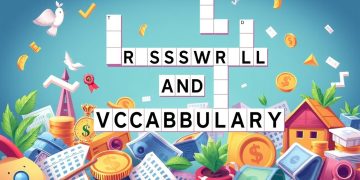
Crossword puzzles enhance vocabulary and critical thinking by engaging players in cognitive exercises that stimulate active recall and problem-solving. These language challenges promote linguistic proficiency, cultural awareness, and social interaction, making solving crosswords a valuable tool for lifelong learning and cognitive development. Embrace this engaging activity to enrich your language skills.

The Power of Sudoku: Cultivating Critical Thinking through Number Puzzles

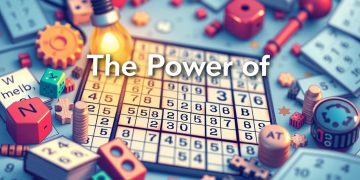
Sudoku transcends entertainment, serving as a powerful tool for cultivating critical thinking and cognitive skills. Engaging with number puzzles enhances problem-solving abilities, concentration, and cognitive flexibility. As individuals tackle diverse challenges, they not only sharpen their minds but also foster resilience and community through collaborative play.

Mind Games: How Strategy-Based Games Foster Analytical Thinking

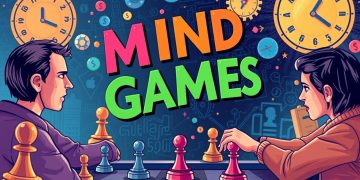
Strategy-based games provide an engaging way to enhance analytical thinking skills. By challenging players to solve complex problems, make strategic decisions, and collaborate with others, these mind games cultivate cognitive abilities essential for success in personal and professional settings, promoting resilience and critical thinking in a fast-paced world.

The Intersection of Video Games and Critical Thinking: How Gameplay Challenges Enhance Decision-Making Skills

Video games have evolved into powerful tools for enhancing critical thinking and decision-making skills. Through strategic problem-solving, adaptive thinking, and collaborative gameplay, players develop essential cognitive abilities. This intersection of gaming and education offers innovative opportunities for personal growth and professional development in today's complex world.

Exploring Brain Teasers: Unlocking Creativity through Critical Thinking

Brain teasers enhance cognitive development by fostering critical thinking, creativity, and problem-solving skills. Engaging with these puzzles improves memory, focus, and collaboration, making them valuable tools in education and professional settings. They encourage innovative thought, resilience, and social connections, paving the way for a more agile mindset in today's complex world.


The Psychology of Problem Solving in Mind Games: How Puzzles Enhance Cognitive Skills

Engaging in mind games and puzzles significantly enhances cognitive skills by improving critical thinking, creativity, and memory retention. These activities stimulate various brain areas, fostering analytical and emotional intelligence while promoting mental health. Suitable for all ages, mind games not only sharpen problem-solving abilities but also strengthen social connections.

The Role of Strategy in Solving Complex Puzzles: Techniques and Approaches

Explore the essential role of strategy in solving complex puzzles, from crosswords to escape rooms. Effective techniques such as problem decomposition, iterative testing, and collaborative brainstorming enhance critical thinking and problem-solving skills. Adaptable approaches lead to quicker resolutions and deeper cognitive engagement, enriching the overall puzzling experience.

The Evolution of Puzzle Design: How Modern Mind Games Challenge Traditional Problem Solving Techniques

Puzzle design has evolved significantly, blending technology and psychology to create engaging modern mind games. These innovations challenge traditional problem-solving techniques, enhancing cognitive abilities and fostering collaboration. As puzzles become more interactive and multidimensional, they reshape our understanding of learning, critical thinking, and social interaction in today's fast-paced world.